

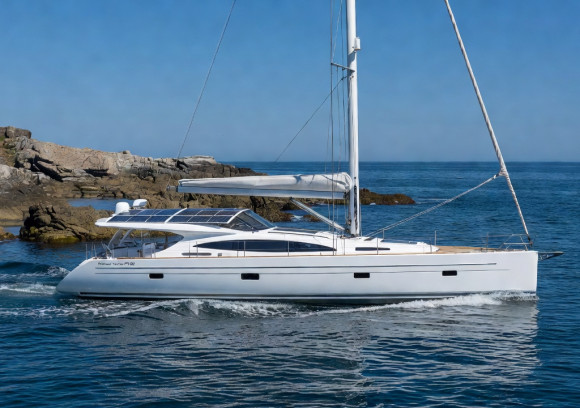
Autonomous Solar-Electric Cruising
Embracing Independent Coastal Travel
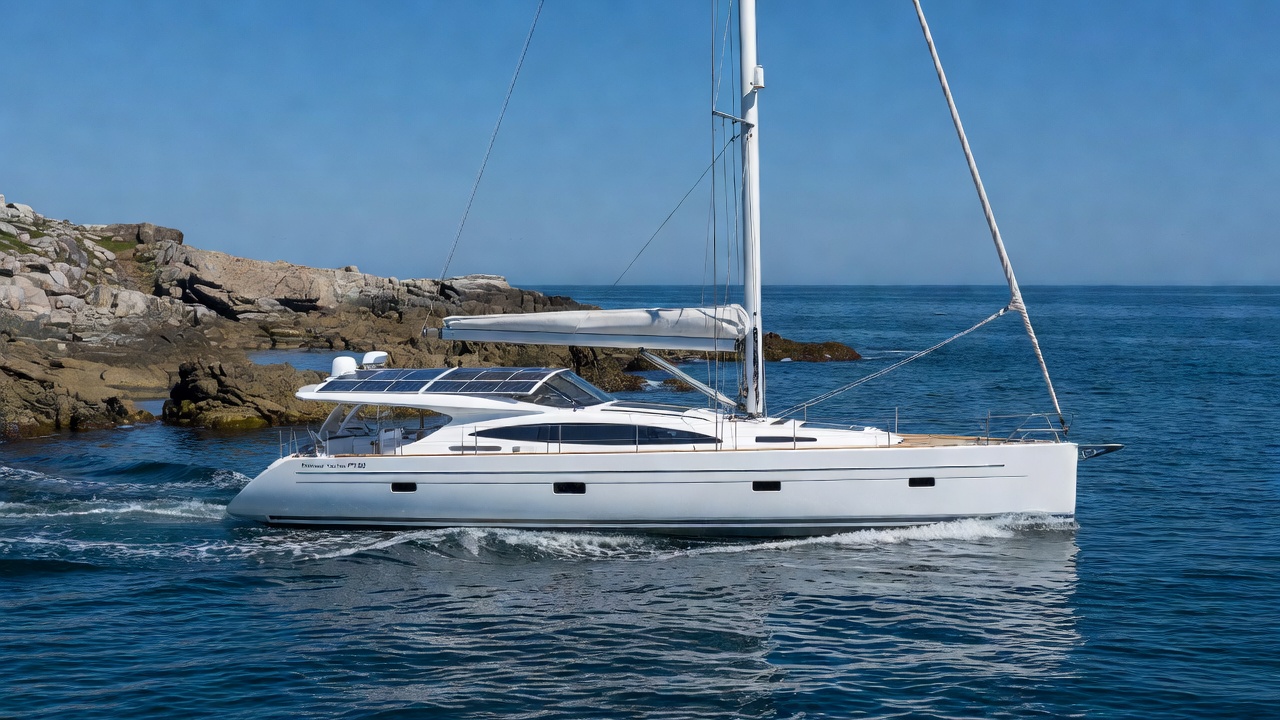
The maritime world continues to shift toward sustainable solutions that reduce environmental impact while enhancing owner control. In 2026 the Pioneer Yachts PY60 stands out as a practical example of this direction. Its design merges extensive solar capacity with responsive artificial intelligence to support longer periods at sea without conventional fuel stops.
Coastal routes offer ideal testing grounds for these systems. Protected waters allow operators to fine-tune performance before venturing farther. The PY60 responds to changing conditions through automated adjustments that maintain steady progress and energy balance.
Core Technology Behind the PY60
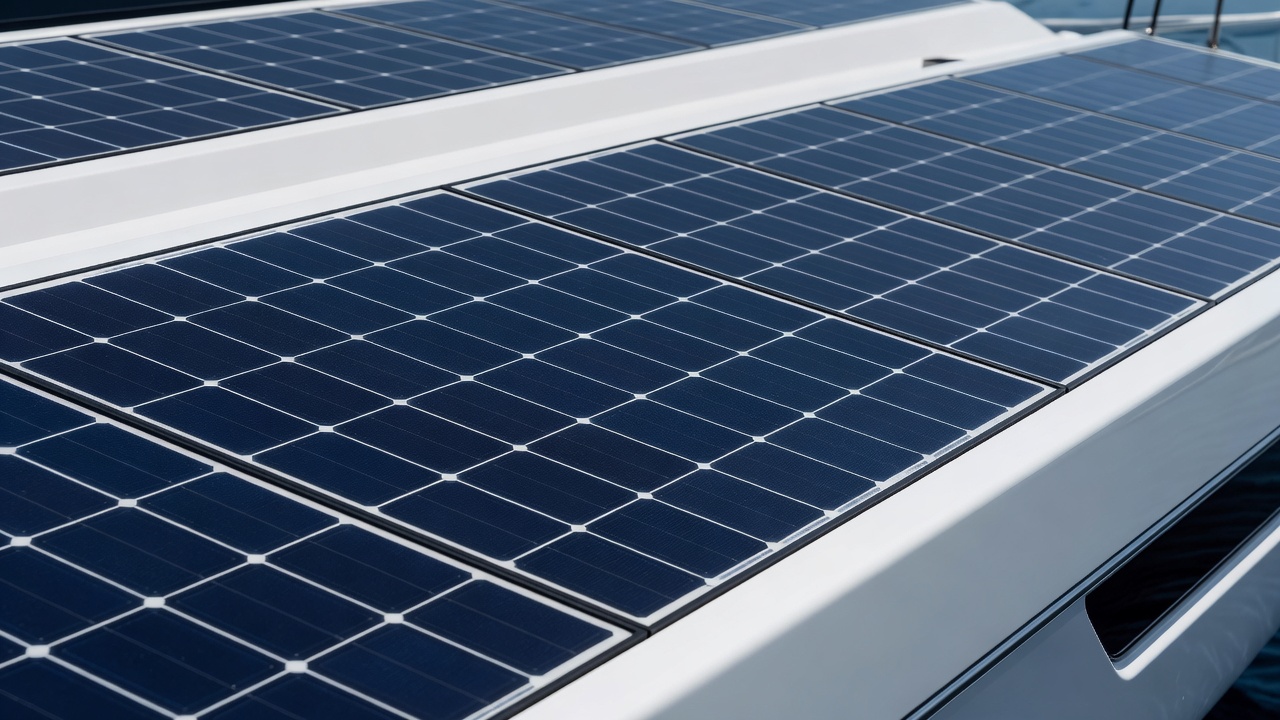
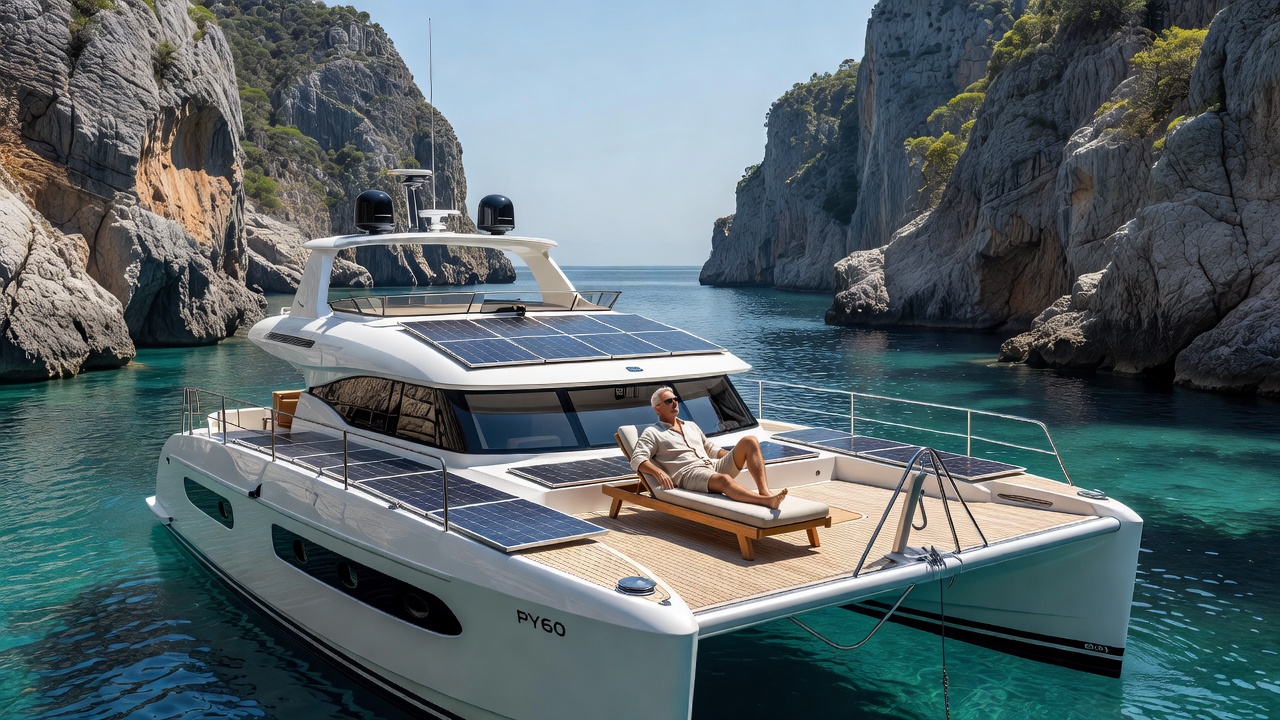
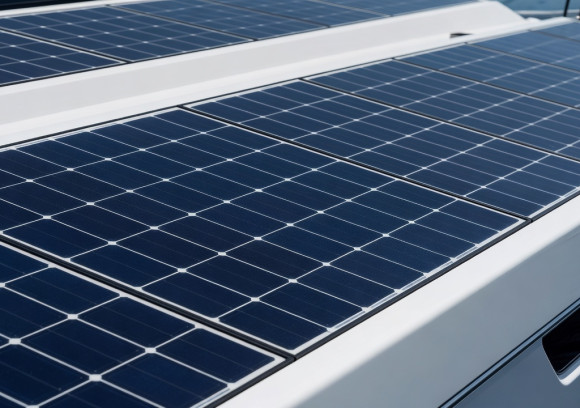
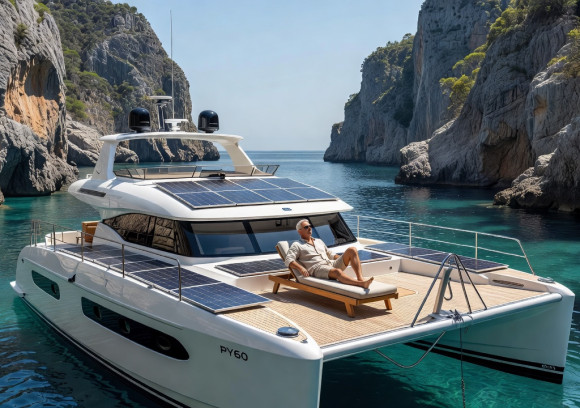
At the foundation lies a comprehensive solar installation that covers nearly every available surface. These panels feed directly into high-capacity battery banks designed for daily cycling. Power management software monitors input and consumption in real time, directing energy where it is needed most.
Propulsion comes from efficient electric motors that deliver smooth torque across a wide speed range. This setup eliminates the noise and vibration associated with diesel engines, creating a quieter onboard environment. Maintenance requirements drop significantly because fewer moving parts are involved.
Smart Navigation Integration
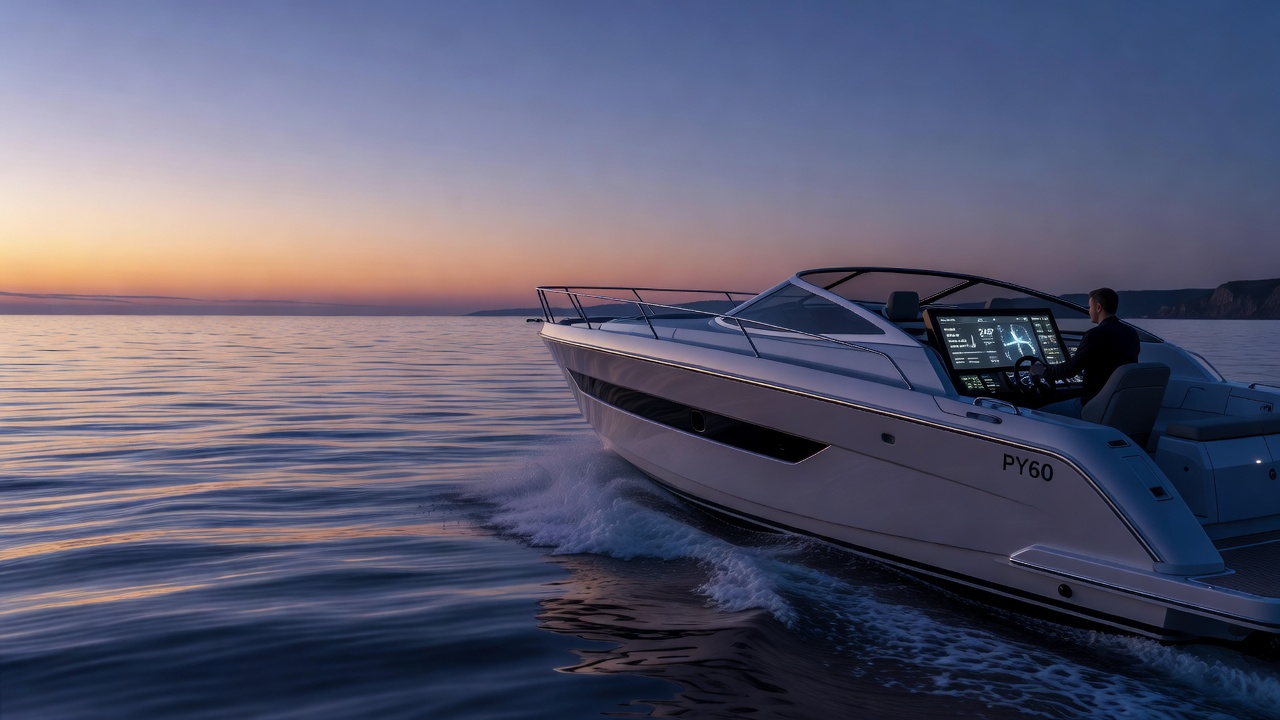
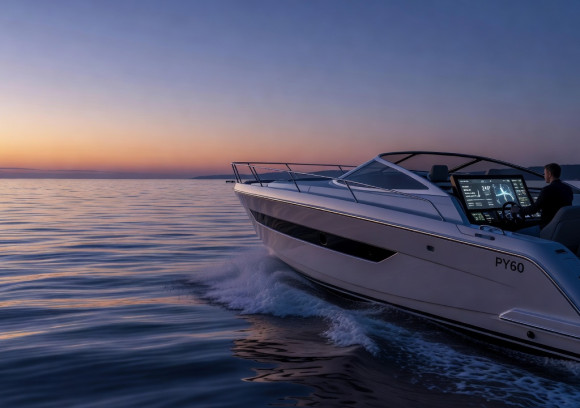
The vessel incorporates an AI-driven navigation suite that processes weather data, tidal information, and route options continuously. Operators set broad parameters such as destination and preferred arrival window, after which the system proposes optimized paths. Safety overrides remain available at all times, ensuring human oversight never disappears.
Collision avoidance algorithms scan surrounding traffic and adjust course proactively. This feature proves especially useful in busy shipping lanes near popular coastal destinations. Over time the AI learns typical patterns for a given route and refines its suggestions accordingly.
Daily Operation for Owner-Operators
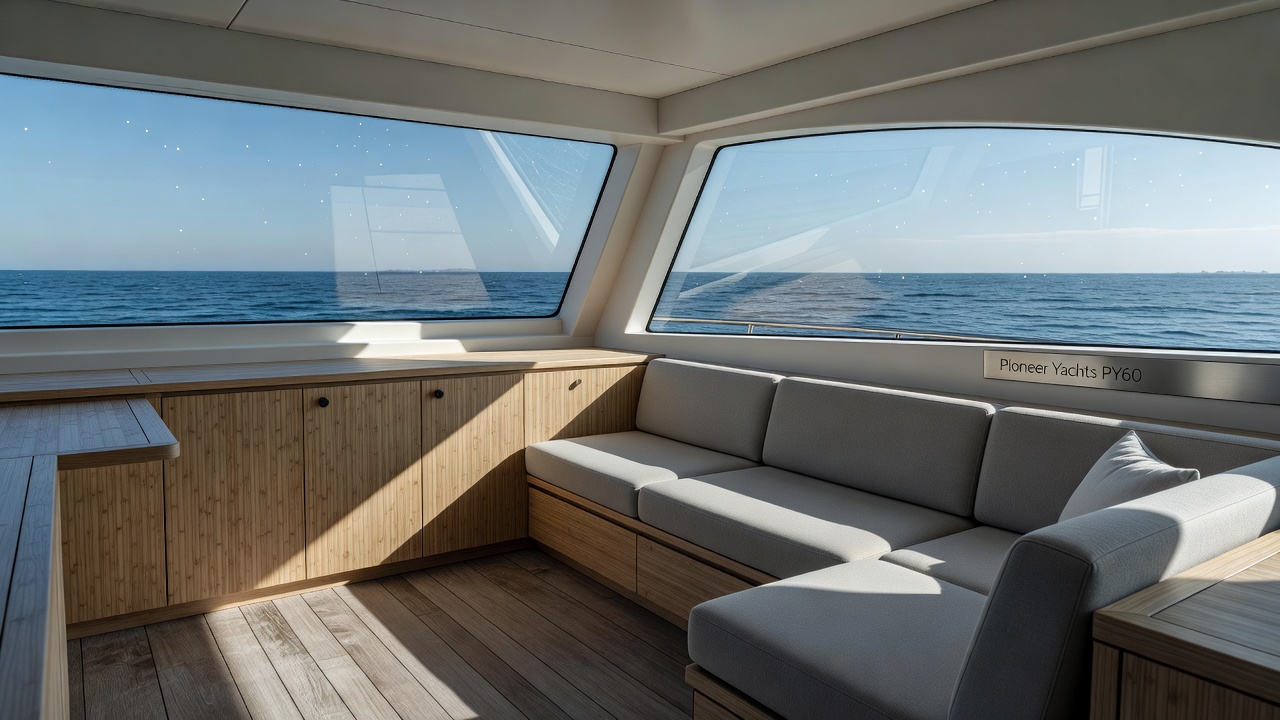
Many owners appreciate the reduced workload during passages. Routine tasks such as monitoring fuel levels or engine temperatures give way to simpler checks on battery state and solar output. The interface presents information clearly on large displays that can be viewed from the helm or salon.
Provisioning becomes more straightforward when ports of call are chosen for convenience rather than fuel availability. Fresh water generation and waste management systems work in harmony with the electric architecture to support extended stays at anchor.
Performance in Varied Conditions
Coastal weather can change quickly, yet the PY60 maintains consistent energy production even under partial cloud cover. Supplemental charging options exist for periods of low sunlight, though most operators find solar sufficient for typical daily distances. Speed profiles remain flexible, allowing faster transits when conditions permit or slower, more economical cruising when desired.
Stability inherent to the catamaran platform further aids efficiency. Reduced rolling motion keeps solar surfaces optimally angled and protects sensitive electronics from excessive movement.
Environmental and Practical Advantages
Fuel-free operation lowers both operating costs and emissions. Owners report noticeable savings over a season of coastal exploration. The absence of diesel also removes concerns about fuel quality, spills, and storage degradation during long periods of inactivity.
Quiet electric propulsion encourages more time on the water. Marine life appears less disturbed, and conversations on deck remain undisturbed by engine noise. These qualities align with growing interest in low-impact travel among experienced cruisers.
Looking Ahead for Solar-Electric Designs
The PY60 represents a milestone rather than an endpoint. Future iterations will likely incorporate even denser solar materials and more sophisticated predictive algorithms. For now, the current model already delivers reliable autonomous coastal capability to owner-operators ready to adopt the technology.
Interest continues to grow as more vessels demonstrate consistent results across different regions. The combination of abundant solar input and intelligent routing opens new possibilities for self-sufficient voyages that respect both the environment and the operator’s time.


