

Montenegro and the Non-EU VAT Loophole
Why Location Matters for Charter VAT
Planning a Mediterranean yacht charter involves more than choosing the right vessel and itinerary. The starting and ending ports directly influence the tax obligations that apply. Montenegro and Albania sit outside the European Union, creating opportunities for brokers to structure voyages that begin or conclude in these locations.
Many clients appreciate the flexibility this provides while remaining fully compliant with international regulations. The approach requires careful coordination between charter companies, local agents, and legal advisors.
Understanding the VAT Landscape Across the Region
Countries such as Italy, France, and Spain apply VAT rates above twenty percent on charter services when the voyage occurs within their territorial waters. These charges can significantly increase the overall cost for longer trips. Montenegro and Albania do not impose the same EU VAT rules on charters that start or finish in their ports.
This distinction allows the portion of the journey outside EU waters to avoid the additional tax layer. Brokers often map routes that maximize time in non-EU zones while still delivering the desired Mediterranean experience.
Practical Routing Examples
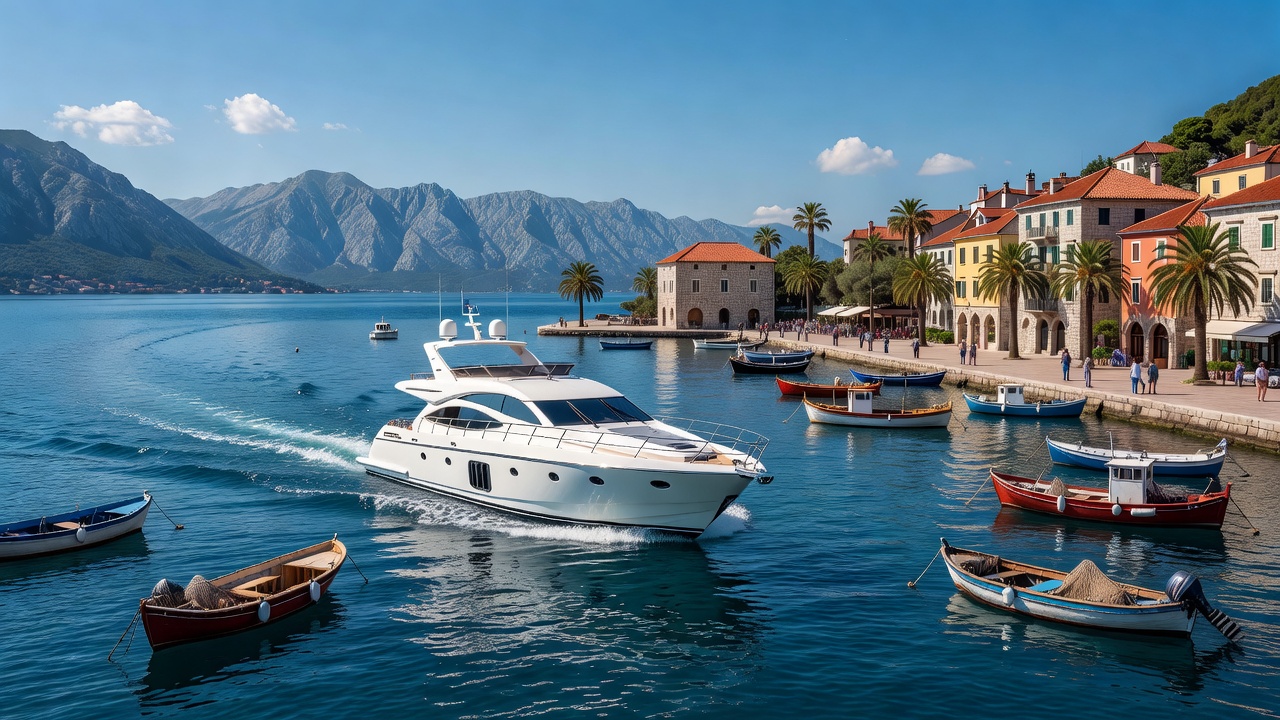
A common pattern involves guests flying into Tivat or Podgorica, boarding in Porto Montenegro, and sailing south toward Albania before returning. Another option starts in Bar and heads toward the Greek islands with a final disembarkation back in Montenegro. Each route is documented to show the non-EU segments clearly.
Albanian ports like Saranda offer similar advantages and pair well with southern Montenegrin itineraries. The short distances between these locations make them convenient for both one-way and round-trip charters.
Legal and Documentation Considerations
Proper paperwork remains essential. Charter contracts must specify the exact ports of embarkation and disembarkation. Customs declarations and crew lists need to reflect the non-EU status of the starting or ending location. Professional brokers maintain relationships with local authorities to ensure smooth clearance procedures.
Insurance policies and yacht registration documents should also align with the chosen routing. Clients receive detailed briefings before departure so everyone understands the structure of the voyage.
Benefits for Different Vessel Types
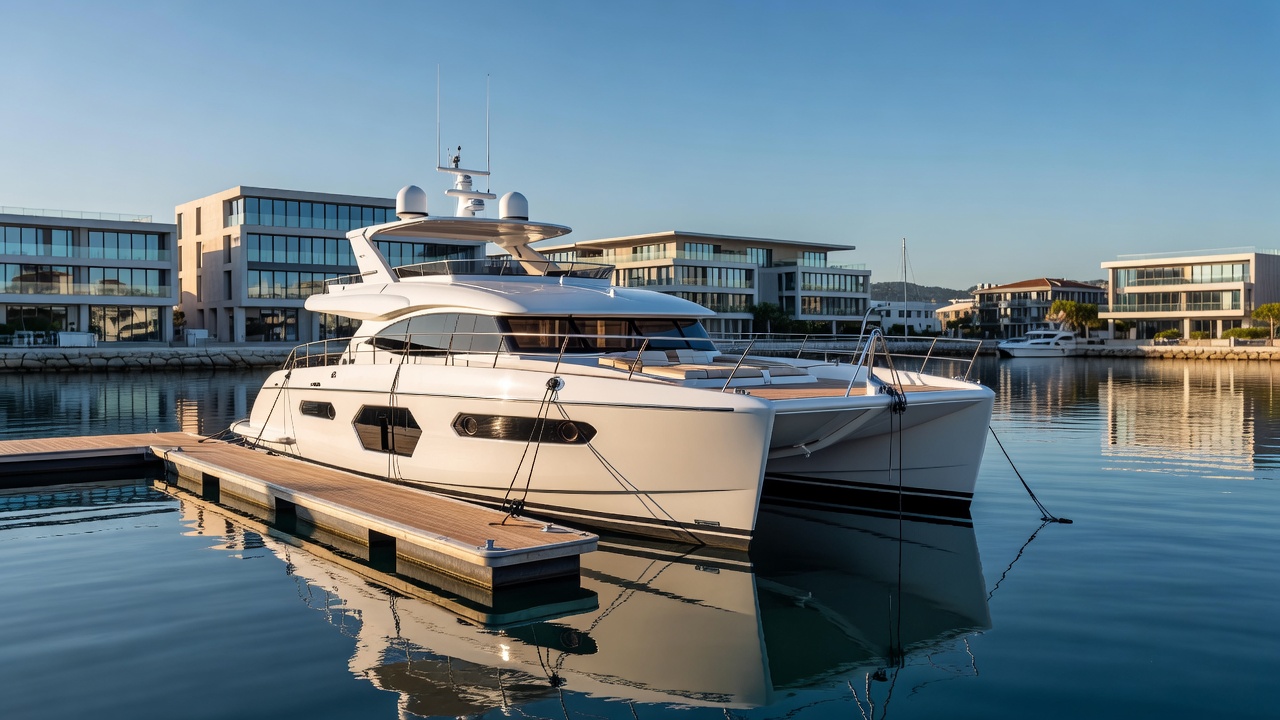
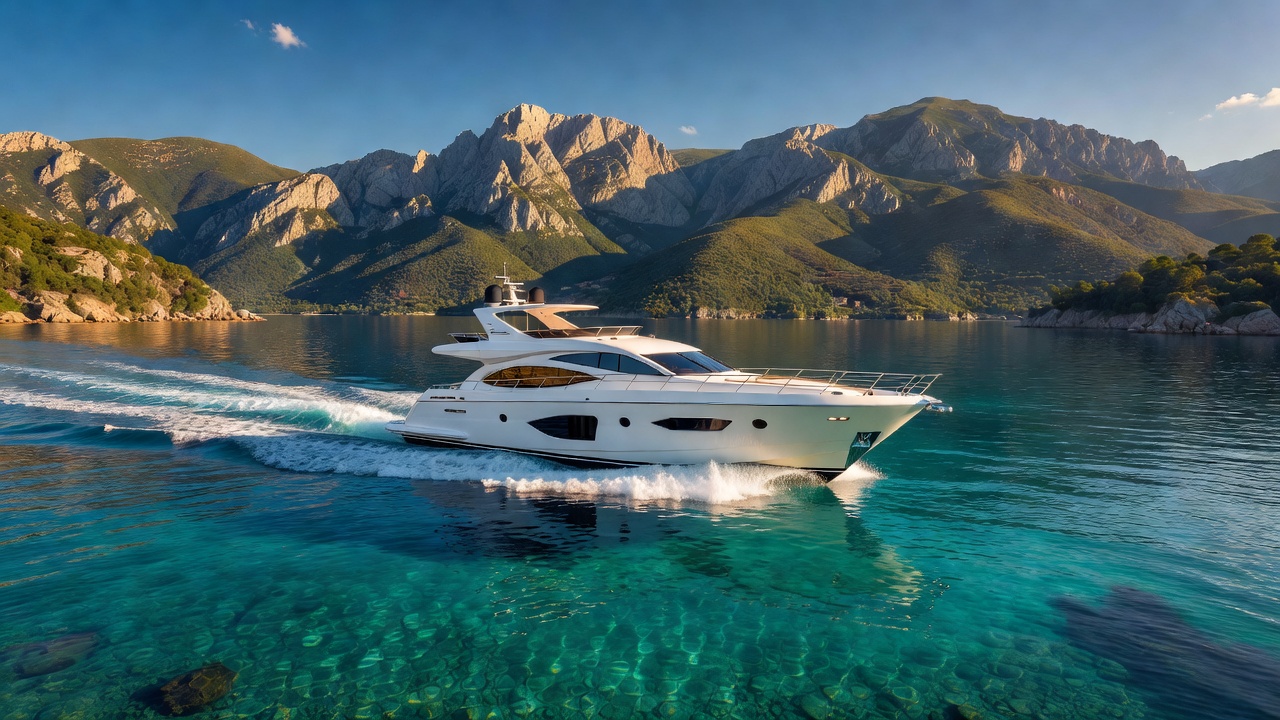
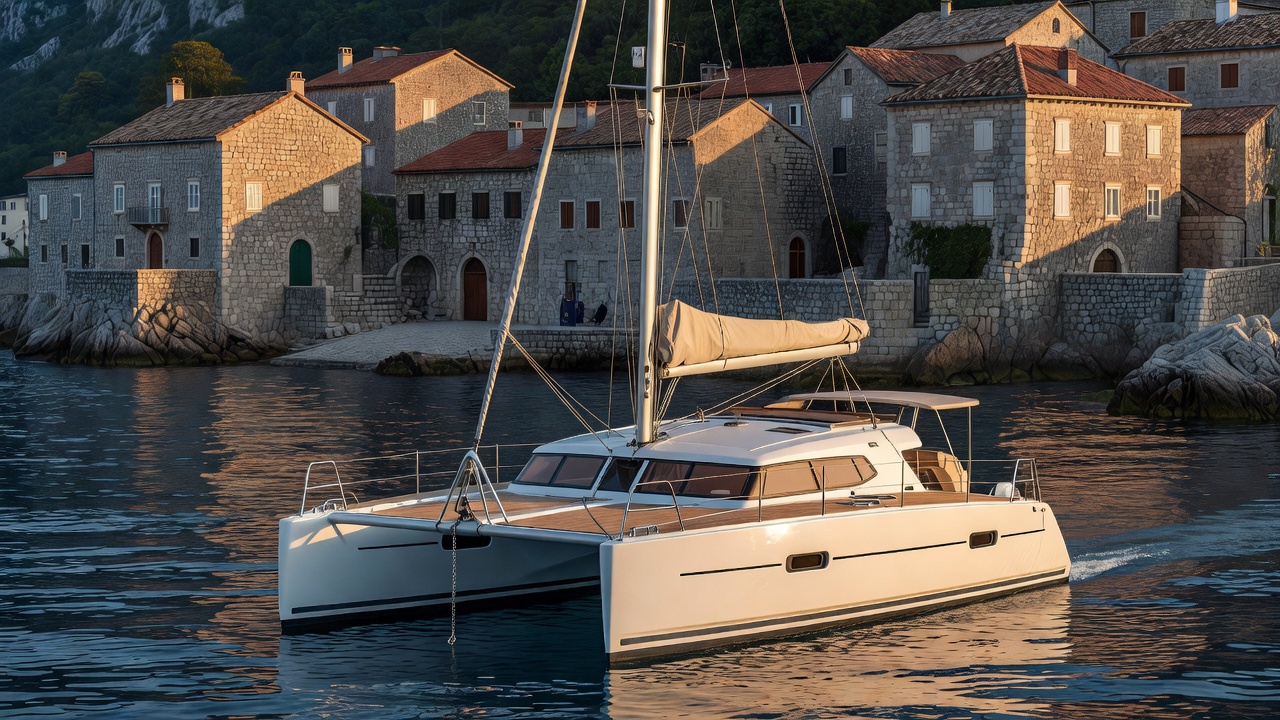
Catamarans benefit particularly well from these routes because of their shallow draft and ability to access smaller anchorages along the Montenegrin and Albanian coasts. Larger motor yachts can utilize the deeper marinas in Tivat and Bar while still taking advantage of the tax positioning. Both vessel categories see strong demand for these strategically planned charters.
Working with Experienced Brokers
Seasoned charter brokers understand the nuances of cross-border Mediterranean voyages. They coordinate with local operators in Montenegro and Albania to secure berths, arrange provisioning, and handle any necessary permits. This expertise helps avoid last-minute complications that could affect the overall experience.
Clients who value both luxury and fiscal efficiency often request these routes when planning their 2026 seasons. The combination of scenic beauty and thoughtful logistics creates memorable voyages without unnecessary tax overhead.
Looking Ahead to 2026 Charters
As demand grows for Mediterranean experiences, Montenegro and Albania continue to develop their marina infrastructure. New facilities and improved air connections make these ports increasingly attractive as charter bases. Brokers who stay current with local regulations can offer clients reliable options that balance enjoyment with compliance.
Early planning allows the best selection of vessels and dates. Those interested in exploring these routes should consult with specialists familiar with the current requirements for non-EU charter structuring.

