The Ultimate Yacht Cost Breakdown
Initial Acquisition and Hidden Fees
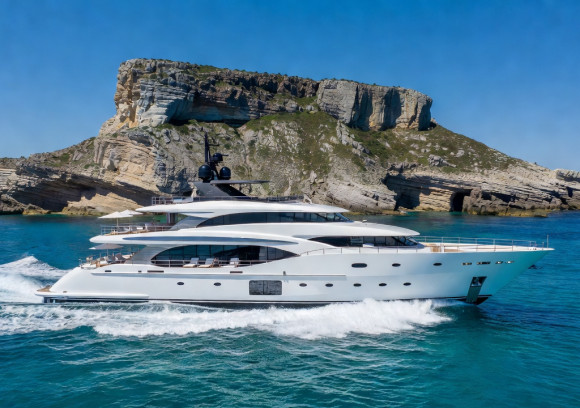
Acquiring a 100-meter-plus yacht starts with a base price often exceeding 200 million euros, yet that figure only scratches the surface. Buyers must account for taxes, registration, and initial outfitting that can add another 15 to 20 percent. Custom interiors, advanced navigation systems, and stabilization technology push totals higher still.
Financing arrangements for such vessels typically involve specialized marine lenders who require substantial down payments and strict repayment schedules. Legal consultations for international ownership structures add further layers of cost before the vessel even leaves the shipyard.
Crew Salaries and Onboard Living
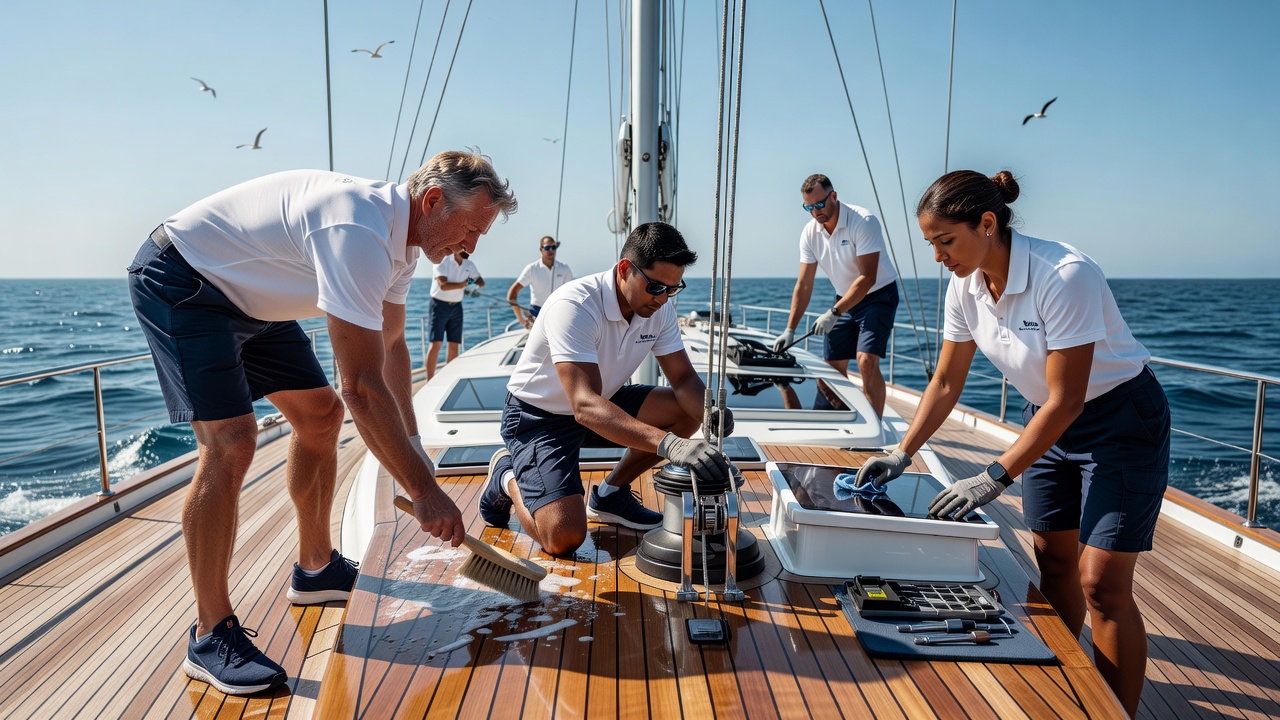
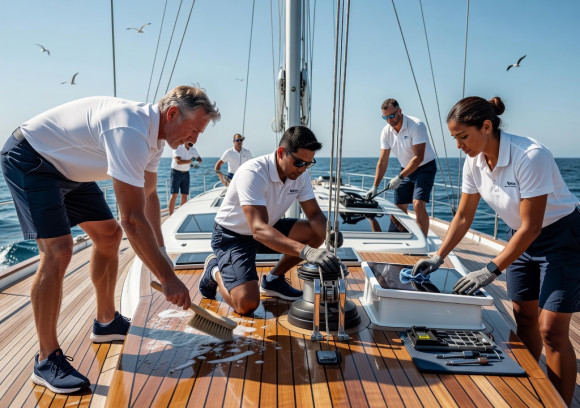
A full crew for a 100-meter yacht usually numbers between 25 and 35 professionals. Captains command salaries above 200,000 euros annually, while officers and engineers earn between 80,000 and 150,000 euros each. Hospitality staff and deckhands fill out the roster at lower but still significant rates.
Beyond wages, crew benefits include health insurance, travel allowances, and rotation schedules that require replacement personnel. Onboard accommodation, meals, and training programs contribute thousands more each month to operational overhead.
Food, Uniforms, and Training
Provisioning for a large crew and occasional guests demands careful budgeting. Uniforms must meet strict appearance standards and are replaced seasonally. Ongoing certifications in safety, engineering, and hospitality keep the team current with regulations.
Fuel Consumption and Itinerary Planning
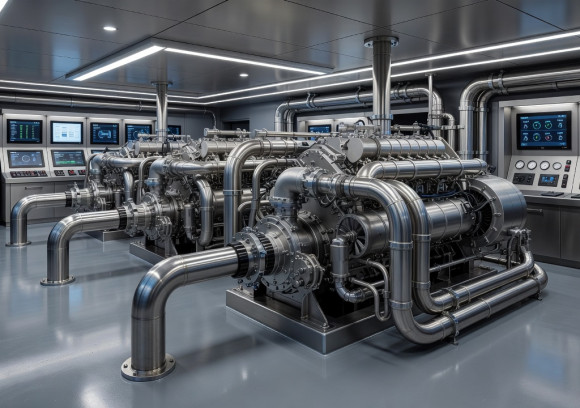
Modern 100-meter yachts burn between 300 and 600 liters of marine fuel per hour at cruising speeds. A typical Mediterranean season of 1,200 engine hours can therefore exceed 500,000 euros in fuel alone. Longer transatlantic passages multiply these figures dramatically.
Route optimization software helps captains reduce consumption, yet weather delays and guest preferences often override efficiency. Fuel price volatility remains a constant concern for budget forecasting.
Maintenance, Repairs, and Dry-Docking
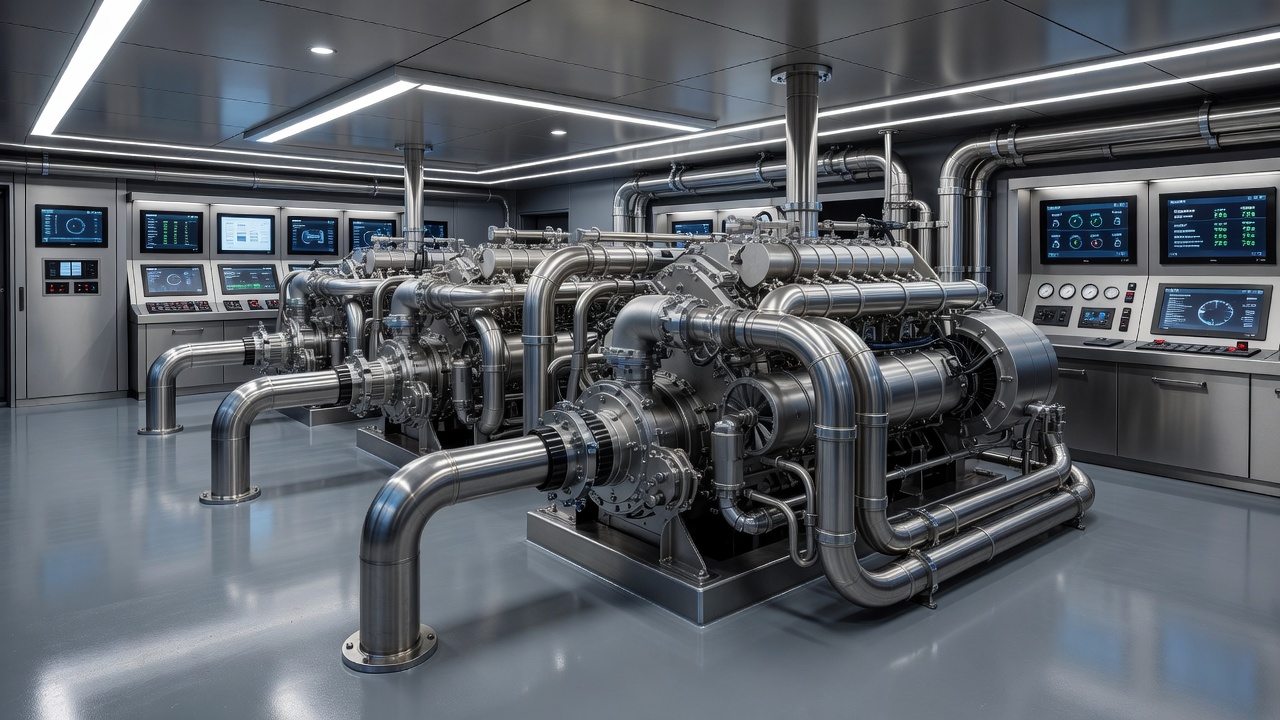
Annual maintenance budgets for vessels of this size range from 5 to 10 percent of the original build cost. Hull inspections, paint refinishing, and mechanical overhauls occur on strict schedules. Unexpected repairs to generators or water makers can quickly inflate expenses.
Dry-docking every two years involves hauling the yacht from the water, cleaning the hull, and performing major servicing. These periods also allow for upgrades to navigation or entertainment systems that keep the vessel competitive in the charter market.
Spare Parts and Technical Support
Manufacturers recommend carrying extensive inventories of critical components. Specialized technicians often travel to the yacht, adding travel and accommodation fees. Predictive maintenance using sensor data helps reduce unplanned downtime but requires investment in monitoring equipment.
Insurance, Compliance, and Regulatory Costs
Comprehensive insurance for a 100-meter yacht typically costs between 1 and 2 million euros per year. Coverage includes hull, machinery, liability, and crew protection. Premiums rise with the vessel's age, location of operation, and claims history.
International maritime regulations demand regular audits, safety equipment upgrades, and environmental compliance measures. Carbon offset programs and waste management systems are increasingly mandatory in popular cruising regions.
Berthing, Utilities, and Shore Support
Prime marina berths in the Mediterranean or Caribbean command annual fees exceeding 500,000 euros. Electricity, water, and waste disposal services add tens of thousands more. Shore-based management teams coordinate logistics, guest arrangements, and seasonal relocations.
Communication systems, satellite internet, and cybersecurity measures ensure reliable connectivity for both operations and guest entertainment. These recurring expenses form a steady drain on ownership budgets throughout the year.