Red White and Blue: The Story Behind Yachting Colors in 2026
The Colors That Define Life on the Water
Step onto any premium catamaran and the same three shades appear again and again. Red, white, and blue are not random choices. They emerged from real needs that sailors faced long before modern charters existed. These hues solved problems of visibility, durability, and identity that remain relevant in 2026.
Visibility That Can Save Lives
Open water creates a narrow range of background tones. Greens, deep blues, and gray skies dominate. Against this backdrop, certain colors stand out immediately. White reflects sunlight so effectively that a hull or sail can be spotted from great distances. Red cuts through the blue-green spectrum with sharp contrast, which is why it marks safety equipment and distress signals. Navy blue forms a crisp outline when viewed through spray or fog. These choices are not merely aesthetic; they follow long-standing maritime standards for recognition.
Naval Traditions That Shaped Yachting
Centuries of organized fleets established the visual language still used today. Squadron systems divided vessels by colored ensigns, each carrying specific meaning. When private yacht clubs formed, they borrowed these established signals to convey order and heritage. The same flags that once directed battle formations now appear on charter catamarans as markers of tradition and respect for the sea. This continuity gives modern guests a quiet connection to maritime history every time they board.
Early Fabrics and Lasting Dyes
Before synthetic materials, textile choices depended on natural dyes that could survive salt, sun, and constant wetting. Indigo and madder produced stable blues and reds that resisted fading. White cotton and linen offered maximum brightness and could be cleaned easily. These practical qualities made the combination ideal for everything from signal flags to crew clothing. The same stability explains why navy canvas and red trim still perform well on today’s exposed decks and bimini tops.
Modern Catamaran Design and Color
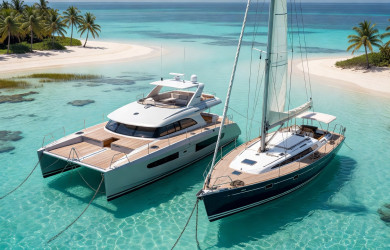
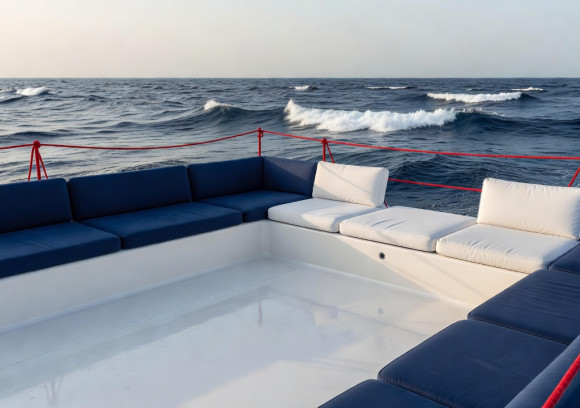
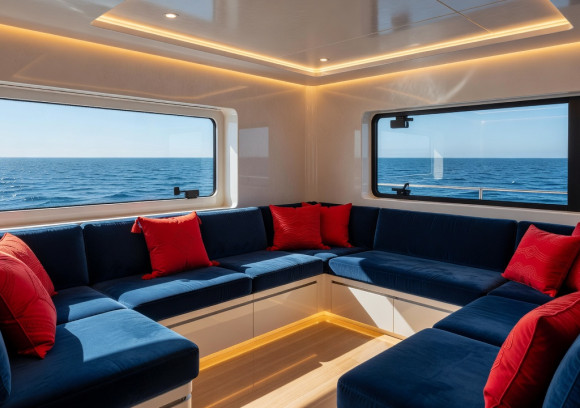
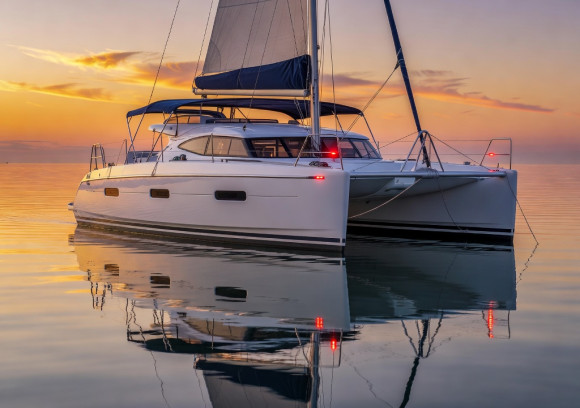
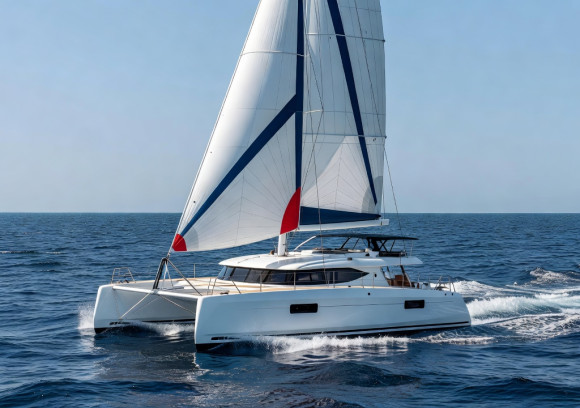
Contemporary builders continue the tradition because it works. White hulls keep interiors cooler and remain easy to inspect for damage. Navy accents hide everyday wear while providing elegant contrast. Red highlights draw attention to critical hardware and safety features. On a luxury charter catamaran these colors create a cohesive look that photographs beautifully and feels timeless. Guests recognize the palette instantly, associating it with trusted seafaring standards.
Choosing Gear and Apparel for Charters
When packing for a week aboard, the same principles apply. Bright red jackets ensure visibility during water sports or evening returns to the yacht. White shirts and caps stay cooler and maintain a clean appearance. Navy shorts or polos resist staining from sunscreen and salt. Many charter companies supply matching sets in these colors so the entire group looks coordinated without extra effort. The combination remains both functional and stylish.
Why the Palette Endures in 2026
Red, white, and blue succeeded because they solved multiple problems at once: they could be seen, they lasted, and they carried meaning. Nothing has replaced them because few alternatives match that combination of utility and heritage. On today’s catamarans the colors continue to signal safety, tradition, and refined taste. Whether you are planning a family escape or a corporate retreat, the classic palette quietly supports both the practical and the memorable aspects of life at sea.