


Why Are Bananas Considered Pure Evil and Bad Luck on Boats?
Tracing the Roots of an Old Sea Tale
Stories about bananas bringing trouble to vessels stretch back centuries. Sailors in the Caribbean trade routes noticed patterns that seemed more than coincidence. Fast passages meant to protect perishable cargo left little time for fishing lines to work. Over time these observations grew into shared warnings passed between crews.
Practical Effects on Daily Life Aboard
Modern crews still hear the old warnings during briefings. Some captains quietly avoid loading the fruit while others treat it as light conversation. The key remains understanding that these ideas emerged from specific trade conditions rather than any inherent property of the fruit itself.
Changes in Storage and Speed
Refrigeration and faster hull designs have removed the original pressures that fueled the stories. Charter operators today focus on fresh provisioning that suits guest preferences without reviving outdated concerns.
Integrating Traditions into Charter Planning
Guests often ask about customs when preparing for a voyage. Sharing the historical background helps set expectations while keeping the focus on enjoyment. Professional crews balance respect for maritime heritage with current operational realities.
Provisioning Choices for Comfort
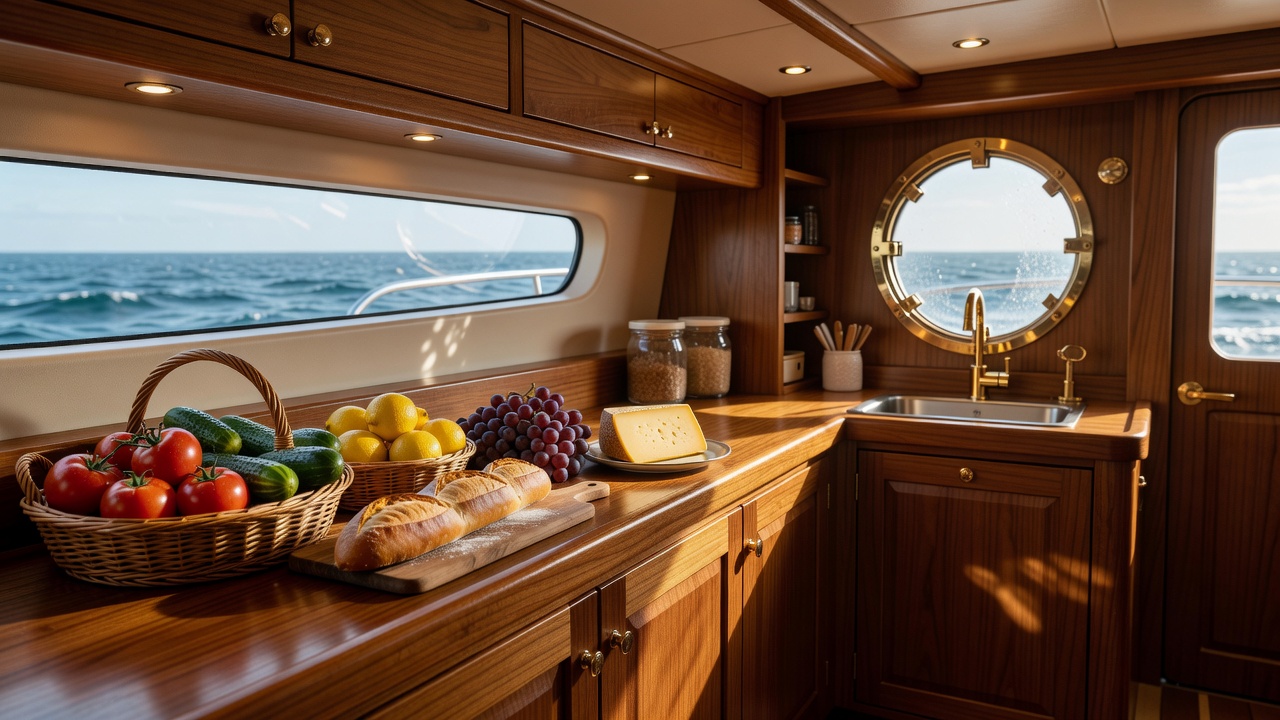
Many charters include a wide range of fruits chosen for nutrition and taste. Bananas appear alongside other options when requested. Clear communication between guests and the provisioning team prevents any unintended friction.
Stories from Experienced Captains
Captains who have logged thousands of miles share how the superstition surfaces in casual moments. One recalls a guest who swapped bananas for mangoes after hearing the tale. Another notes that the conversation often leads to broader discussions about sailing history and safety practices.
Looking Ahead in 2026 Charter Seasons
As technology and guest expectations evolve, the banana story serves mainly as colorful background. It reminds everyone that seafaring once relied on observation and shared knowledge. Contemporary voyages prioritize comfort, safety, and memorable experiences over lingering folklore.
Charter companies continue to refine their offerings based on feedback and operational data. The result is a relaxed atmosphere where historical anecdotes enhance rather than restrict the journey.
