
5+ Catamarans & Yachts Available for Hire in Cape Town
623
82
7293
0
Distinctive Features of a Cape Town,Western Cape,South Africa Private Yacht Charter
Cape Town,Western Cape,South Africa private yacht charter routes thread between the rugged Peninsula and open Atlantic swells where the meeting of two oceans creates shifting currents and dramatic coastal profiles. You will notice how the backdrop of Table Mountain alters wind flow across Table Bay, producing localized gusts that demand attentive helm work from the outset. The combination of urban marina access and immediate exposure to exposed coastline sets this region apart for those who prefer structured departures followed by raw passages.
Catamarans in Cape Town
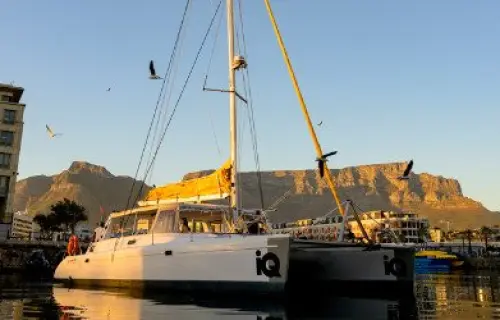
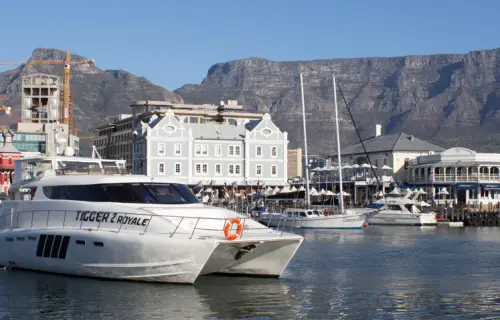
Tigger 2
Tigger 2 Royale stands out as Cape Town’s premier power catamaran for discerning clients seeking an exclusive on-water experience. Its sleek...
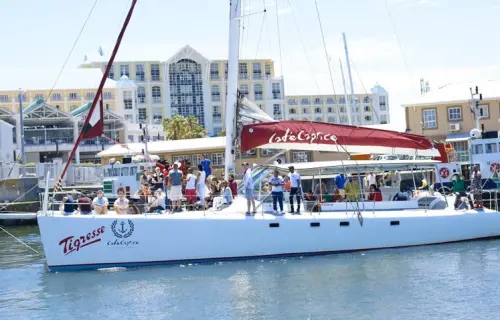
Tigresse
Tigresse is a 62ft sailing catamaran purpose-built for stylish coastal charters from Cape Town’s V&A Waterfront. Her generous beam and open...
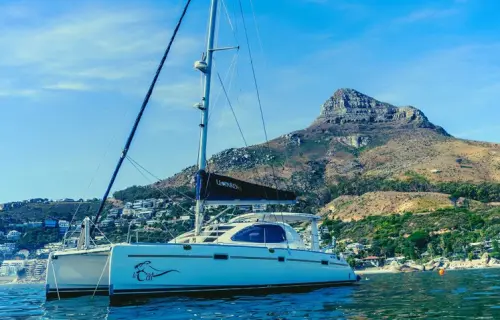
Le Cat
Le Cat Catamaran is a versatile 40-foot luxury catamaran that blends the best of sailing and motorised cruising. Her single-deck design features a...
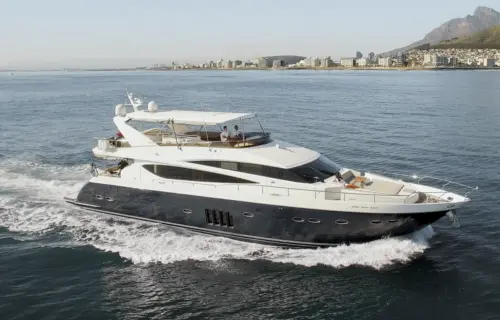
Princess Eve
Princess Eve is a standout 85-foot luxury motor yacht permanently based at Cape Town’s vibrant V&A Waterfront. As the largest resident charter...
Sailing Yachts near Cape Town
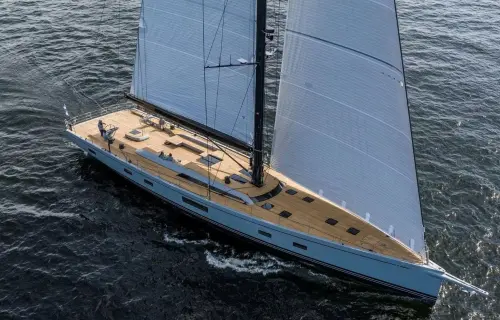
Fancy
Fancy represents the pinnacle of modern sailing yacht design, combining high-performance capabilities with refined luxury. Delivered in 2023 by Nautor...
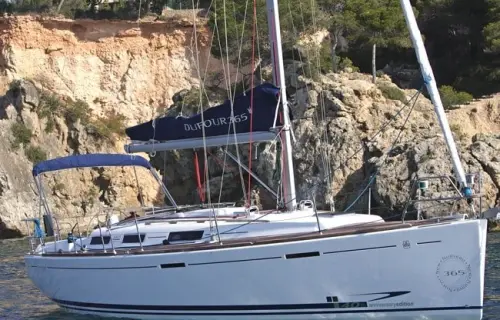
Bavaria 44
The Bavaria 44 is a well-proven sailing yacht that combines solid construction with practical onboard living. Launched in 2002, she measures 13.3...
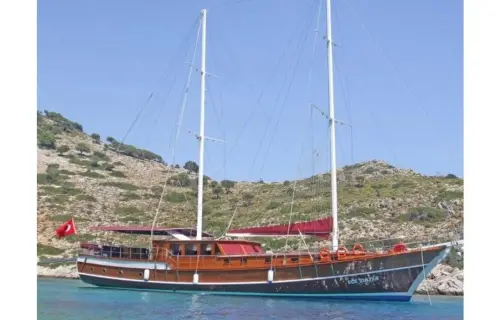
Ece Sultan
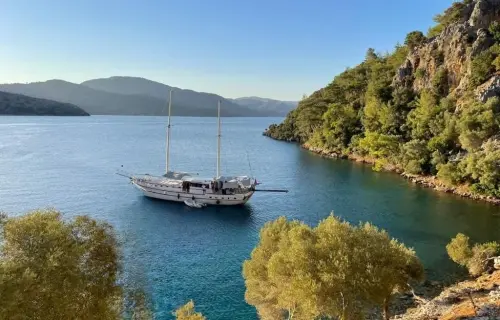
Ece Sultan combines traditional gulet charm with modern comfort. Measuring 28 metres in length and 7.30 metres in beam, the yacht offers generous...
Flores
Flores is a classic 24 m gulet launched in 2018 and maintained to a high standard for private charters. She accommodates 12 guests in six...
Yacht Oceanis 46
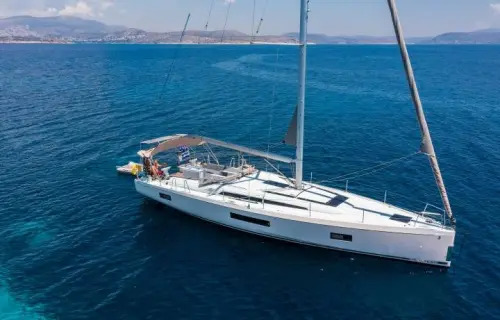
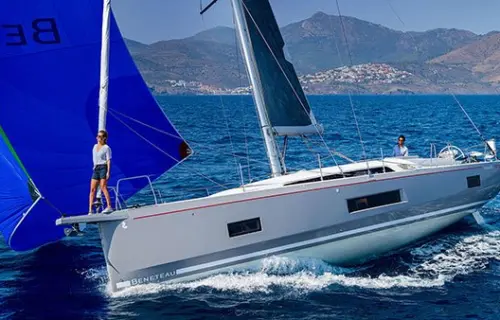
Beneteau Oceanis 46.1 delivers the features of a much larger cruising yacht in a manageable package. Built in 2020, she combines modern performance...
Zeppelin
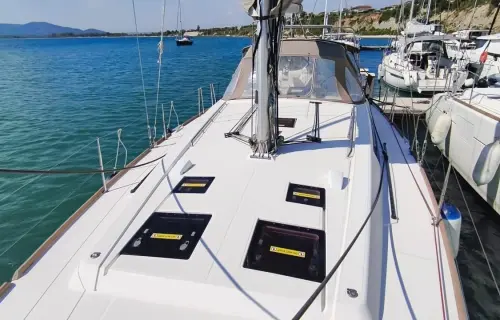
Zeppelin is a dependable Beneteau Oceanis 45 that has been charter-proven over more than a decade in the Ionian Sea. Built in 2012, she delivers a...
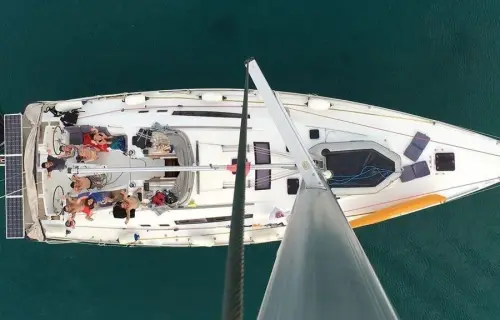
Sirena de Oro
SirenaDeOro welcomes guests aboard a refined Beneteau Oceanis 54 that blends performance with elegant live-aboard comfort. Her sleek lines and...
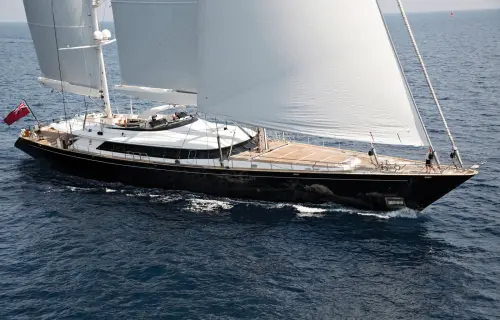
Parsifal III
Built for an experienced yacht owner, the stylish sailing yacht Parsifal III from the renowned Perini Navi shipyard has an exquisite Remi...
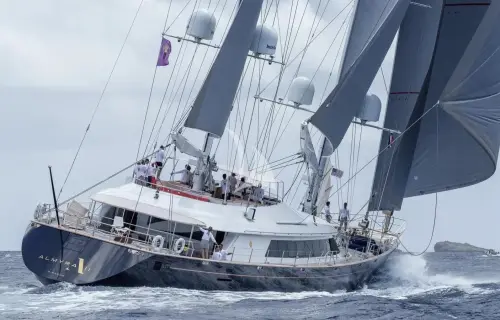
Almyra II
Almyra II represents the pinnacle of Perini Navi craftsmanship, seamlessly merging timeless sailing tradition with contemporary performance...
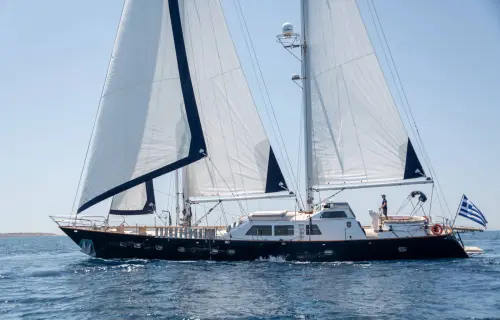
Spirit L
Originally commissioned by Prince Rainier III and Princess Grace of Monaco, Spirit L carries a unique royal legacy. Built in 1984 as Stalca II and...
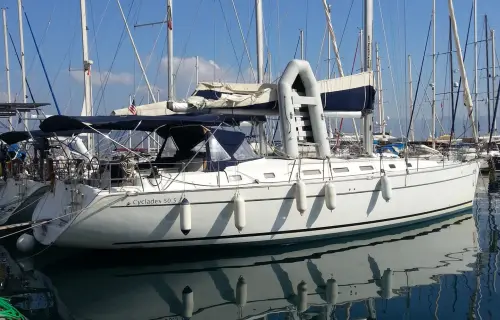
Orion IV
Beneteau Cyclades 50.5 Orion I and Orion IV represent the perfect choice for those seeking a well-equipped sailing yacht for memorable holidays in...