
23+ Catamarans & Yachts Available for Hire in South Africa
0
82
0
0
Why South Africa Stands Out for Private Yacht Charters
South Africa private yacht charter routes let you trace a rugged shoreline where the Indian and Atlantic Oceans meet, giving access to strong currents and varied coastal topography that differ sharply from Mediterranean or Caribbean passages. You encounter a mix of sheltered bays and open-water legs that demand attention to local forecasts while rewarding steady progress along well-charted routes.
Catamarans in South Africa
Explore
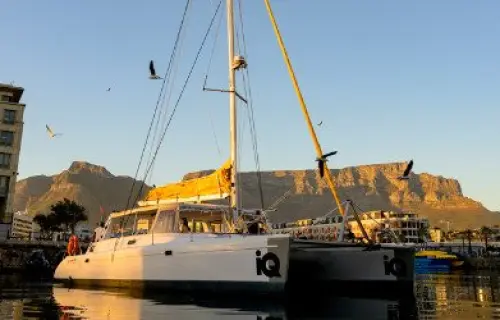
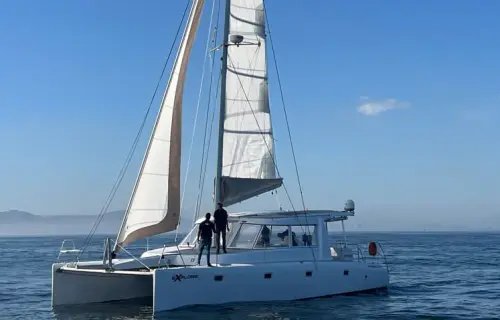
Explore Catamaran delivers a premium private charter experience on the waters of Cape Town. Recently renovated and meticulously maintained, this...
Skyfall
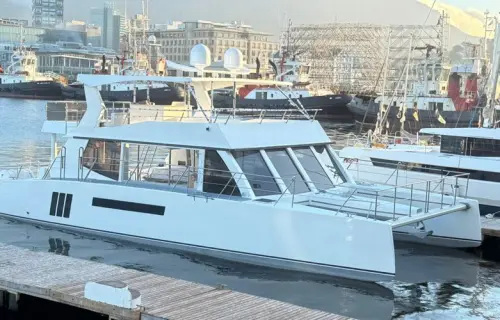
Skyfall is a 50-foot Du Toit motor catamaran launching as a 2026 build for Cape Town. She is drawn for large groups — corporate days, year-end...
Eclipse
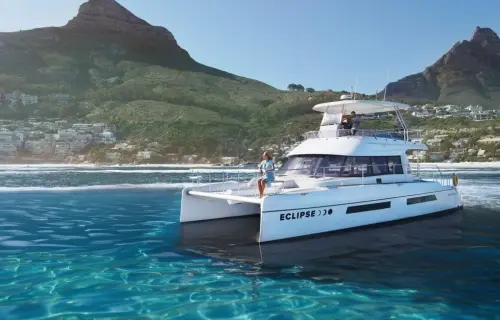
Eclipse is a 42-foot motor catamaran from 2020, designed by Simonis Voogd and run as a private day boat on Table Bay. A covered main deck, flybridge...
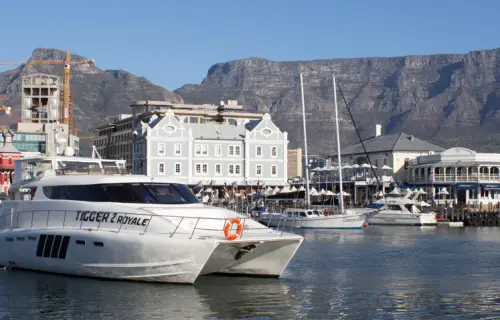
Tigger 2
Tigger 2 Royale stands out as Cape Town’s premier power catamaran for discerning clients seeking an exclusive on-water experience. Its sleek...
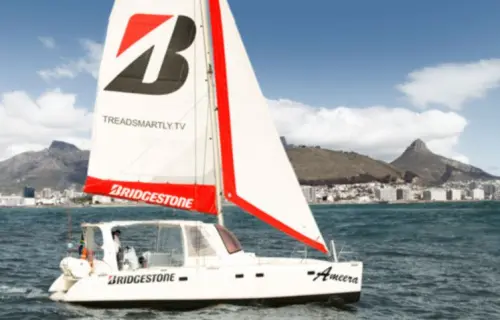
Ameera
Ameera is a 40-foot sailing catamaran built by A. Simonas. AMEERA is on the bow. She takes 38 guests with a crew of two to three for Table Bay days...
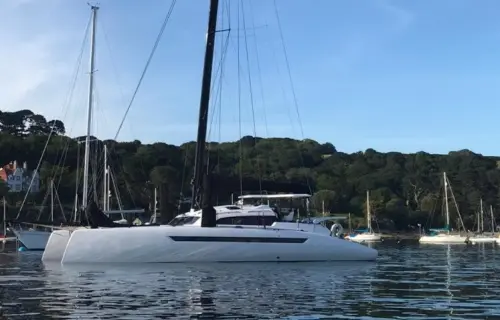
Prismo
Prismo is a Dazcat 1495 performance sailing catamaran, built in 2016 by Multimarine. At 14.95 m with a 7.5 m beam and a 0.8 m board-up draught, she is...
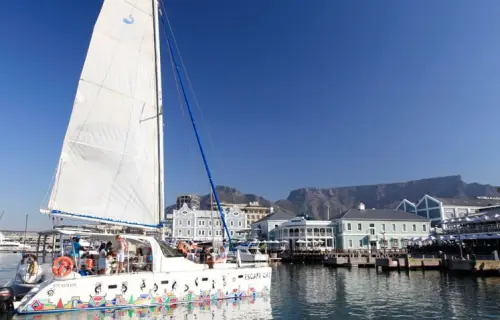
Escape Cat
Escape Cat is a 39-foot Scape Yachts sailing catamaran on Table Bay. ESCAPE CAT is on the transom, with Ndebele colour on the hulls and a blue mast....
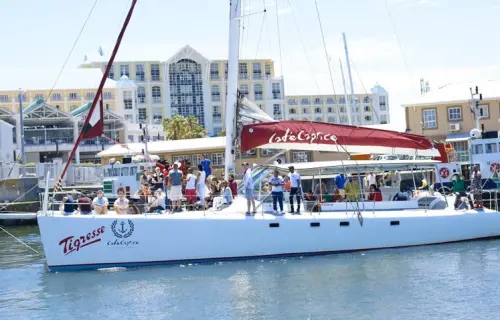
Tigresse
Tigresse is a 62ft sailing catamaran purpose-built for stylish coastal charters from Cape Town’s V&A Waterfront. Her generous beam and open...
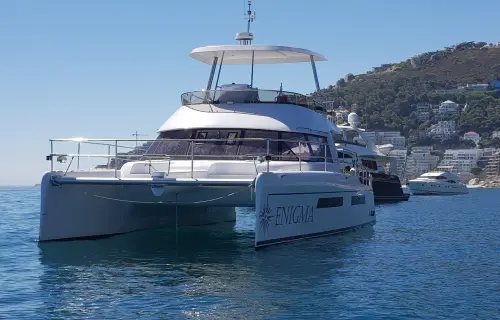
Enigma
Enigma is a 42-foot Scape Yachts power catamaran built in 2018 for Table Bay. ENIGMA is on the hull, with twin decks, a flybridge and a wide 8 m beam...
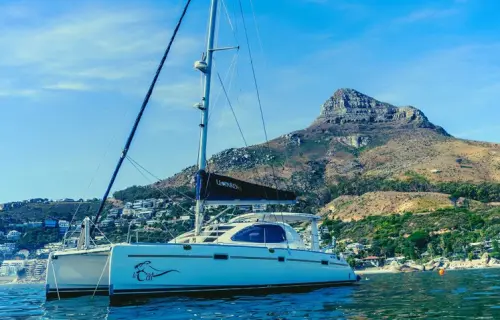
Le Cat
Le Cat Catamaran is a versatile 40-foot luxury catamaran that blends the best of sailing and motorised cruising. Her single-deck design features a...
Motor Yachts in South Africa
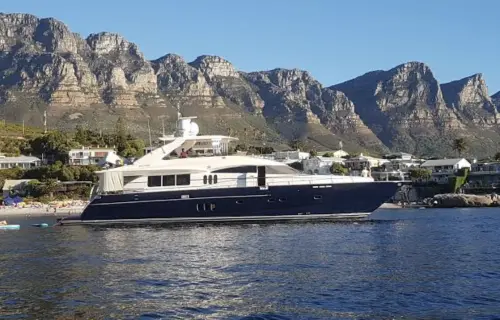
Princess Emma
Princess Emma delivers timeless British elegance combined with exhilarating performance on the waters of Cape Town. Built by Princess Yachts, this...
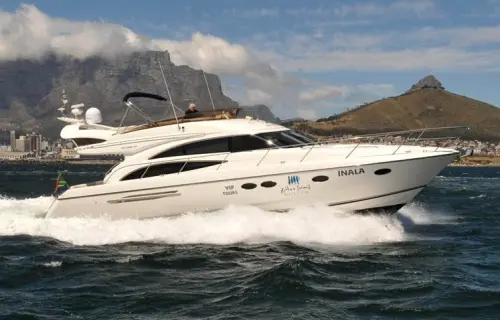
Inala Antares
Inala Antares is a 57-foot Princess flybridge motor yacht. INALA is on the hull. She takes twelve guests by day, with three cabins and a crew of two,...
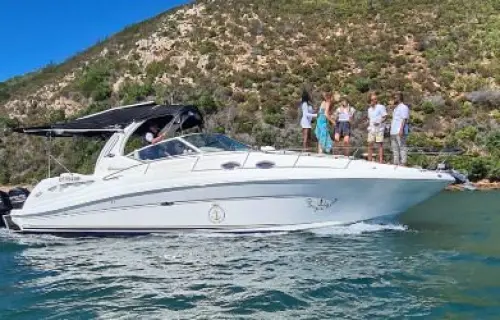
Olympic Flame
Olympic Flame is an 11.43-metre Sundancer 375 on the Knysna Lagoon. Her name is on the bow. A 2006 build, she is a compact flybridge motor yacht for...
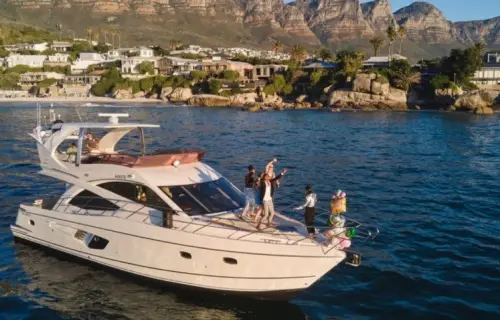
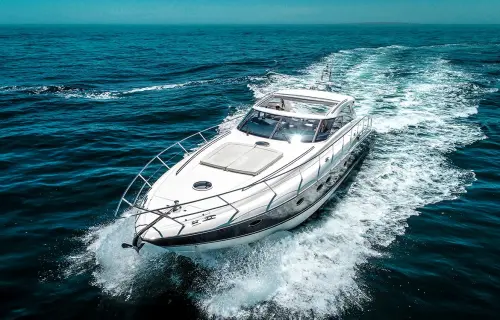
Topaz
Motor Yacht Topaz is a refined 60 ft Princess motor yacht crafted in Plymouth, England. Her sleek lines and sophisticated design make her an ideal...
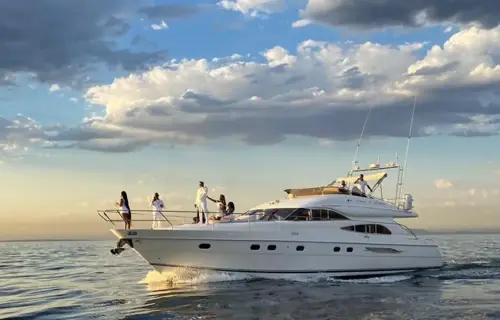
Only One Yacht
Only One is a refined Princess motor yacht designed for memorable Cape Town experiences. Her spacious decks, elegant saloon and air-conditioned cabins...
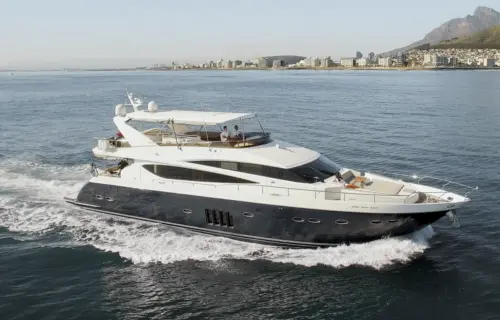
Princess Eve
Princess Eve is a standout 85-foot luxury motor yacht permanently based at Cape Town’s vibrant V&A Waterfront. As the largest resident charter...
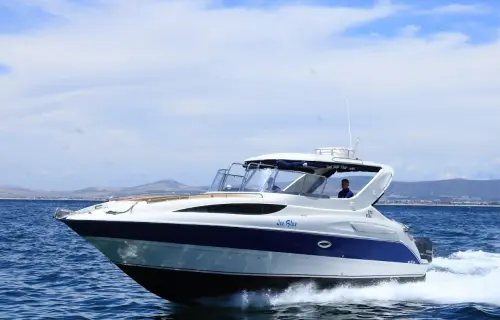
Ice Blue
Ice Blue is a premium Bayliner motor boat designed for unforgettable private charters in Cape Town. At 9.54 metres she combines sleek lines with...
Sailing Yachts in South Africa
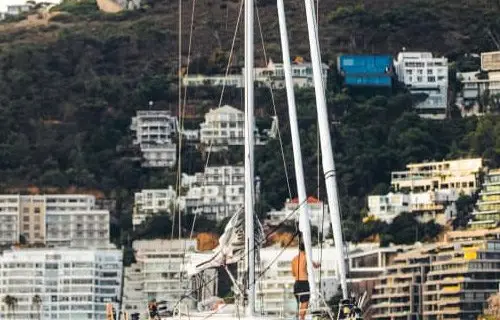
Isabella
Isabella is a 1986 Baltic 42, restored and kept as a proper sailing yacht rather than a party deck. Eight guests sail with a crew of two to three from...
Outeniqua Sloop
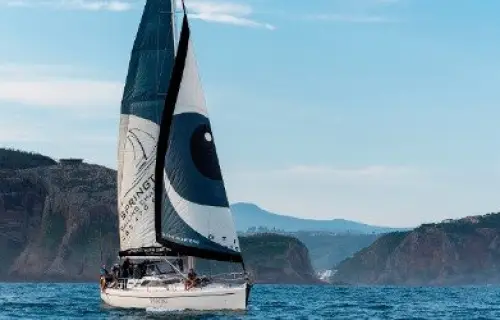
Outeniqua Sloop is a 50-foot mono-hull built in Plettenberg Bay by Stephan Pepler and launched in 1998. She sails the Knysna Lagoon with a 21-metre...
Moonshadow
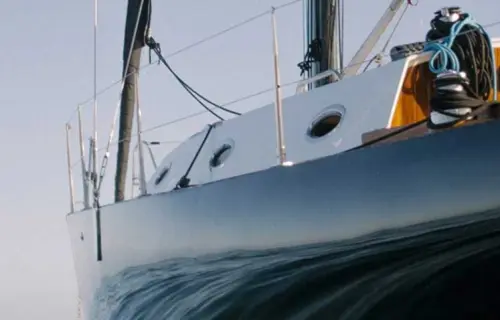
Moonshadow is Cape Town’s black-hulled day sailor — dark hull, dark sails and teak in the cockpit. Built in 2010 by Moondance, she is 12 m with a...