
Power Catamarans Compared to Sailing Models for 2026 Charters
Understanding the Core Differences
Choosing a catamaran for your charter involves more than simply picking a vessel with two hulls. Power and sailing versions offer distinct experiences shaped by propulsion, handling, and daily rhythms on the water. In 2026, both categories feature refined designs that prioritize guest comfort while reflecting current expectations for efficiency and ease.
Power catamarans rely on engines for all movement, delivering consistent speeds regardless of wind. Sailing catamarans harness the wind through large rigs, creating a quieter passage when conditions allow. Each approach influences everything from fuel planning to the pace of your itinerary.
Performance and Daily Handling
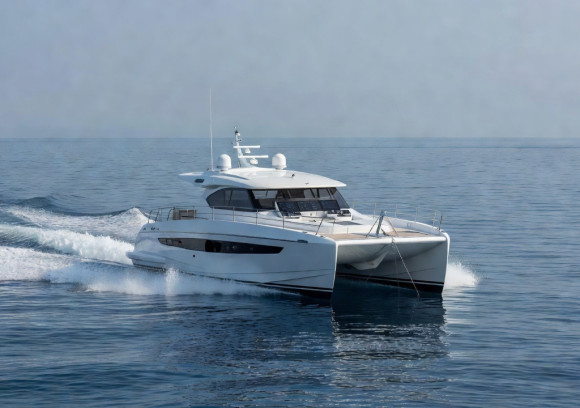
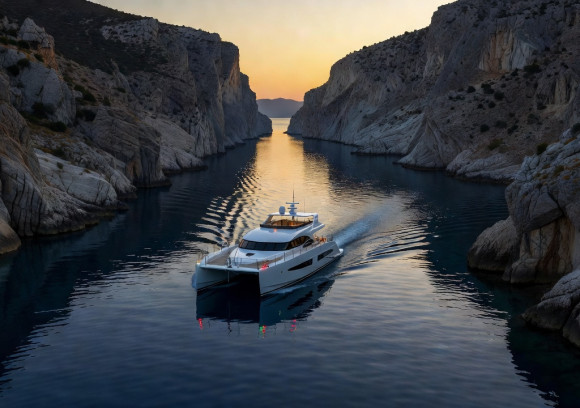
Power catamarans excel when schedules matter. They maintain steady progress even on windless days, making them suitable for longer passages between distant anchorages. Guests appreciate the ability to reach new destinations without waiting for favorable breezes.
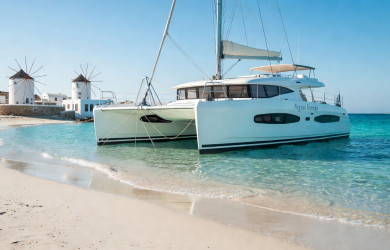
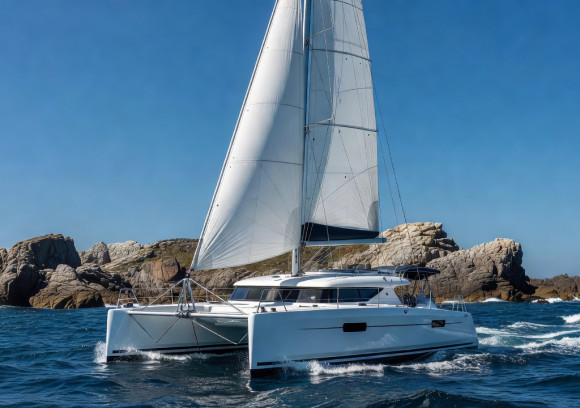
Sailing catamarans reward those who enjoy the process of travel itself. With the engines off, the only sounds are water against the hulls and sails filling overhead. Maneuvering under sail requires more attention to wind direction, yet many crews find this engagement adds to the sense of connection with the sea.
Speed Considerations
Typical cruising speeds on power models range from 15 to 20 knots, allowing flexible daily distances. Sailing versions often average 8 to 12 knots when the wind cooperates, though strong conditions can push higher. Your choice depends on whether you value covering ground quickly or savoring the journey.
Fuel Use and Operating Costs
Power catamarans consume more fuel, especially at higher speeds. Modern engines and hull shapes have improved efficiency, yet guests should budget for diesel expenses when planning extended trips. Many charter companies now provide fuel estimates upfront to avoid surprises.
Sailing catamarans dramatically reduce fuel needs. Engines serve mainly for docking and calm periods, keeping costs lower and aligning with travelers who prefer lighter environmental impact. This difference becomes noticeable on multi-week charters where daily expenses accumulate.
Space, Comfort, and Amenities
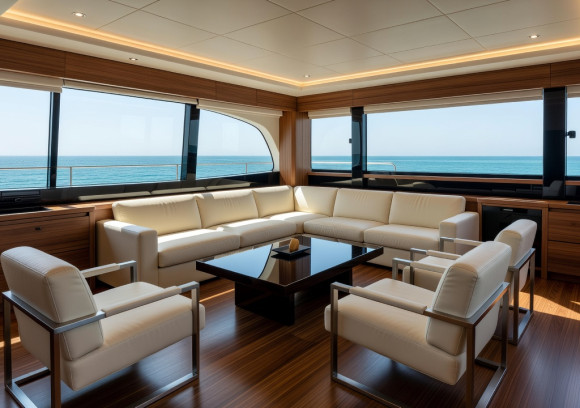
Both styles provide wide decks and stable platforms that minimize rolling motion. Power catamarans often feature expansive flybridges with seating and sun pads, creating additional outdoor living areas. Interiors tend toward open-plan layouts with generous headroom.
Sailing catamarans balance living space with rigging requirements. Many include comfortable cockpits and forward lounges, while interiors remain bright and airy. The presence of masts and sails can influence deck flow but rarely detracts from overall roominess.
Noise and Vibration Levels
Engine noise is more present on power models during passages. Sound insulation has advanced, yet the constant hum remains a factor for light sleepers. Sailing catamarans offer quieter conditions under wind power, though engines used in port produce similar background sounds.
Best Destinations and Activities
Power catamarans suit regions with variable winds or tight schedules, such as the Bahamas or Croatia. They support water sports like tubing or wakeboarding thanks to reliable propulsion. Guests who enjoy frequent moves between islands often prefer this flexibility.
Sailing catamarans shine in consistent wind areas like the Caribbean or Greek islands. They encourage relaxed exploration with stops for snorkeling or beach visits. The sailing experience itself becomes a highlight for those drawn to traditional yachting.
Selecting the Right Option for Your Group
Consider your priorities around speed, budget, and desired atmosphere. Families with children may appreciate the steady motion and extra deck space of power models. Couples or small groups seeking a more immersive sailing experience often lean toward wind-powered vessels.
Discuss preferences with your charter specialist early. They can match vessel features to your itinerary and group size, ensuring the chosen catamaran supports the holiday you envision. In 2026, both power and sailing options continue to evolve, offering refined choices for every type of traveler.