
The Anatomy of a Sailing Protest: How to File and Win a Hearing
Understanding the Role of Protests in Modern Yacht Racing
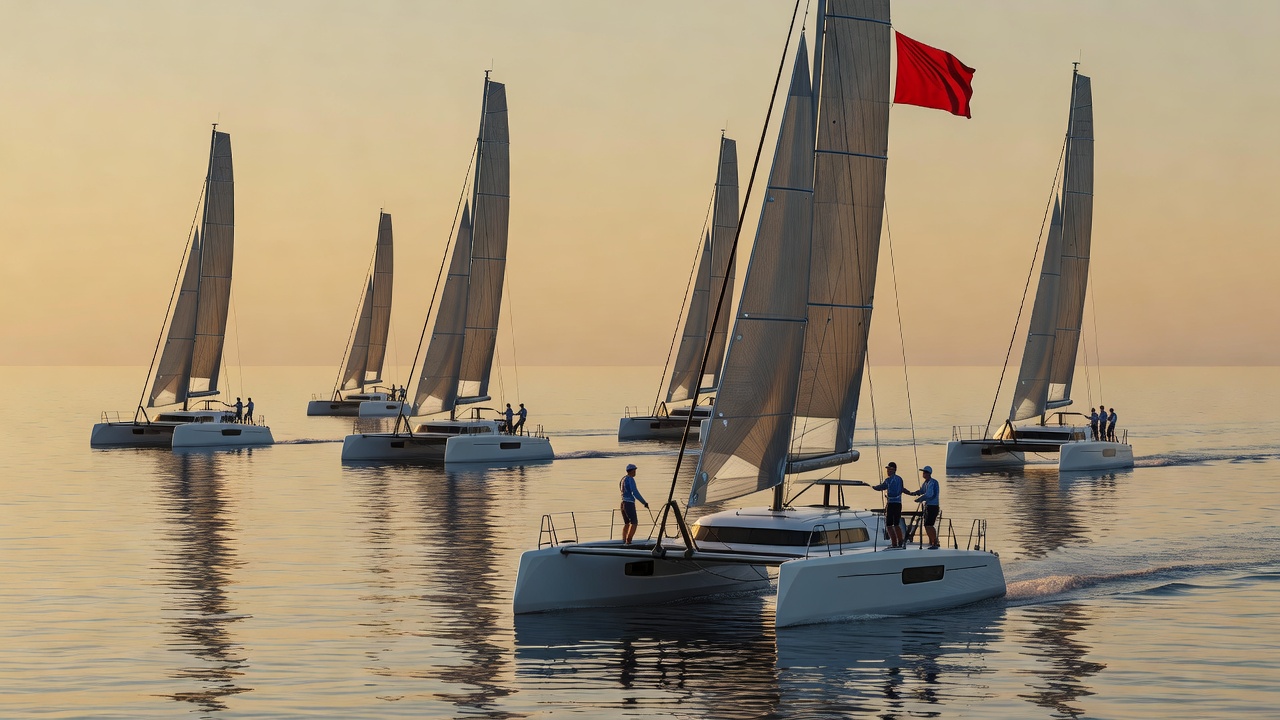
Sailing protests form an essential part of fair competition on the water, especially when chartering catamarans or yachts for events. They ensure that rules are upheld without disrupting the flow of a race unnecessarily. In 2026, with increased participation in organized regattas, knowing these procedures helps crews maintain professionalism and sportsmanship throughout their time on board.
Many charter guests encounter situations where a rule appears broken, yet hesitation prevents action. Clear knowledge removes that uncertainty and allows informed decisions at the moment.
Recognizing When a Rule Violation Occurs
Rule breaches often happen in close-quarters maneuvering or at mark roundings. Common examples include failing to give room at a mark or improper overlap situations. Crews on catamarans must stay alert because these vessels respond differently than monohulls due to their width and speed.
Immediate recognition matters. Once a potential infringement is spotted, the protesting party must act quickly to preserve rights under the racing rules.
Calling the Protest on the Water
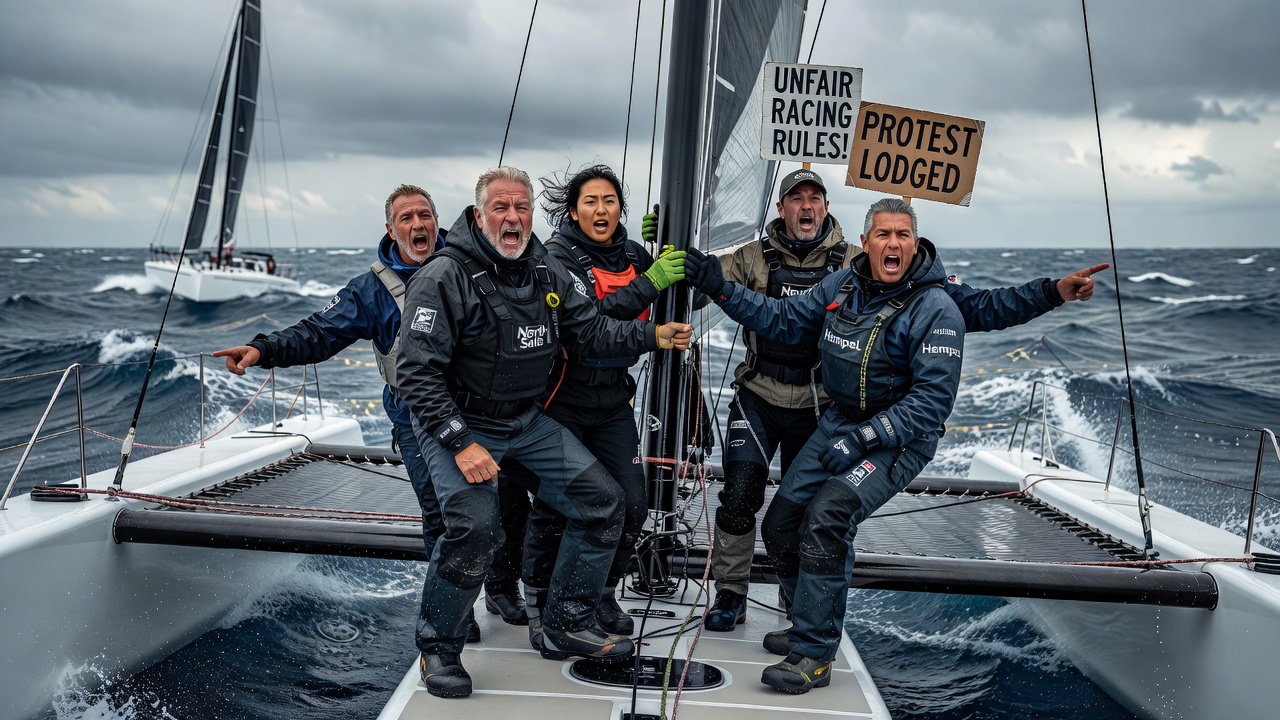
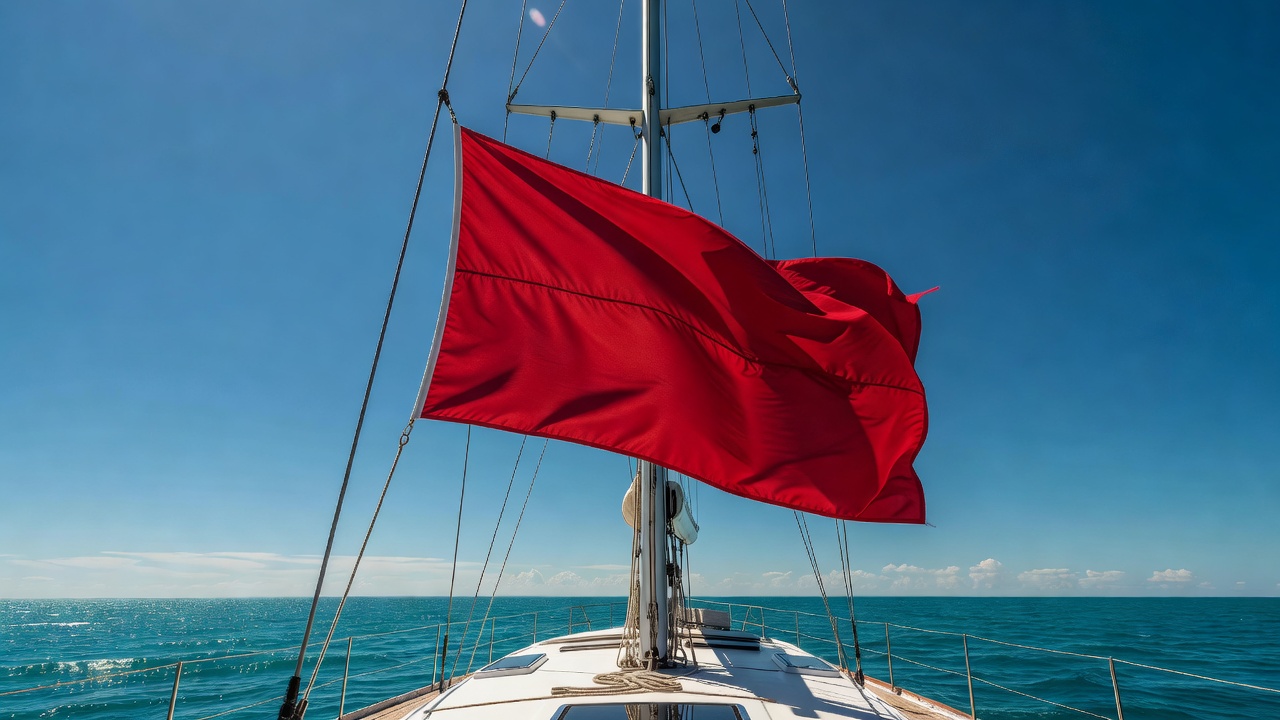
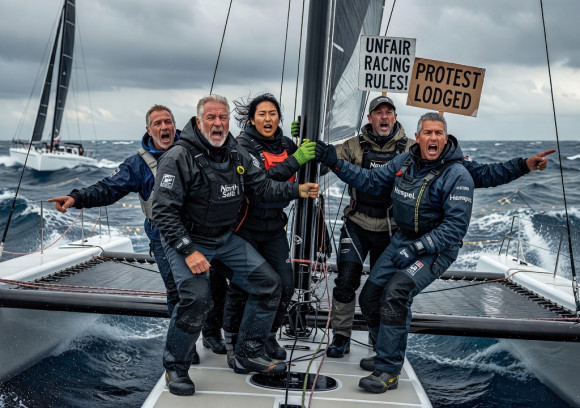
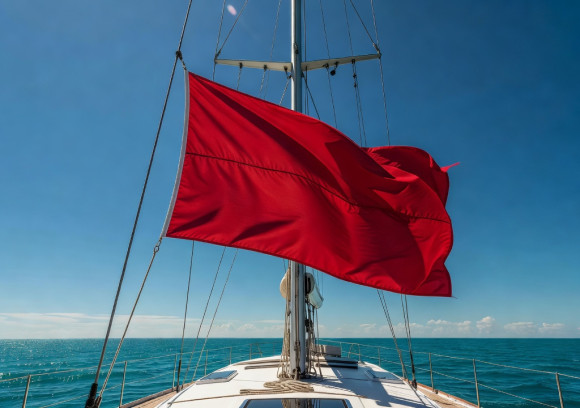
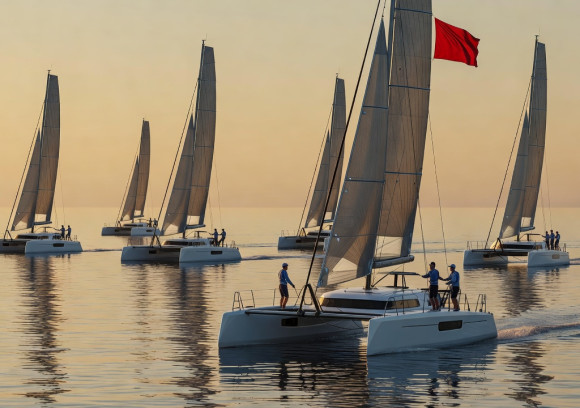
The first action involves a clear verbal hail of the word protest directed at the other boat. This hail must occur at the first reasonable opportunity. Following the hail, the red protest flag needs to be displayed conspicuously as required by Rule 61.1a. The flag remains visible until the finish or until the protest committee allows it to be lowered.
Timing and visibility of the flag prove critical. Failure to display it correctly can result in the protest being dismissed before any hearing begins.
Collecting Evidence and Witnesses
After the incident, crews should note positions, wind conditions, and exact timings. Photographs or video from onboard devices can strengthen a case when presented properly. Witnesses from other boats add independent perspectives that the committee values highly.
- Record GPS data if available on the charter yacht systems.
- Ask nearby competitors for contact details immediately after finishing.
- Write a brief factual summary while details remain fresh in memory.
Organized notes prevent confusion during the later hearing stage.
Preparing the Written Protest Form
Most events require a completed protest form submitted within the time limit stated in the sailing instructions. The form must include the identities of the boats involved, the specific rule alleged to be broken, and a concise description of the facts. Supporting diagrams help illustrate relative positions at key moments.
Charter crews benefit from reviewing the form template before the event starts so they can complete it efficiently under time pressure.
Presenting Your Case to the Protest Committee
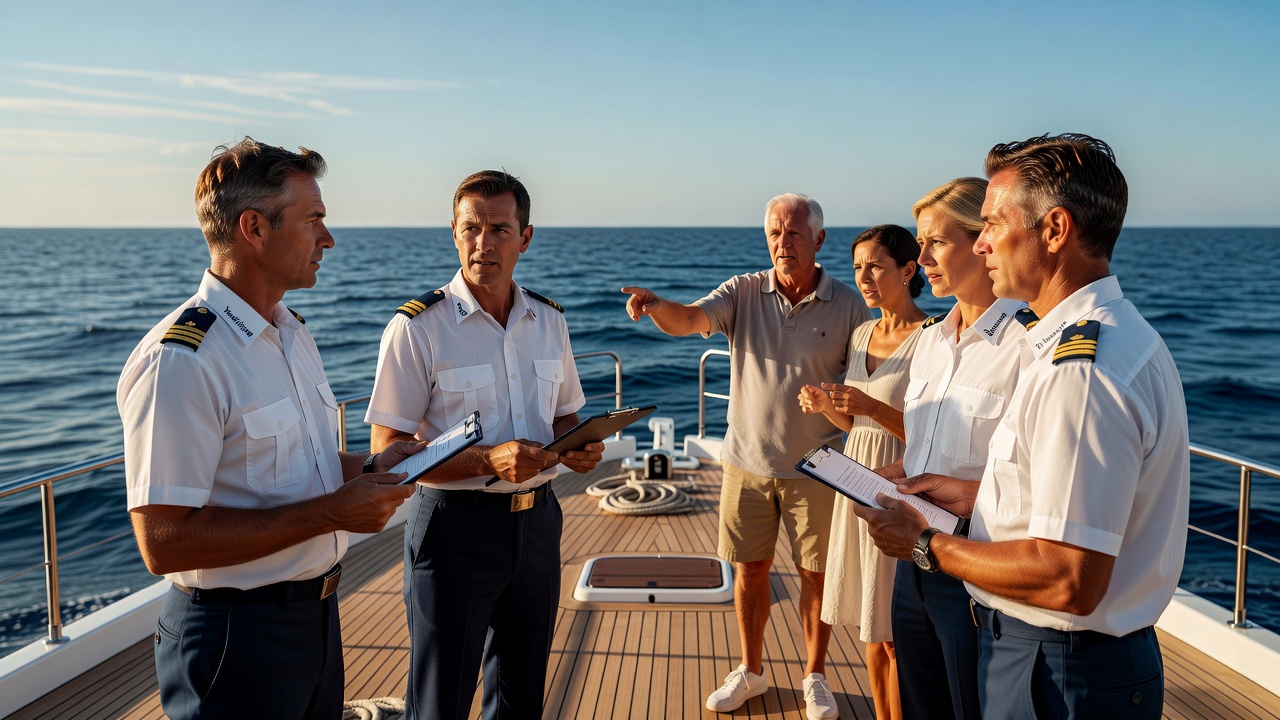
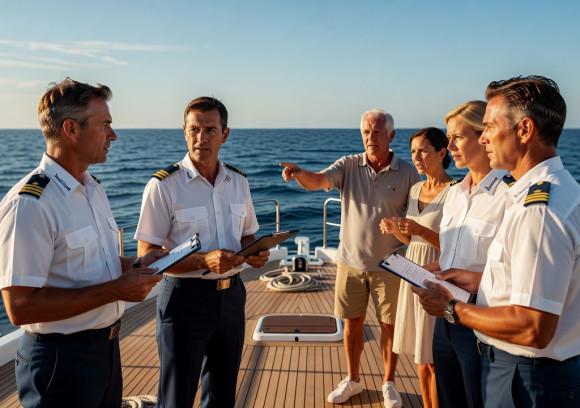
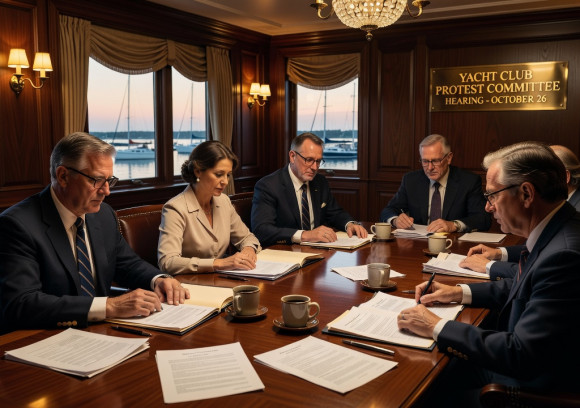
During the hearing, each party presents its version in turn. The protesting boat speaks first, followed by the protested boat. Witnesses may be called and questioned by the committee. Clear, factual statements without emotional language increase credibility.
Diagrams drawn on a whiteboard or shown on a tablet often clarify complex situations better than words alone. Committee members appreciate concise answers to their questions.
Common Reasons Protests Succeed or Fail
Successful protests rest on consistent facts supported by multiple sources. Failures frequently occur due to late flag display, incomplete forms, or contradictory witness statements. Understanding these patterns allows crews to strengthen their approach in future incidents.
Committees also consider the overall context of the race and whether any advantage was gained by the alleged breach.
Applying Lessons to Future Charter Experiences
Knowledge of protest procedures enhances enjoyment of yacht and catamaran charters by reducing on-water tension. Crews that handle disputes calmly contribute to a positive atmosphere for everyone involved. Regular review of the racing rules before each season keeps procedures current and instinctive.
Ultimately, protests exist to protect fair sailing rather than to create conflict. Mastering the process supports both competitive integrity and memorable time on the water.