


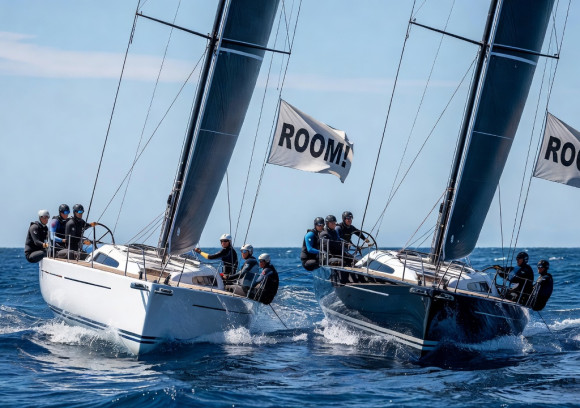



Room to Tack: Navigating Obstructions and Shorelines While Racing
Getting Started with Room to Tack Concepts
Racing on the water brings constant decisions, especially when hazards appear suddenly. Understanding how to request and respond to room to tack keeps everyone safe while staying competitive. These situations arise near shorelines, shallow patches, or even other vessels blocking the path.
Breaking Down Rule 19 for Obstructions
Rule 19 covers situations where boats must give room to pass an obstruction. When one yacht cannot safely clear a hazard without changing course, the outside boat has obligations to provide space. This rule applies whether the obstruction is a fixed object like rocks or a moving one such as a third competitor.
Key points include keeping clear when overlap exists and ensuring the inside boat receives enough room to maneuver. Conversations during these moments stay brief and precise to avoid confusion.
Recognizing When Overlap Occurs
Overlap forms when boats are close enough that their courses intersect near the hazard. The boat to leeward or the one with right of way must assess the situation quickly. Clear communication prevents last-second collisions.
Understanding Rule 20 and the Hail Process
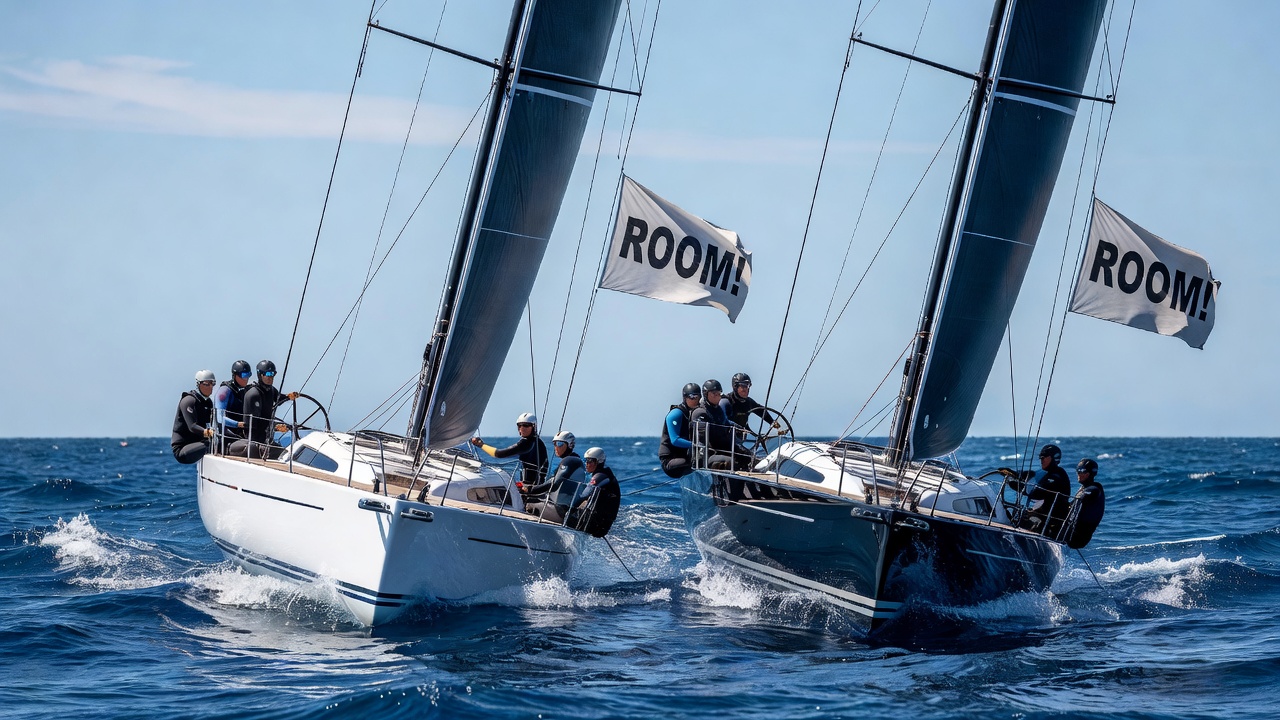
Rule 20 specifically addresses hailing for room to tack at an obstruction. A boat heading toward shallow water or a shoreline can call out to the boat on its windward side. The hail must be clear, typically using the exact phrase room to tack, followed by the reason if needed.
Timing matters greatly here. The hail should come early enough for the other boat to respond safely without losing too much speed or position.
Proper Hailing Technique in Practice
- Speak loudly and clearly across the water.
- Include the phrase room to tack to signal the request.
- Point toward the hazard if possible for visual confirmation.
- Avoid unnecessary words that could delay the response.
Obligations of the Boat Receiving the Hail
Once hailed, the receiving boat has two main choices. It can either tack immediately to give room or respond with you tack to indicate it will handle the maneuver itself. The hailed boat must act promptly to avoid forcing the other into danger.
Failure to respond correctly can lead to protests or penalties. Both boats benefit when responses remain calm and decisive during the exchange.
Common Scenarios Involving Third Boats
Sometimes a third yacht complicates the hail. The boat receiving the call must still provide room while considering its own position relative to others. Overlaps with multiple boats require extra awareness of all surrounding traffic.
Applying These Rules Near Shorelines and Shallow Water
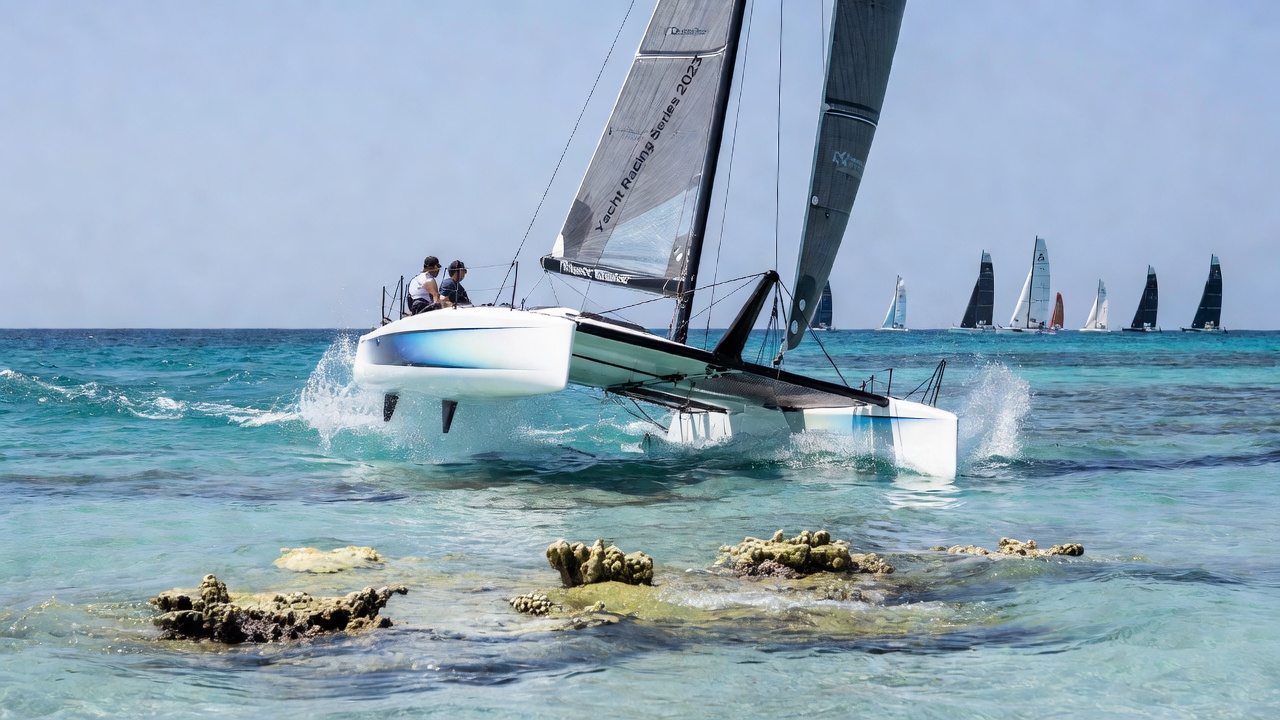
Shorelines present unique challenges because escape routes disappear quickly. Racers learn to scan ahead for depth changes and wind shifts that might push them closer to hazards. Practicing these calls in training builds confidence for real events.
Catamaran charters often include skippers who race recreationally, making these skills valuable beyond competition. Knowing the rules enhances safety on any charter outing that involves close-quarters sailing.
Building Confidence Through Consistent Practice
Regular drills help crews internalize the timing and phrasing of hails. Reviewing past races where room to tack situations arose reveals patterns and improves future decisions. Strong communication between teammates turns potential problems into smooth navigations.
Staying updated with any rule clarifications keeps strategies current for upcoming seasons. The focus remains on fair racing and mutual respect on the water.