
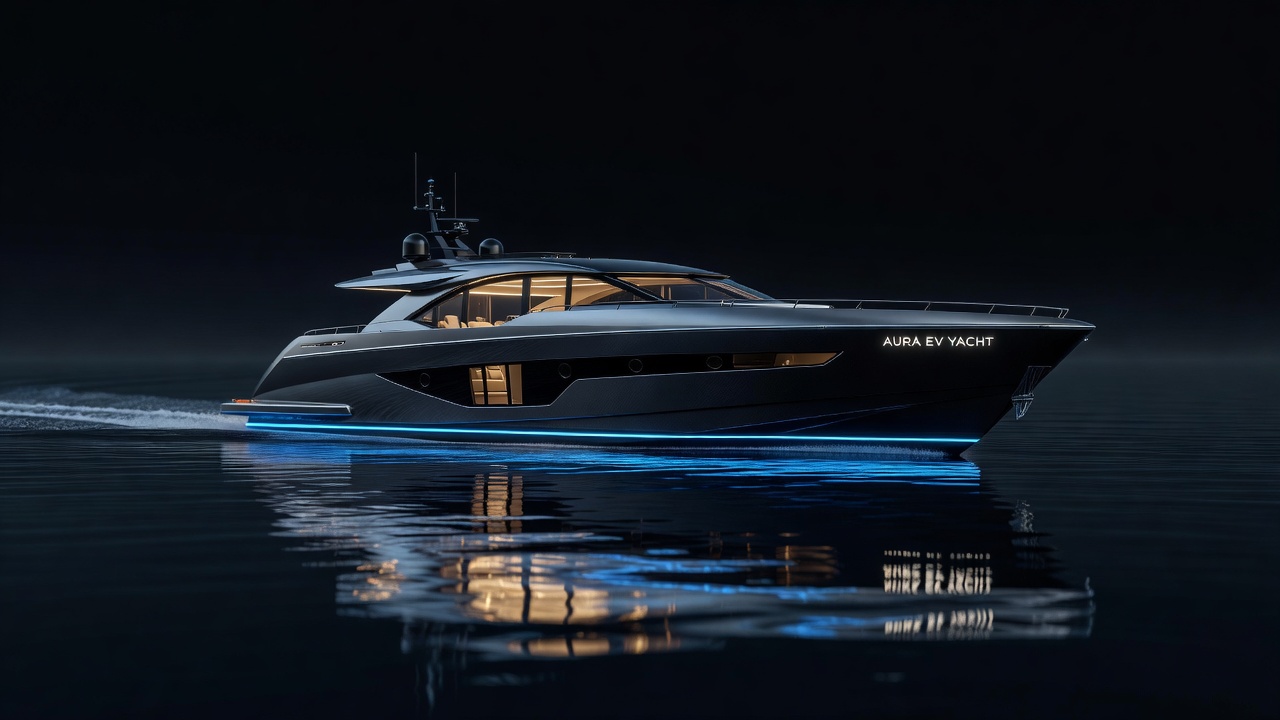
The EV Battery Crossover: Shipyards Partnering with Auto Giants
The Shift Toward Automotive Power Sources
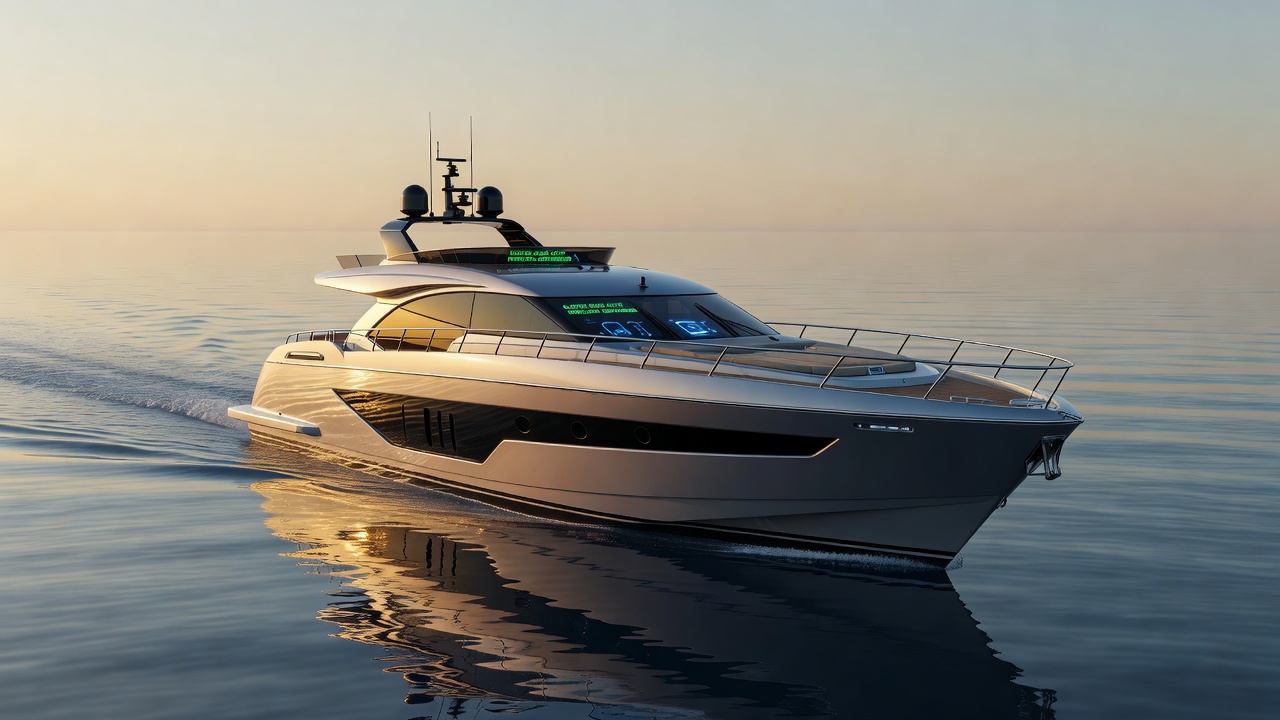
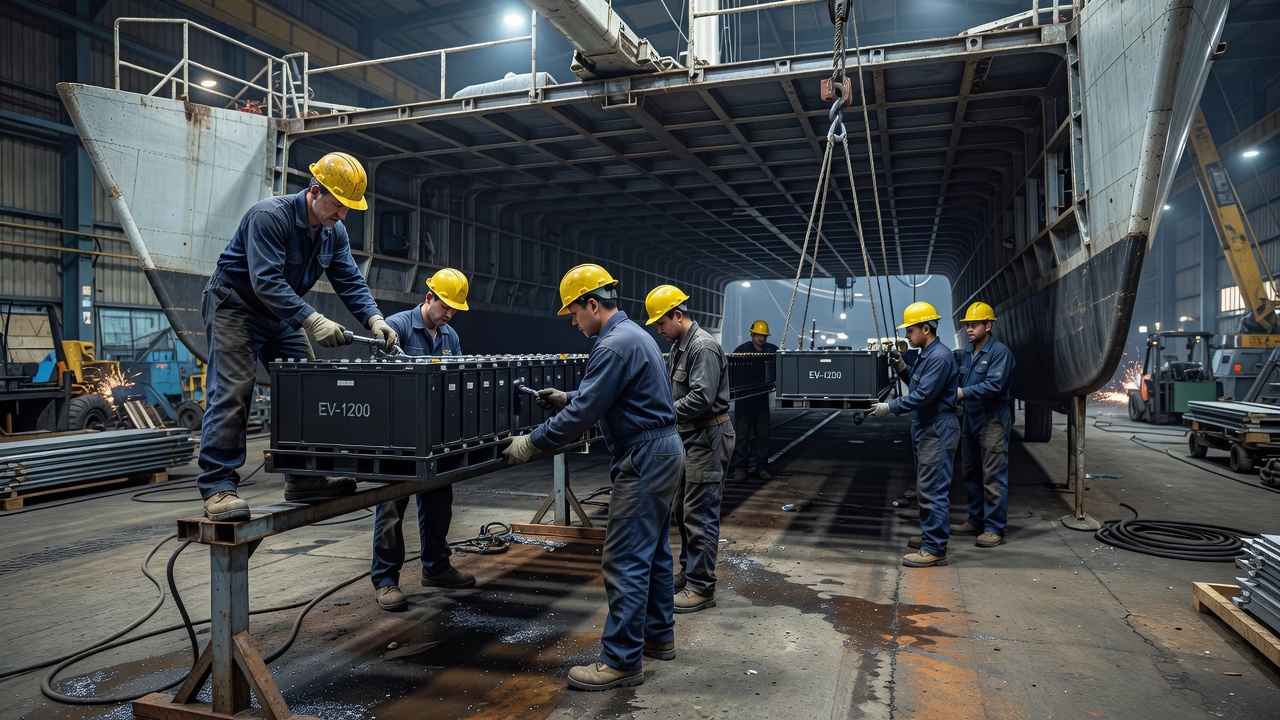
Superyacht construction is entering a new phase where partnerships with automotive leaders are becoming standard. Sanlorenzo's recent tie-up with BYD illustrates this trend clearly. Instead of relying solely on marine-specific suppliers, builders are adopting proven high-density battery technology from the electric vehicle sector.
Why the Crossover Makes Sense
Automotive companies have invested billions in refining energy storage. These advancements deliver superior energy density and faster charging compared to older marine batteries. Yacht owners benefit from longer silent cruising periods and reduced emissions without sacrificing performance.
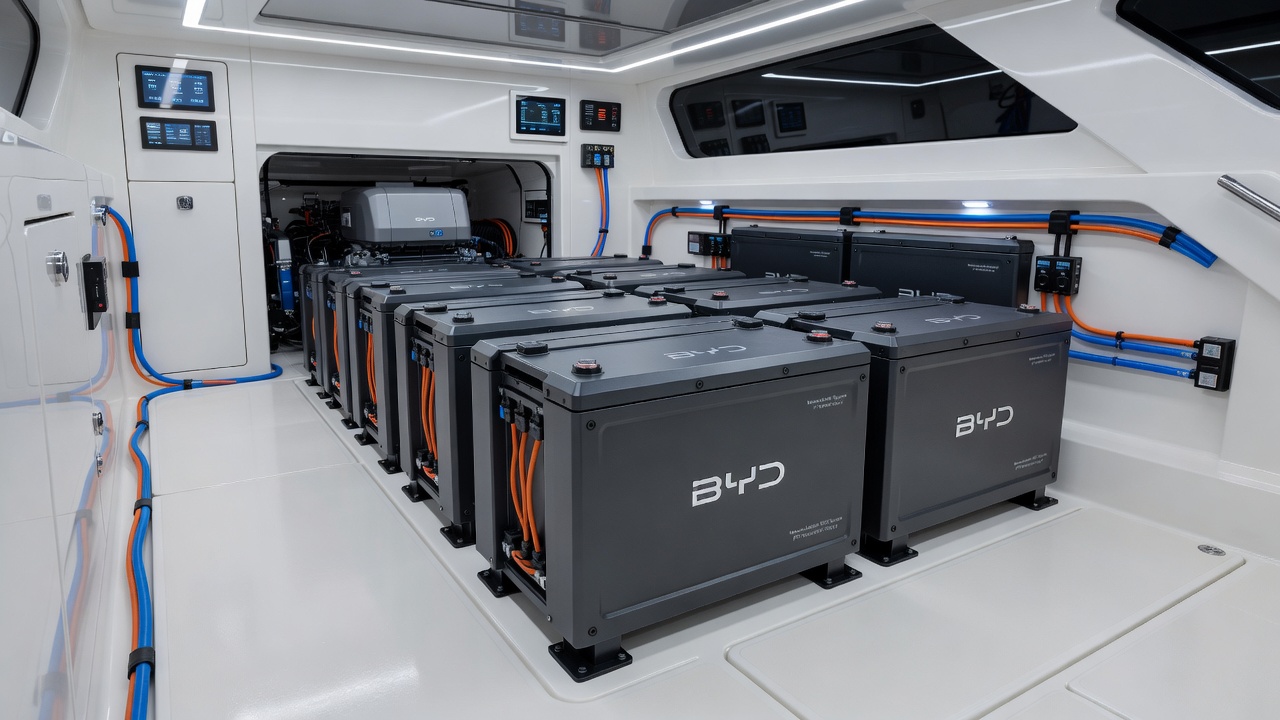
Traditional marine batteries often lag behind in weight-to-power ratios. By contrast, automotive packs from firms like BYD offer compact designs that fit neatly into yacht hulls. This integration supports hybrid and fully electric propulsion systems that appeal to environmentally conscious clients.
Sanlorenzo and BYD Collaboration Details
The Italian shipyard has incorporated BYD's blade battery technology into select models. These lithium iron phosphate units provide enhanced safety and longevity. Early tests show improved range for vessels up to 40 meters in length.
- Reduced overall vessel weight through optimized cell placement
- Seamless compatibility with existing yacht electrical architectures
- Scalable solutions for both monohulls and catamarans
Such adaptations allow for quieter operation and lower maintenance needs over time. Owners report smoother transitions between diesel generators and electric modes.
Technical Advantages in Practice
High-density storage enables extended anchoring without running engines. This feature proves valuable during eco-sensitive charters or in protected marine areas. Charging infrastructure at major ports is also evolving to support these systems.
Engineers note that automotive-derived thermal management keeps batteries within optimal temperatures even in tropical conditions. This reliability reduces downtime and extends service intervals.
Broader Industry Implications
Other shipyards are watching these developments closely. Partnerships like this could accelerate the adoption of zero-emission capabilities across the fleet. Regulatory pressures on carbon output further encourage the move away from conventional diesel setups.
Catamaran builders stand to gain particularly from lighter battery arrays. The twin-hull design offers ample space for distributed energy storage, improving stability and efficiency.
Looking Ahead to 2027 and Beyond
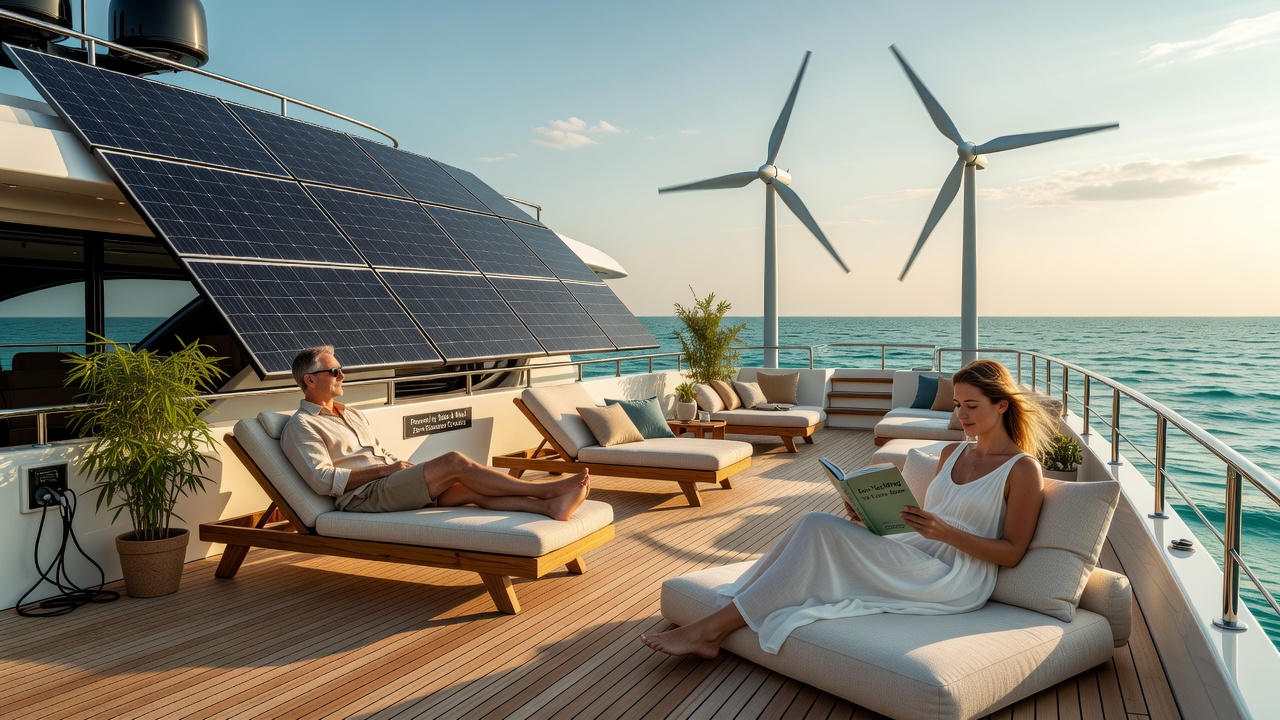
Continued refinement of solid-state battery tech from the auto world promises even greater gains. Yacht designers are already sketching vessels that rely primarily on electric power for daily operations. This evolution aligns with growing demand for sustainable luxury travel.
Ultimately, the crossover represents a pragmatic response to shared challenges in energy innovation. Both industries benefit from cross-pollination of ideas and components.
Practical Considerations for Owners
Prospective buyers should evaluate charging compatibility at their preferred destinations. Training for crew on new systems is minimal but essential for smooth operations. Warranty coverage from automotive partners adds an extra layer of assurance.
Cost comparisons show that initial investments pay off through fuel savings and higher resale values. Many see these yachts as future-proof assets in a changing regulatory landscape.

