
Cigar Lounges at Sea
Engineering Seclusion on the Water
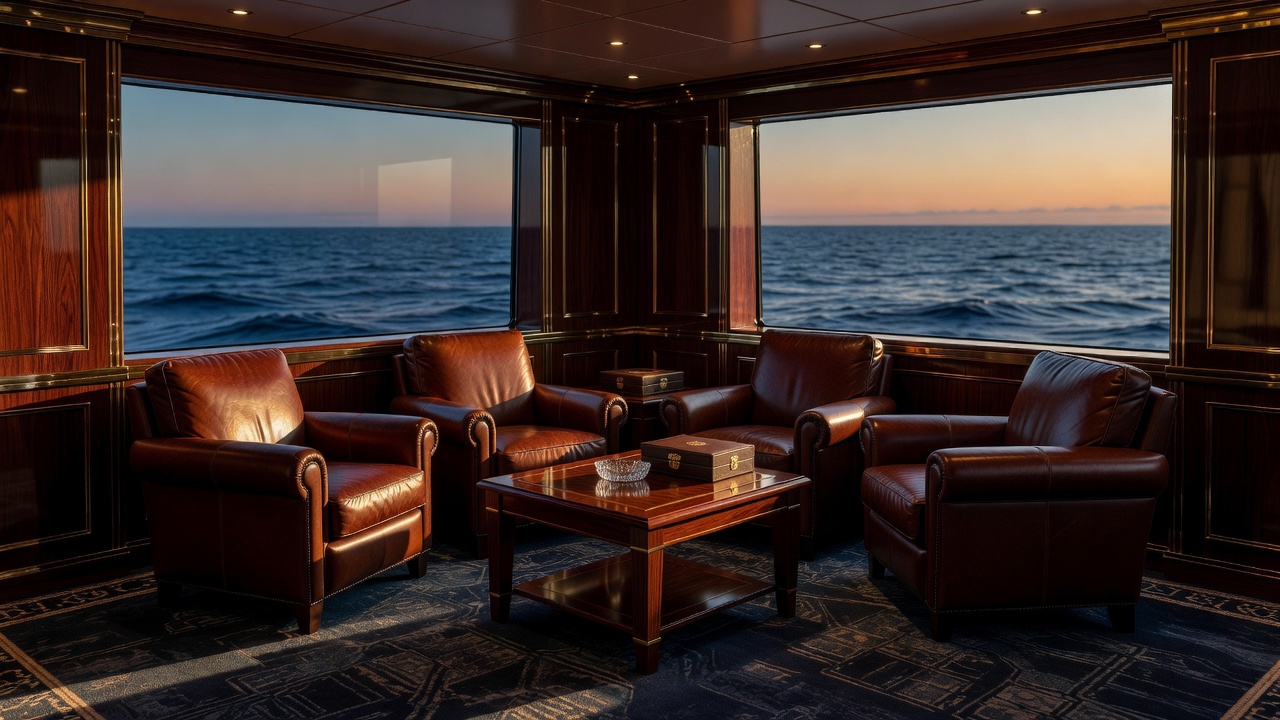
Creating a dedicated cigar lounge aboard a yacht requires solving problems that land-based designers rarely encounter. Salt air, constant motion, and limited space all influence how these rooms are planned and built. Builders focus on complete isolation to prevent smoke from drifting into other areas of the vessel.
Negative-Pressure Systems Explained
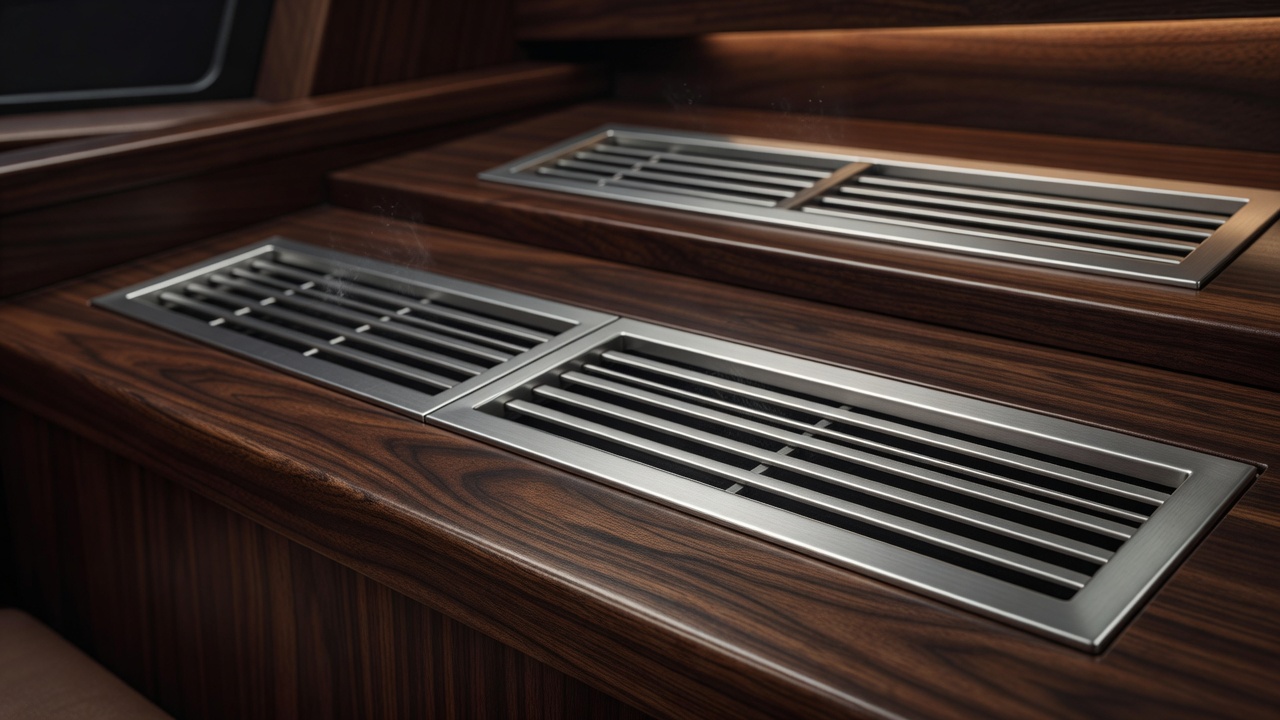
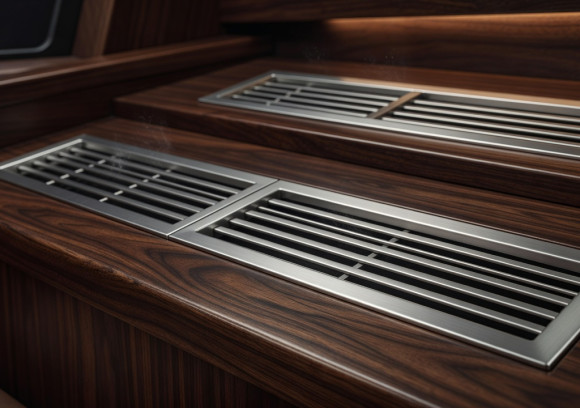
Negative-pressure HVAC setups form the backbone of these lounges. Air is drawn inward from surrounding spaces and then exhausted directly overboard through dedicated ducts. This prevents any odor or particles from escaping into cabins or salons. Multiple filtration stages capture fine residues before release, meeting both environmental standards and guest comfort expectations.
Engineers calibrate fan speeds and duct routes during the build phase. Sensors monitor pressure differentials in real time, adjusting automatically as doors open or sea conditions change. The result feels seamless to guests while maintaining strict containment.
Climate-Controlled Humidors at Sea
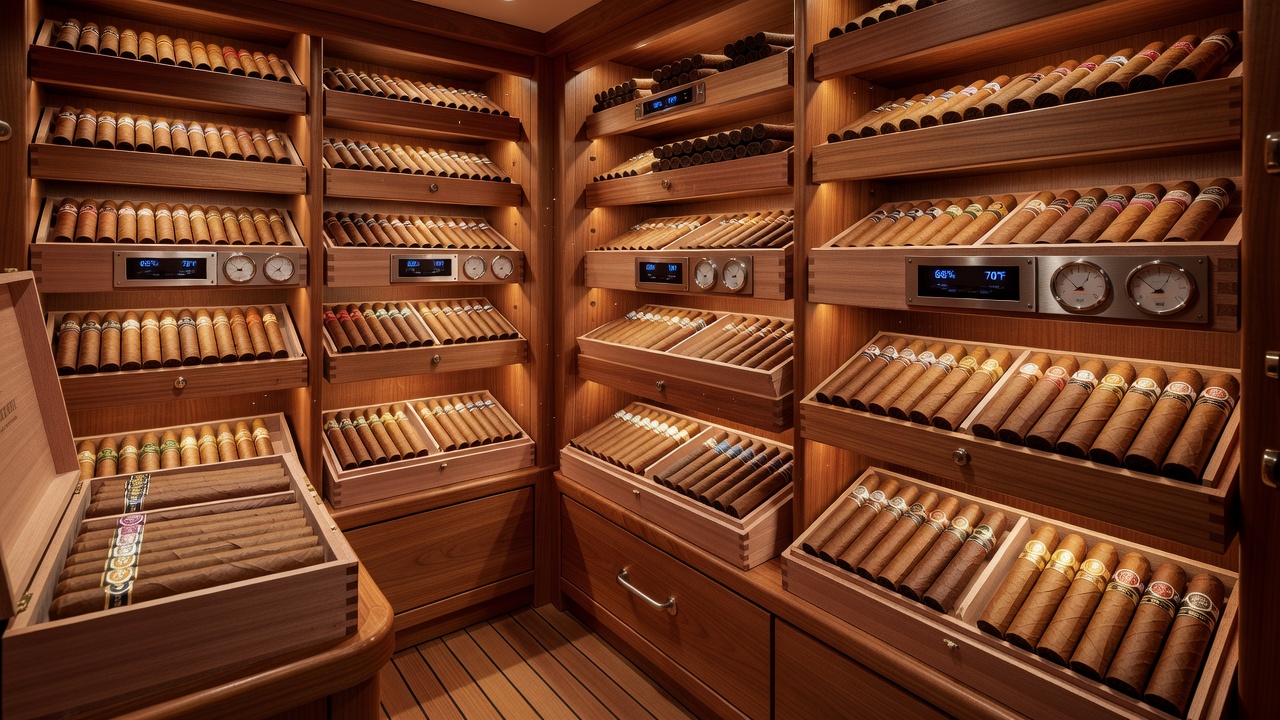
Walk-in humidors must hold steady humidity levels despite temperature swings from day to night or port to port. Custom units use marine-grade insulation and independent cooling loops. Digital controllers track both relative humidity and temperature, often linked to the yacht’s central monitoring system.
Cedar interiors are selected for their natural properties and resistance to warping in humid environments. Shelving layouts accommodate various cigar formats while allowing gentle air circulation. Some owners request separate zones for different aging profiles, each with its own microclimate settings.
Material Choices and Construction Details
Every surface in these lounges undergoes careful selection. Non-porous finishes resist odor absorption, while acoustic panels reduce external noise. Flooring incorporates vibration-dampening layers to keep the space comfortable during passage. Doors feature multiple seals and self-closing mechanisms that maintain pressure integrity.
Lighting is designed to be gentle on both cigars and guests. Low-heat LED fixtures avoid raising local temperatures, and dimming options create the right ambiance without affecting storage conditions.
Integration with Yacht Layouts
Placement of the lounge often occurs near the stern or on a dedicated lower deck to simplify exhaust routing. Access is positioned away from main guest flow, preserving privacy. On catamarans, the wider beam sometimes allows for larger lounge footprints or dual-purpose spaces that convert between day and evening use.
Builders coordinate early with HVAC specialists and humidor fabricators. This collaboration ensures ductwork, electrical runs, and structural reinforcements align before interior fit-out begins.
Maintenance and Long-Term Performance
Regular servicing keeps these systems operating quietly and efficiently. Filter replacements follow manufacturer schedules adapted for marine conditions. Humidor seals receive periodic checks to guard against gradual moisture loss. Crew training covers basic troubleshooting so minor issues can be addressed without disrupting guest experiences.
Owners appreciate how these details contribute to the overall character of the yacht. A well-executed cigar lounge becomes a signature space that reflects thoughtful customization rather than an afterthought addition.
Future Trends in Onboard Cigar Spaces
As yacht designs evolve, expect further refinements in sensor technology and energy-efficient extraction. Some projects explore modular humidor units that can be reconfigured for different voyages. The emphasis remains on balancing indulgence with technical precision, ensuring these lounges enhance rather than complicate life at sea.