
What to Pack for a Week on a Catamaran (The Ultimate Marine Checklist)
Choosing Luggage That Fits Catamaran Life
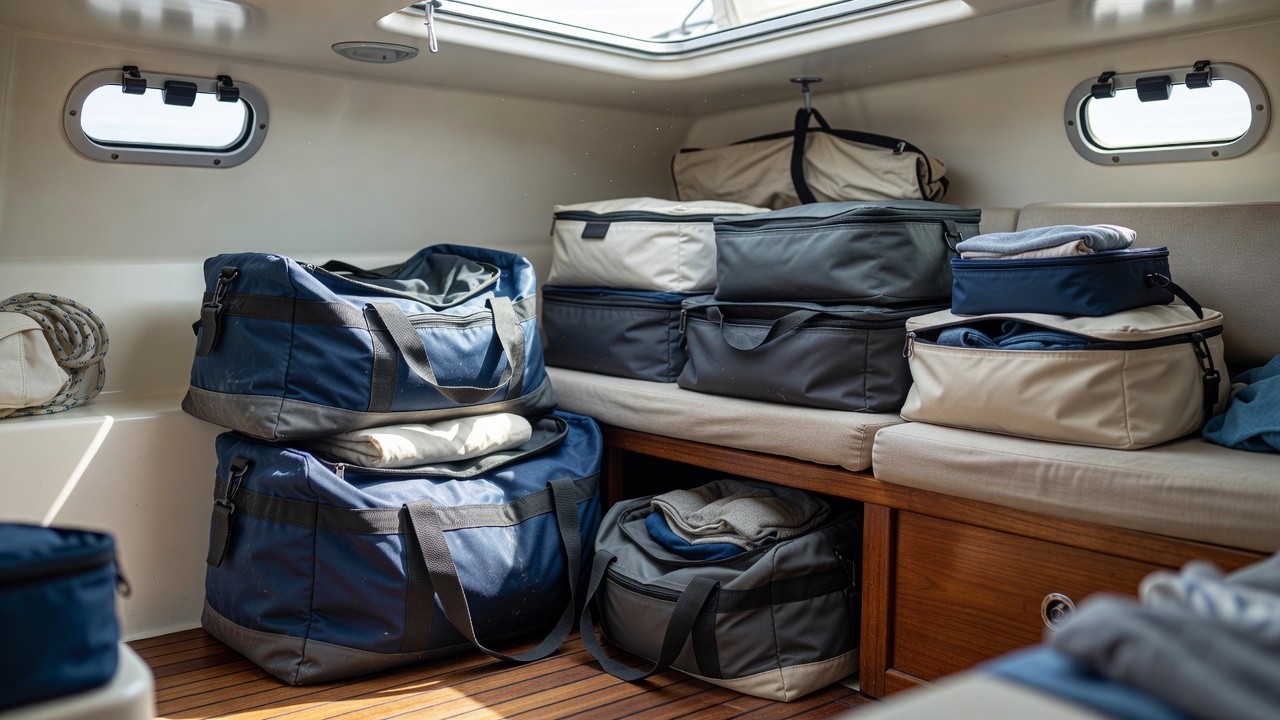
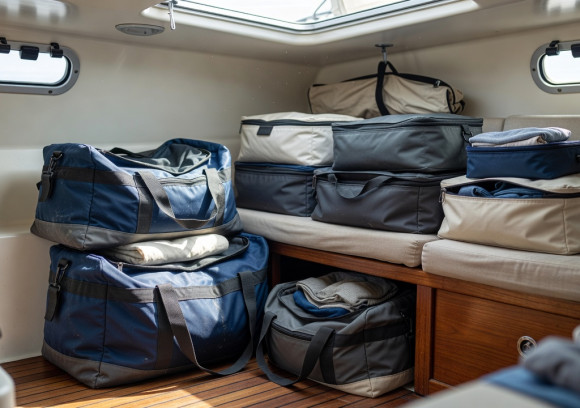
Space on a catamaran is thoughtfully designed yet limited compared to land-based travel. Hard suitcases often prove impractical because they cannot compress or bend into narrow cabin lockers. Opt instead for soft duffel bags or expandable packing cubes that slide easily under bunks and into overhead compartments.
Consider the weight and material of your bags as well. Lightweight nylon or canvas options resist salt spray and dry quickly after exposure to sea air. Many experienced charter guests pack everything into two medium duffels rather than one oversized case to maintain balance when moving between hulls.
Selecting the Right Footwear
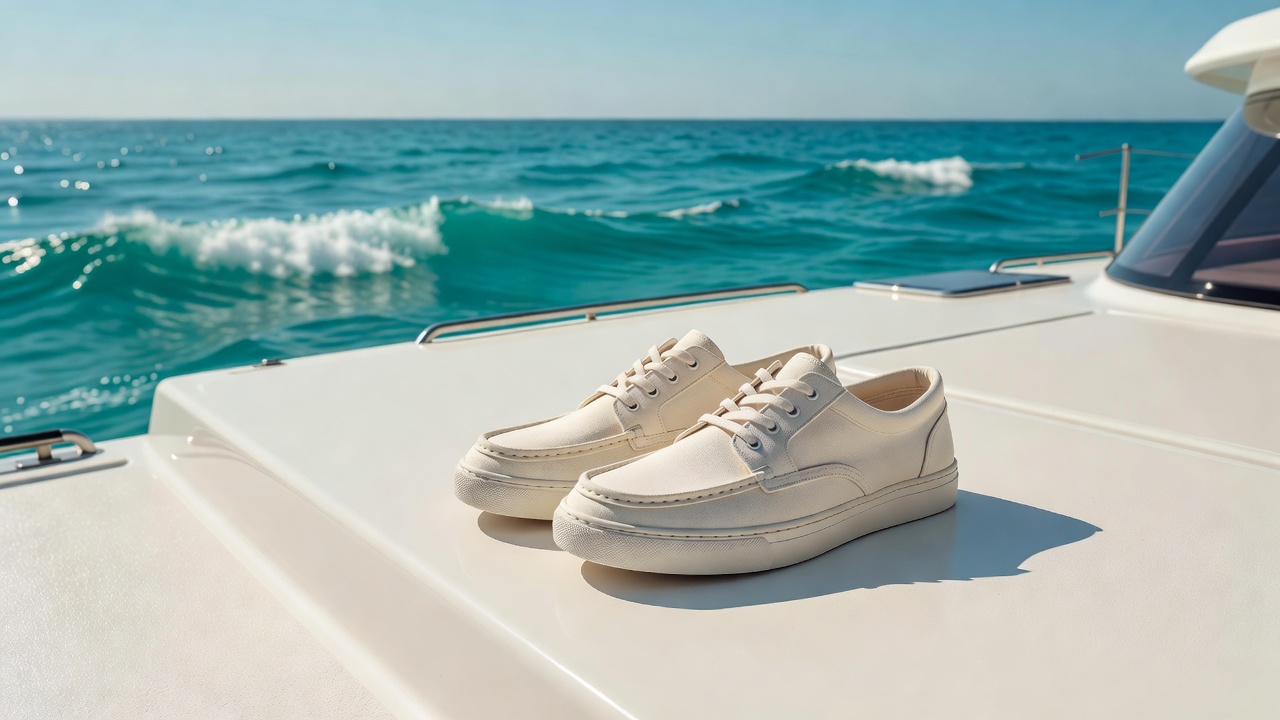
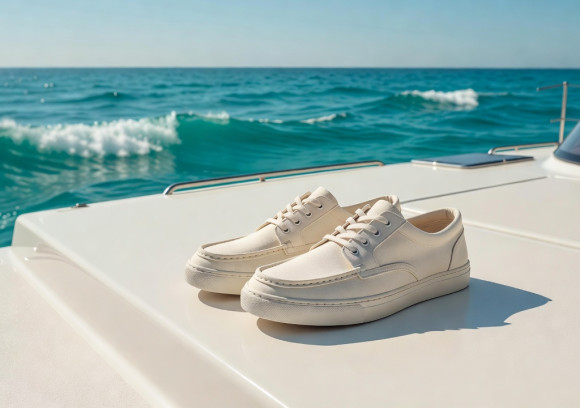
Deck surfaces demand shoes that grip without leaving marks. Non-marking deck shoes with soft rubber soles are essential for protecting the gelcoat and teak finishes found on most modern catamarans. Avoid street sneakers or sandals with hard edges that can scratch or stain.
Bring at least two pairs so one can dry while the other is in use. A pair of lightweight water shoes also proves useful for beach landings or tender rides. Store footwear in a mesh bag near the companionway to keep cabin floors clean and dry.
Clothing That Adapts to Marine Conditions
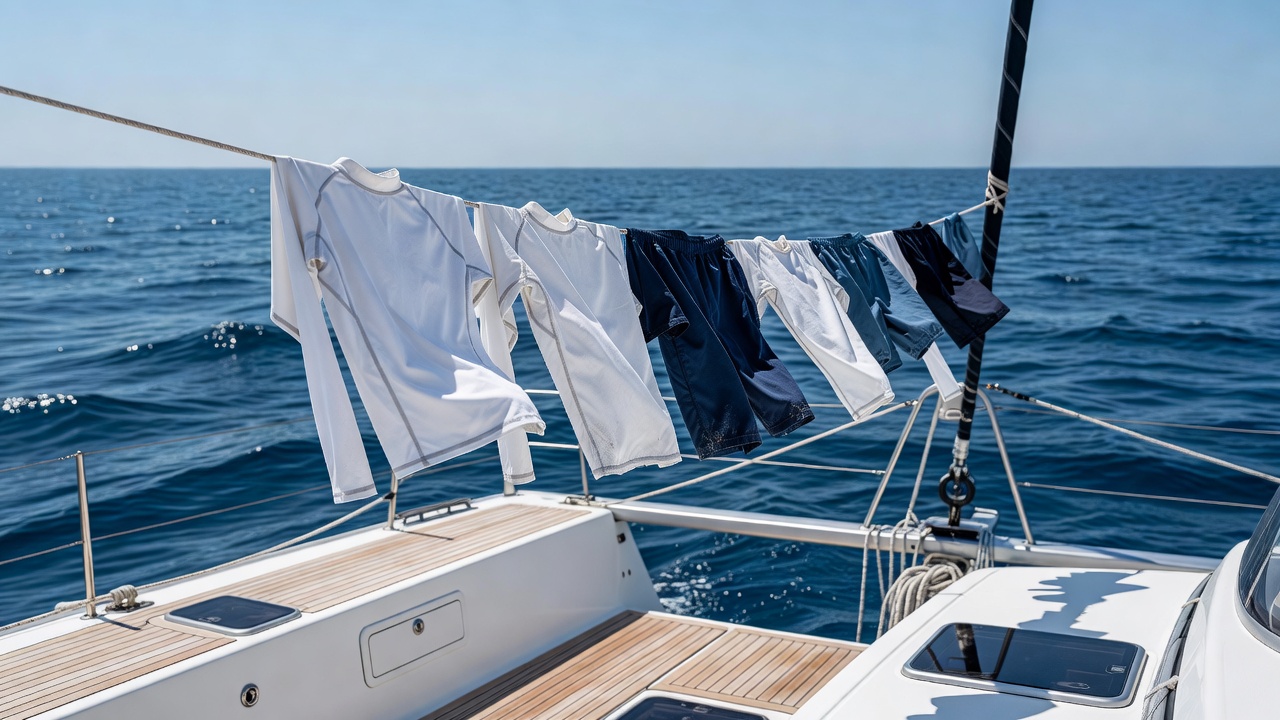
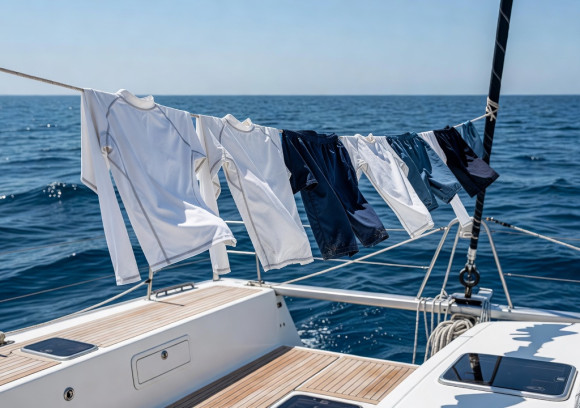
Layering remains the most practical approach for a week at sea. Pack moisture-wicking base layers, a lightweight fleece for cooler evenings, and a waterproof shell for sudden showers. Quick-dry fabrics reduce the need for frequent laundry while conserving fresh water.
Long-sleeve rash guards and wide-brim hats offer continuous sun protection during long sails. Include one or two nicer outfits for shore dinners, but keep the majority of items functional and compact. Neutral colors blend well with the boat environment and resist fading from intense sunlight.
Sun Protection That Respects the Reef
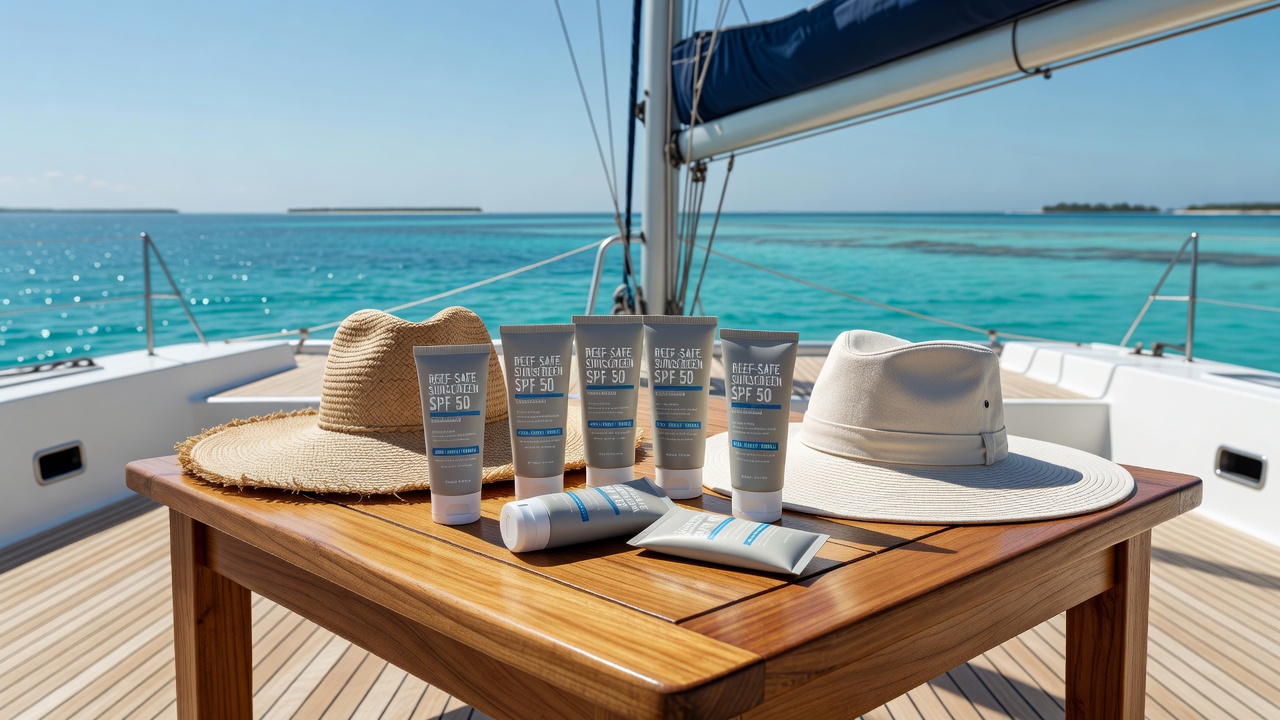
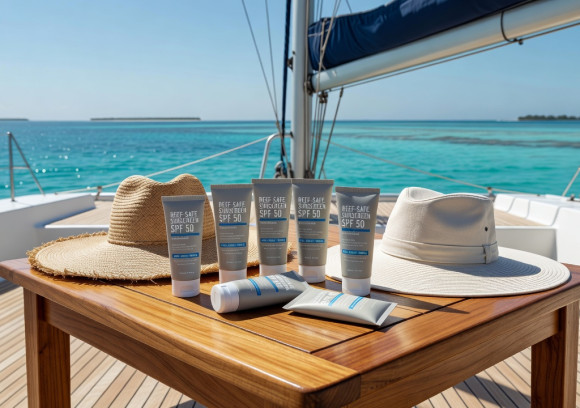
Traditional sunscreens containing oxybenzone and octinoxate can harm coral reefs even in small quantities. Choose mineral-based, reef-safe formulas that use zinc oxide or titanium dioxide instead. Apply generously before heading on deck and reapply after swimming or sweating.
Wide-brim hats and polarized sunglasses further reduce UV exposure while improving visibility on the water. Store sunscreen in a dedicated dry bag to prevent leaks onto clothing or electronics. Many charter companies now request guests use only reef-safe products as part of their environmental policy.
Personal Care and Daily Essentials
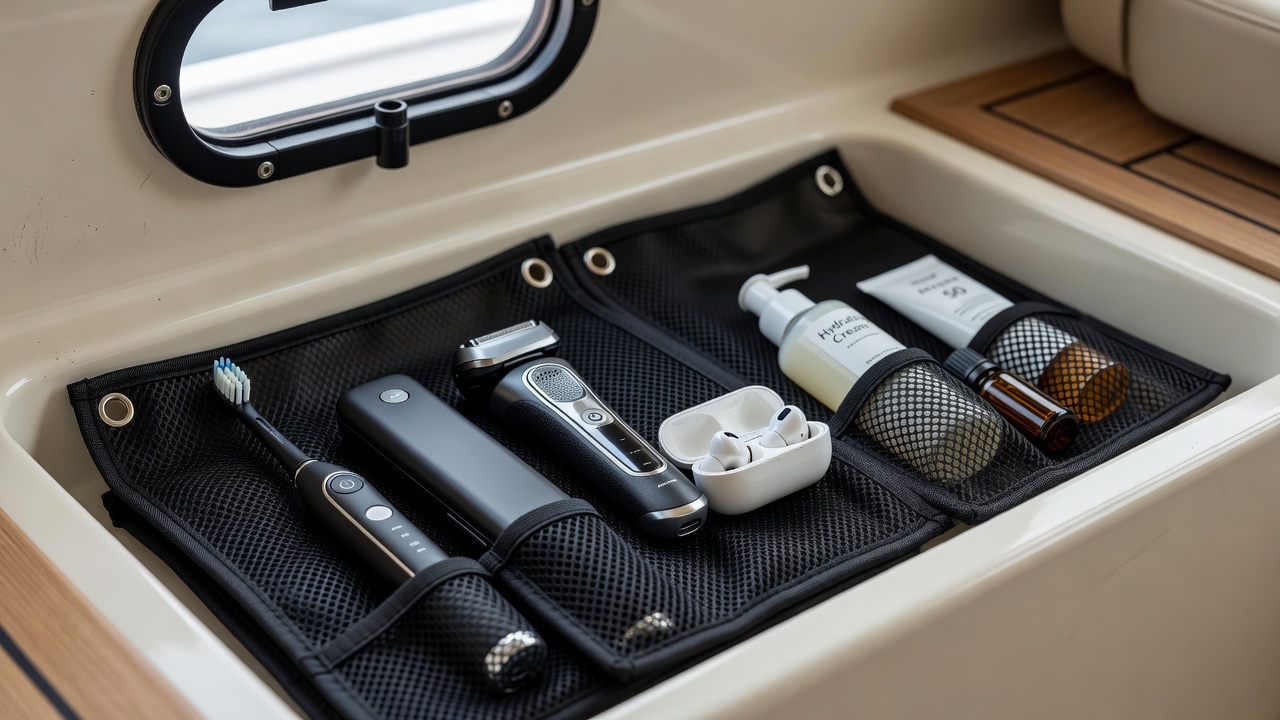
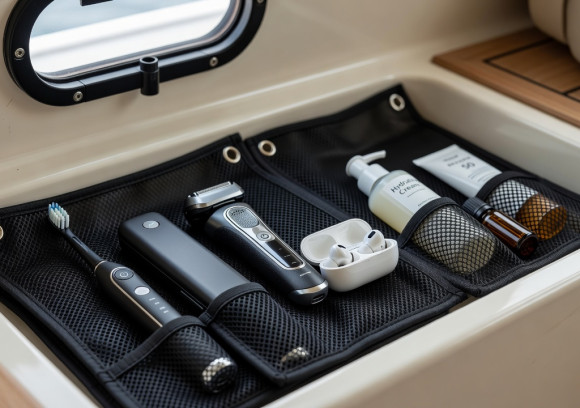
Travel-size toiletries in refillable silicone bottles save space and reduce plastic waste. Include biodegradable soap, shampoo, and a small first-aid kit with motion-sickness remedies. A quick-dry microfiber towel serves multiple purposes from showers to beach use.
Remember lip balm with SPF and a small container of aloe vera gel for any unexpected sunburn. Keep a separate pouch for feminine hygiene products and medications that must stay cool and dry.
Electronics and Navigation Aids
Modern catamarans provide USB charging points, yet power can be limited when running on batteries alone. Bring a portable solar charger and waterproof phone case for added security. Download offline navigation apps and weather services before departure.
Noise-cancelling headphones help during longer passages, while a waterproof action camera captures memorable moments. Pack all cables in a single organized pouch to avoid tangles in tight storage areas.
Final Packing Tips for a Smooth Charter
Review the specific catamaran layout with your charter company ahead of time. Confirm whether beach towels, snorkel gear, or fishing equipment are supplied. Create a digital packing list that can be checked off as items are stowed.
Once aboard, designate a single spot for frequently used items such as hats and sunglasses. This simple habit prevents lost gear and keeps the living spaces tidy throughout the week. With careful preparation, your 2026 catamaran adventure can focus entirely on enjoying the journey.


