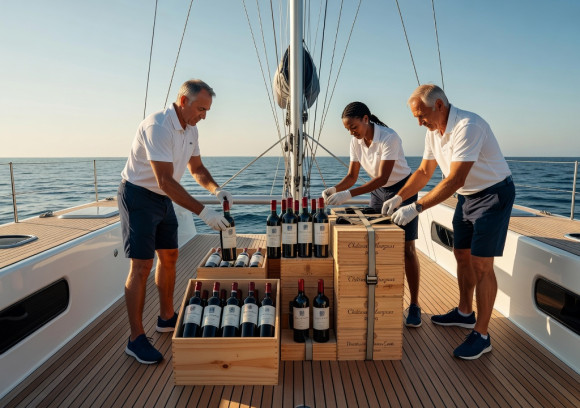
Floating Wine Cellars and Onboard Sommeliers
Preserving Excellence at Sea
Charter guests increasingly seek refined experiences that include exceptional wines. On modern catamarans, maintaining the integrity of rare vintages requires specialized knowledge and equipment. Master sommeliers adapt traditional cellar practices to the unique conditions of ocean travel.
Understanding Motion Challenges
Ocean crossings introduce constant movement that can disturb sediment in aged wines. Even gentle swells may cause particles to shift if racks lack proper stabilization. Sommeliers therefore prioritize systems designed specifically for marine environments.
Gyroscopic Rack Technology
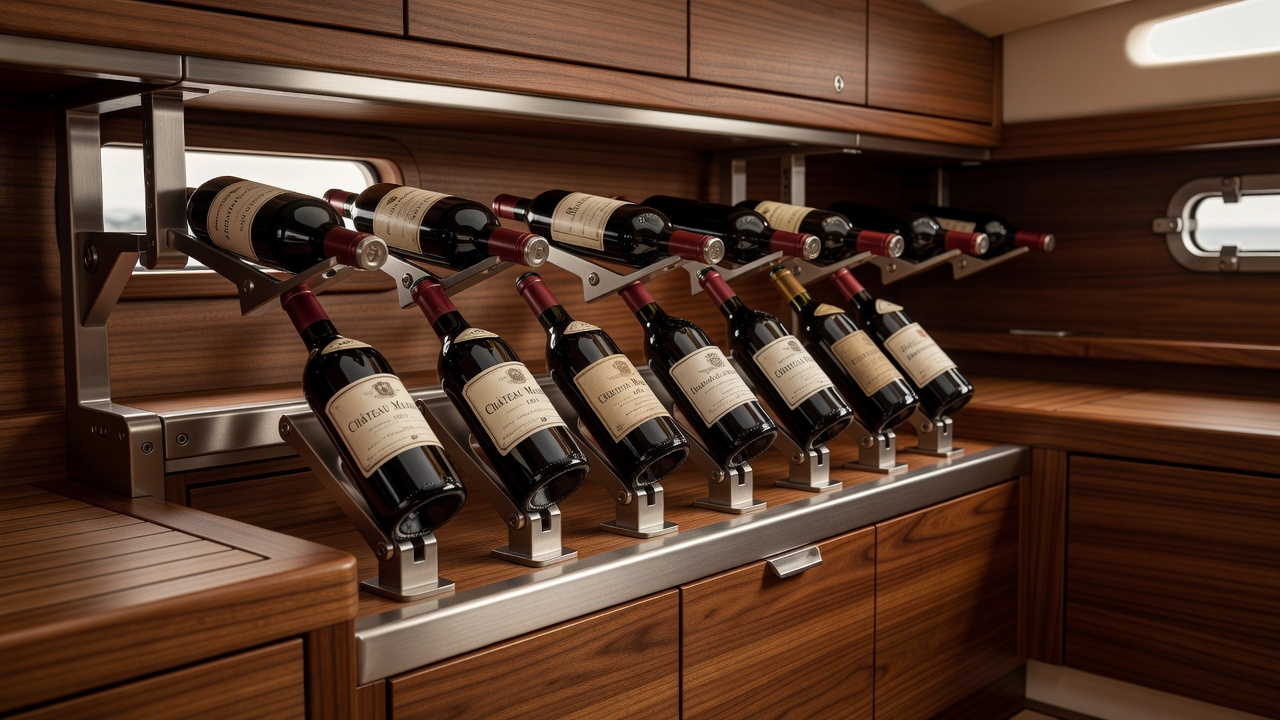
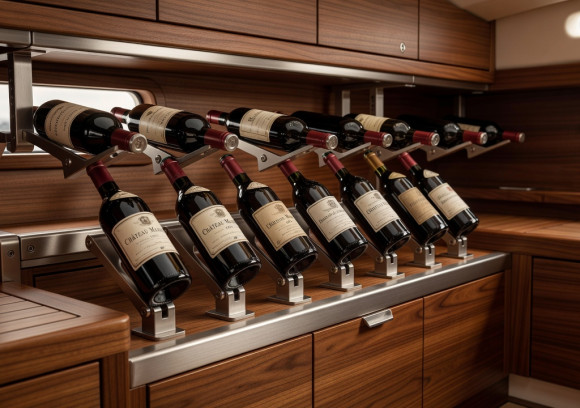
Custom gyroscopic wine racks represent a key innovation for yacht cellars. These mechanisms use balanced gimbals to keep bottles level regardless of hull motion. The result protects delicate sediments while allowing natural aging to continue uninterrupted.
Engineers calibrate each rack to the vessel's dimensions and typical sailing routes. Materials resist corrosion from salt air while providing secure cradles for individual bottles. Guests benefit from wines that taste as intended upon arrival at each destination.
Temperature and Humidity Control
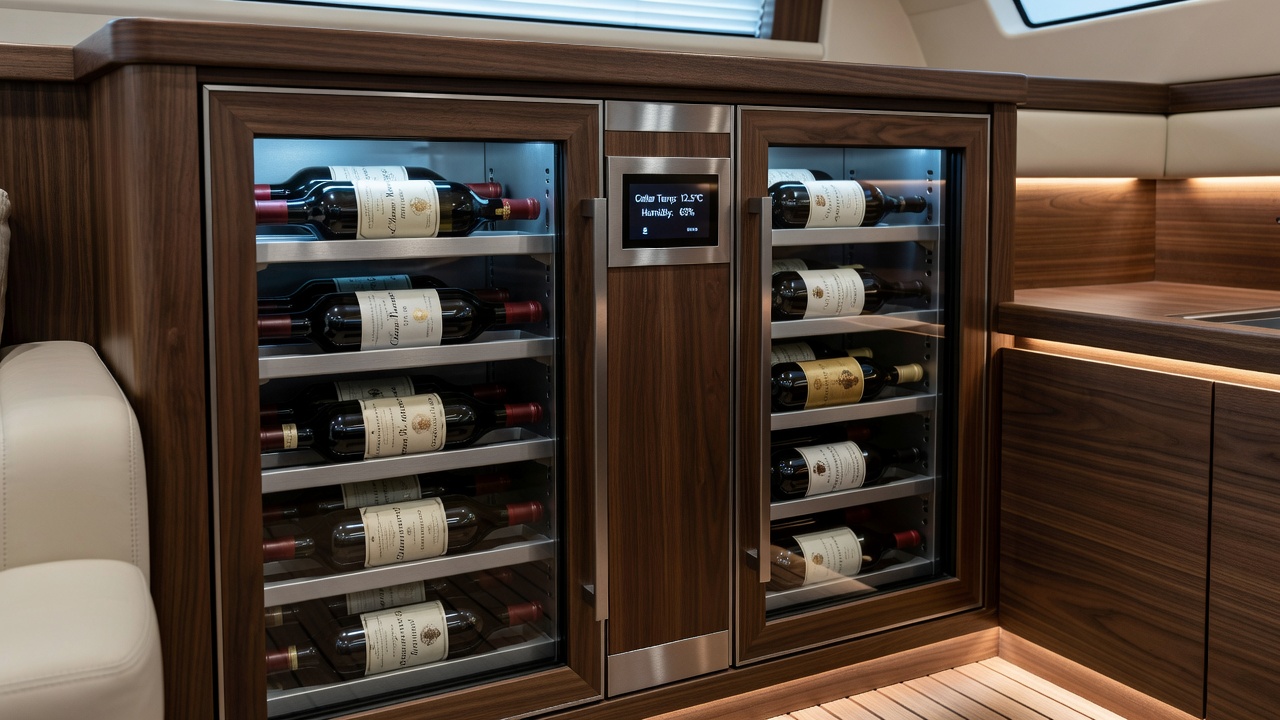
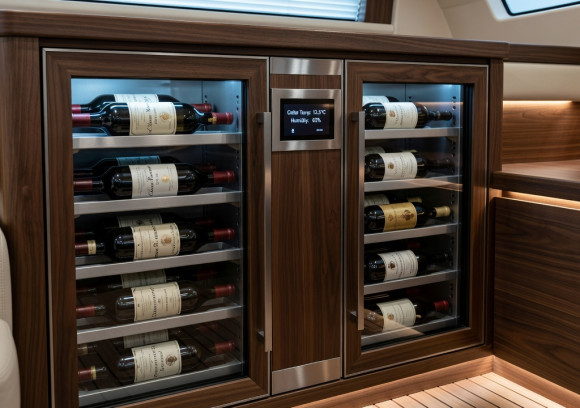
Beyond stabilization, precise climate management remains essential. Yacht cellars employ advanced HVAC units that maintain consistent conditions even when exterior temperatures fluctuate. Humidity levels stay within narrow ranges to preserve cork integrity over weeks at sea.
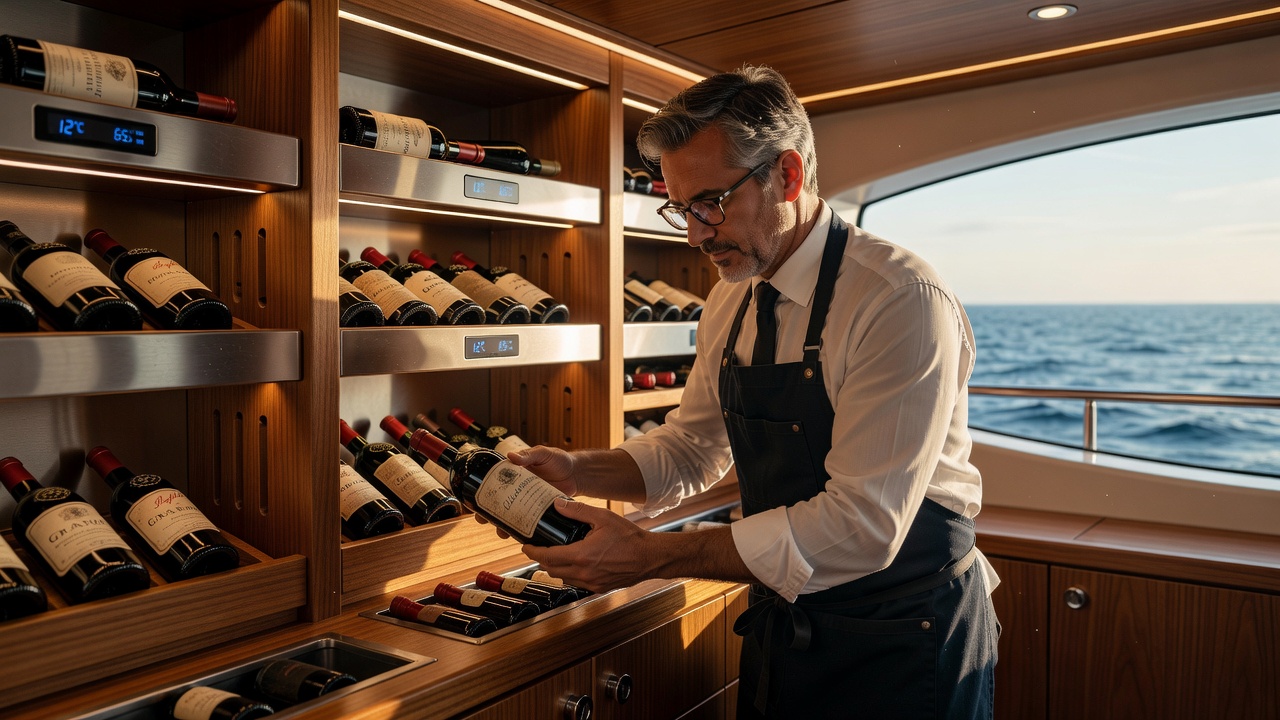
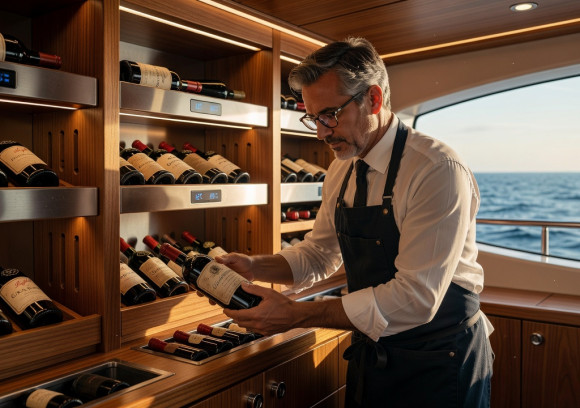
Sommeliers monitor these systems daily through integrated sensors. Alerts notify the team of any deviation before it affects the collection. This proactive approach safeguards investments in rare vintages.
Selecting and Storing Vintages
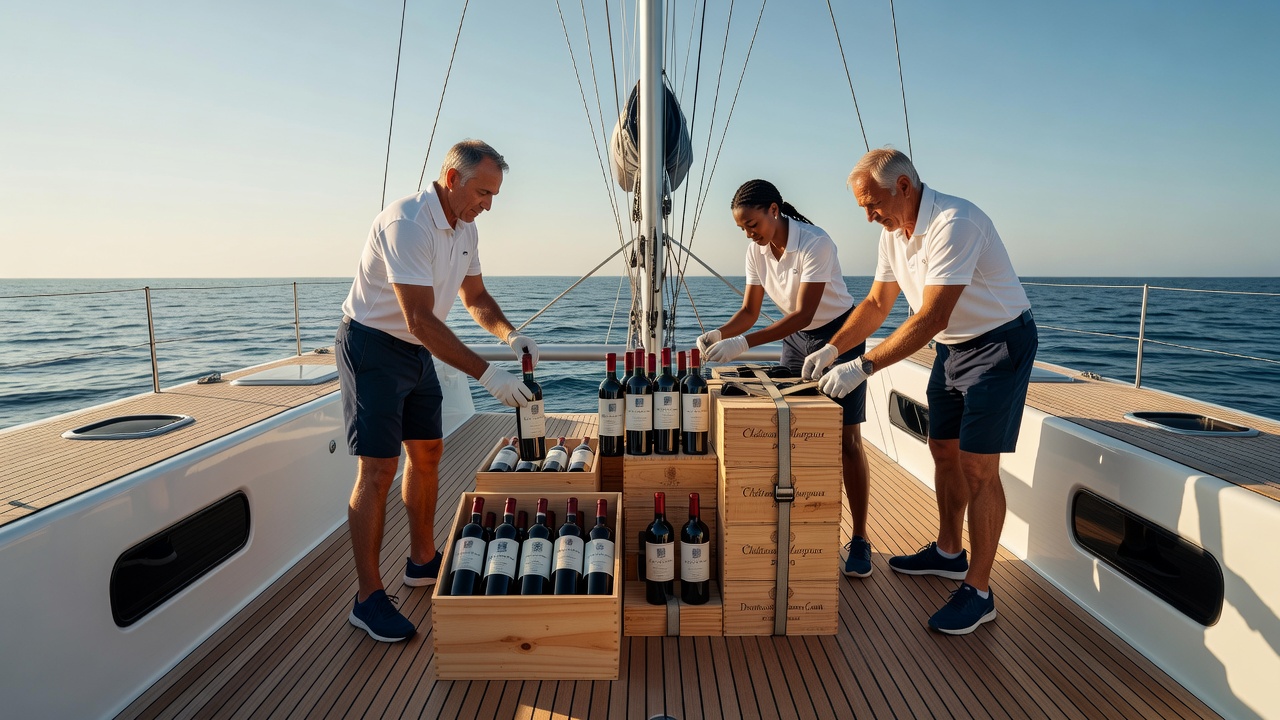
Curating a yacht wine list involves more than personal preference. Sommeliers evaluate each bottle for resilience during travel and compatibility with onboard menus. They favor structured reds and crisp whites that evolve gracefully under controlled conditions.
- Vertical tastings of single estates across multiple years
- Champagnes stored horizontally to maintain pressure
- Fortified wines positioned for easy access during rough passages
Inventory tracking uses digital logs updated in real time. This ensures accurate records of consumption and remaining stock throughout extended charters.
Service Rituals on Deck
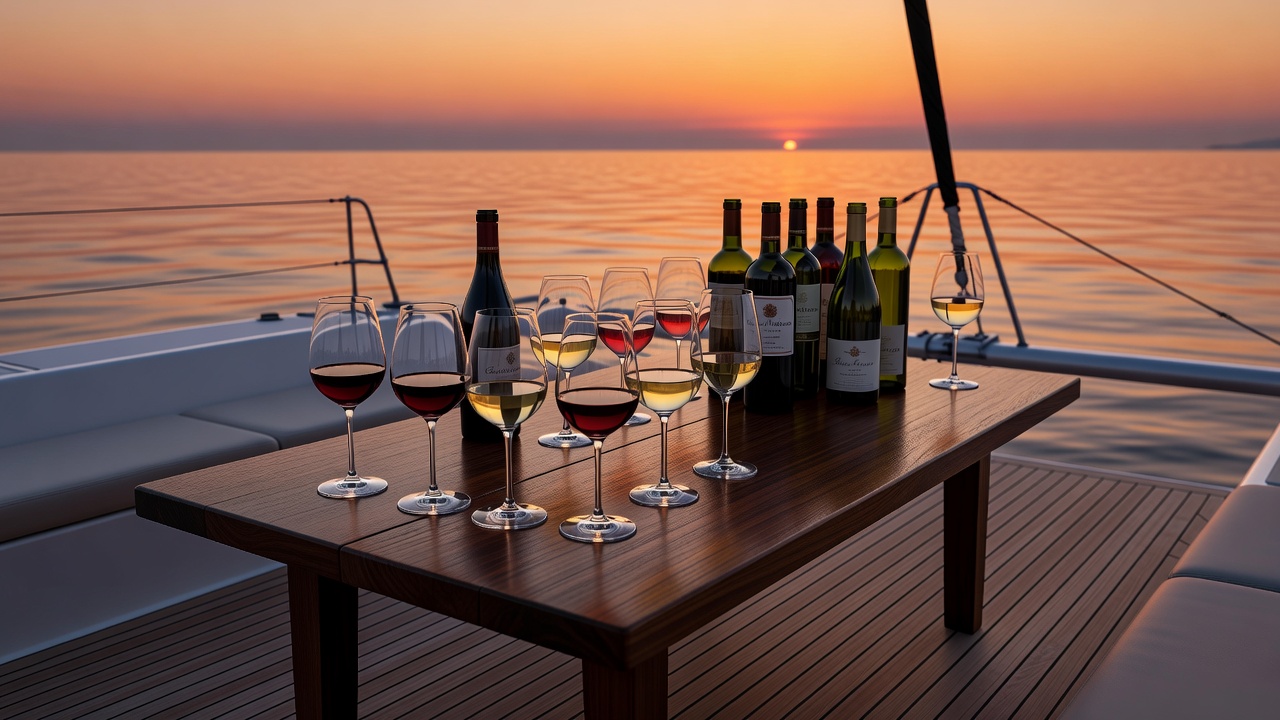
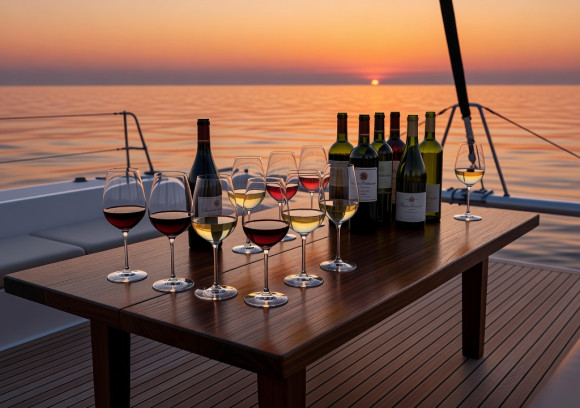
Presenting wines becomes a highlight of the charter experience. Sommeliers decant bottles using specialized marine cradles that minimize disturbance. Guests enjoy guided tastings that highlight both the wine and the journey.
Pairings often incorporate local ingredients sourced at ports of call. The combination creates memorable moments that blend culinary discovery with the serenity of the sea.
Training the Onboard Team
Successful wine programs depend on continuous education. Crew members learn basic handling protocols while sommeliers oversee complex decisions. Regular drills prepare everyone for scenarios involving unexpected weather or extended passages.
Knowledge sharing extends to guests who express interest. Informal sessions cover topics from grape varieties to proper glassware selection, enhancing appreciation without overwhelming participants.
Future Developments in Marine Wine Care
Emerging technologies promise further refinements. Automated monitoring combined with AI predictions may soon anticipate environmental changes before they occur. These advances will allow even longer voyages while preserving the highest standards of wine quality.
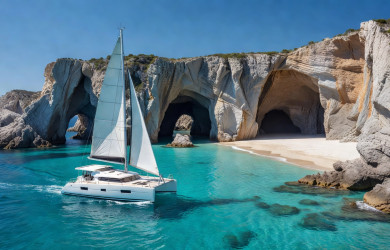
Catamaran charters continue to evolve as floating showcases for fine living. With expert sommeliers and purpose-built equipment, rare vintages travel safely and arrive ready to delight discerning palates.