

Sustainable Seas: Eco-Friendly Brands Leading the Maritime Fashion Charge
Embracing Responsible Choices at Sea
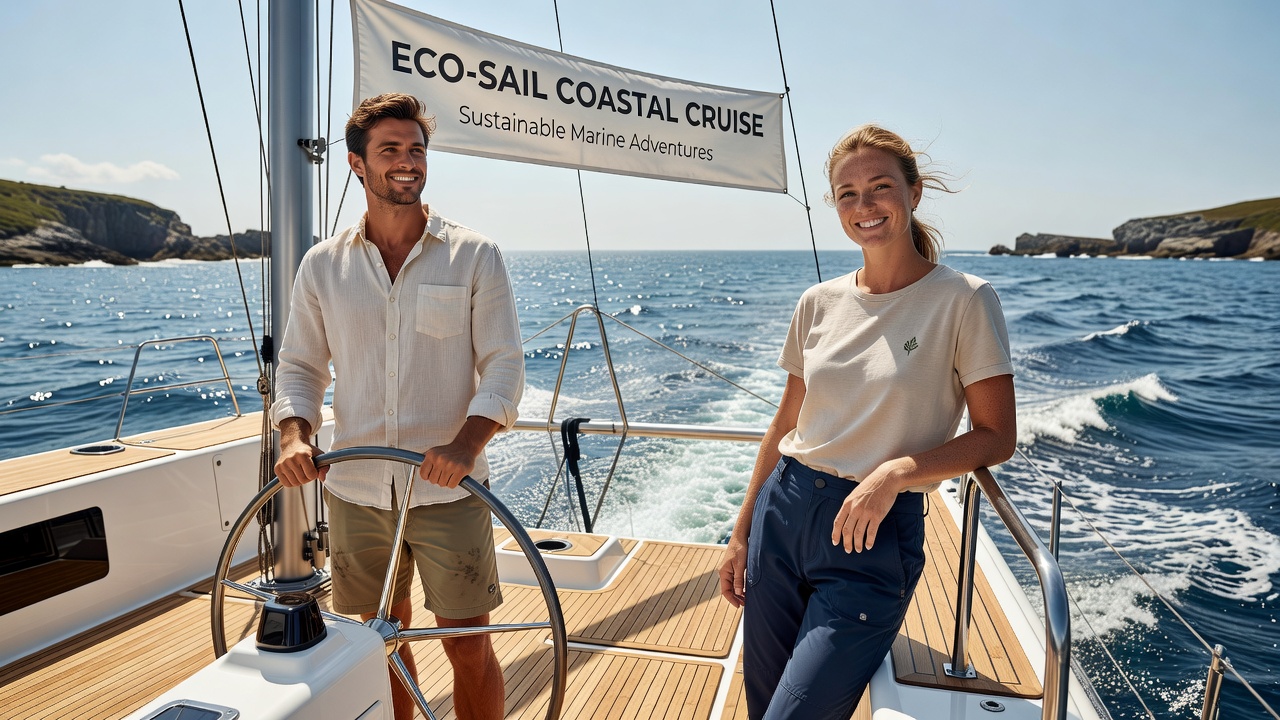
Charter guests today look for more than comfort and style when selecting their wardrobe for a voyage. They seek garments that reflect care for the marine environment. Sustainable apparel brands now offer practical solutions that fit seamlessly into life aboard a yacht or catamaran.
These brands focus on materials derived from recovered ocean plastics and production methods that reduce waste. The result is clothing that performs well in salt air while supporting ocean health. Clients appreciate the alignment between their personal values and the brands they wear during extended trips.
Materials Sourced from the Ocean
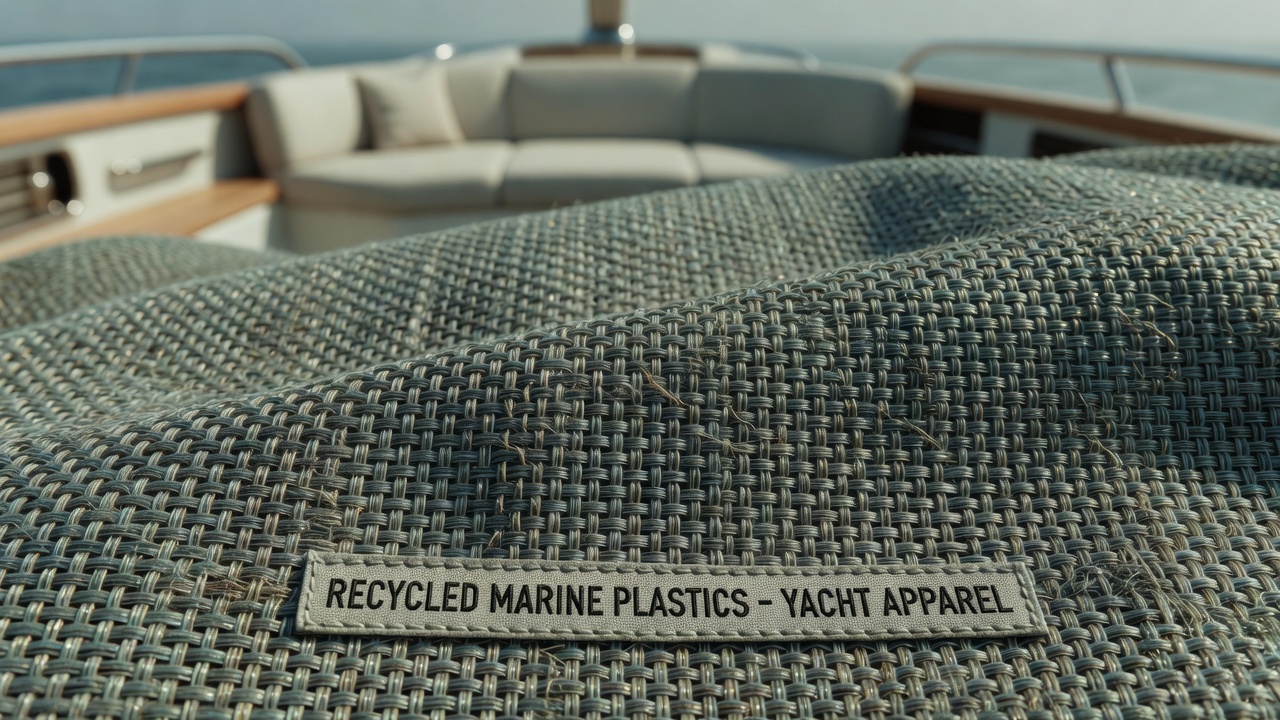
Recycled ocean plastics form the basis of many performance fabrics used in maritime apparel. Fishing nets and plastic bottles collected from coastal areas are transformed into durable yarns. These yarns create jackets, shirts, and pants that resist fading from sun exposure and hold up to frequent washing.
Brands emphasize traceability so buyers know the origin of each fiber. This transparency builds trust among charter clients who want clear information about their purchases. The fabrics also offer breathability and quick drying, essential qualities when moving between sun decks and shaded areas.
Manufacturing with Lower Impact
Production facilities for these brands often operate with renewable energy and closed-loop water systems. Dyeing processes avoid harmful chemicals that could eventually reach waterways. Workers receive fair wages and safe conditions, adding another layer of responsibility to the supply chain.
Packaging uses minimal plastic and incorporates recycled paper or cardboard. This attention to detail extends the sustainability story from factory to the charter guest’s suitcase. The overall approach reduces the footprint of each garment without sacrificing quality or comfort.
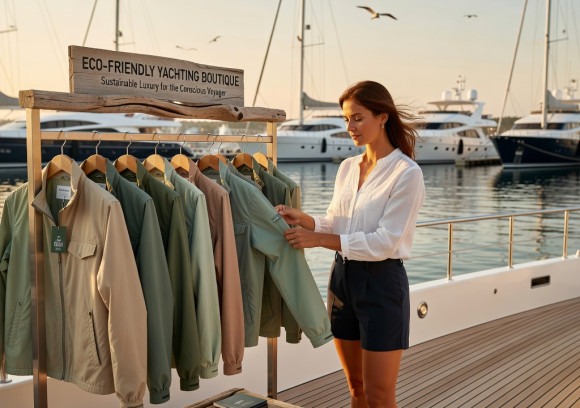
Brands Setting New Standards
Several companies stand out for their consistent use of ocean-recovered materials. One focuses on outerwear designed specifically for variable sea conditions. Another specializes in base layers and accessories made entirely from post-consumer plastics.
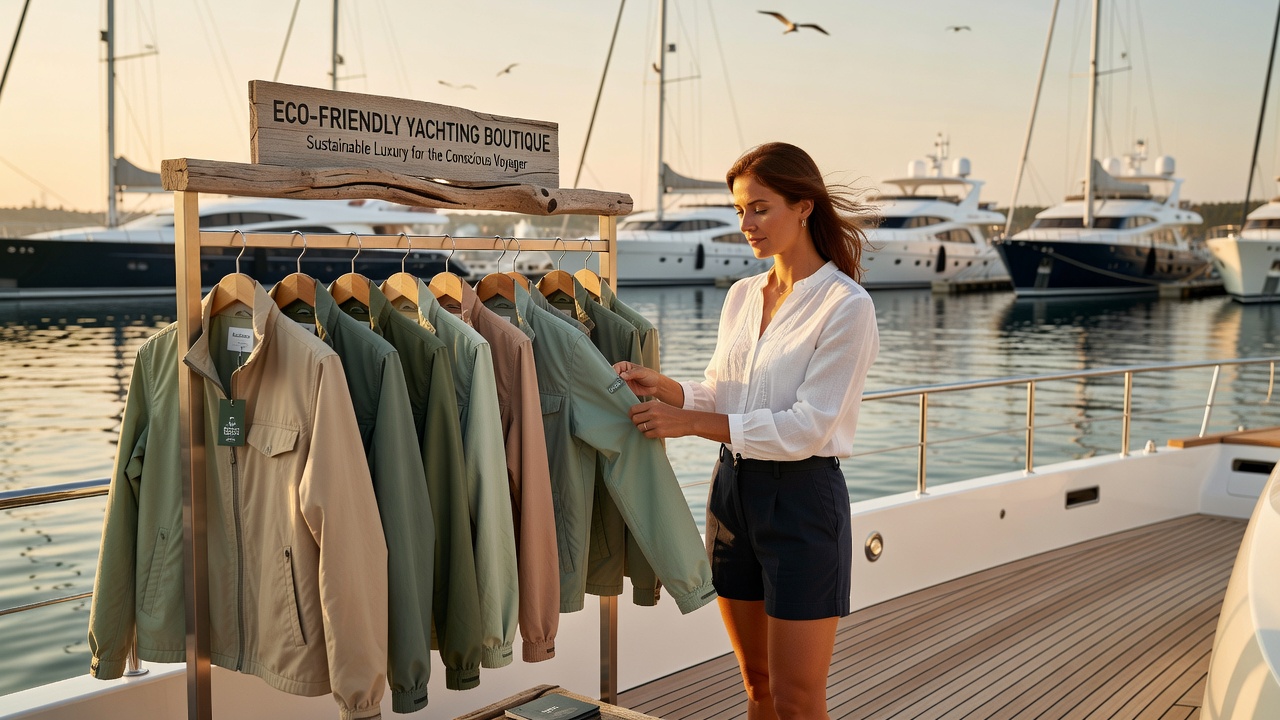
- Performance jackets with reinforced seams for wind protection
- Lightweight shirts that pack small for long voyages
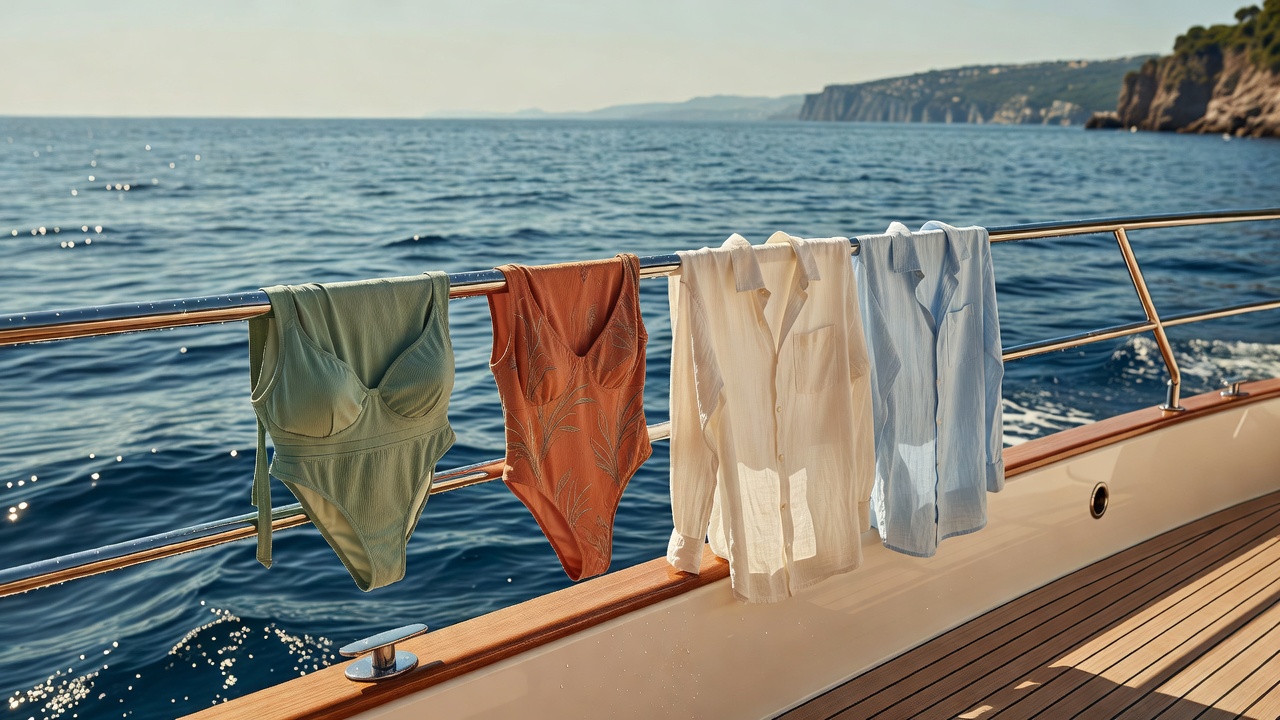
- Swimwear constructed from recovered fishing nets
- Hats and caps featuring UV protection and recycled content
These items transition easily from active sailing to relaxed evenings in the harbor. Charter clients value the versatility when space in cabins is limited.
Practical Benefits for Charter Guests
Clothing made with sustainable processes tends to last longer under harsh marine conditions. Reduced need for replacements means less waste over time. Guests also enjoy knowing their apparel choices contribute to ongoing ocean cleanup efforts.
Many brands partner with marine conservation groups, directing a portion of sales toward habitat restoration projects. This connection resonates with travelers who spend significant time on the water and witness environmental changes firsthand.
Integrating Style with Sustainability
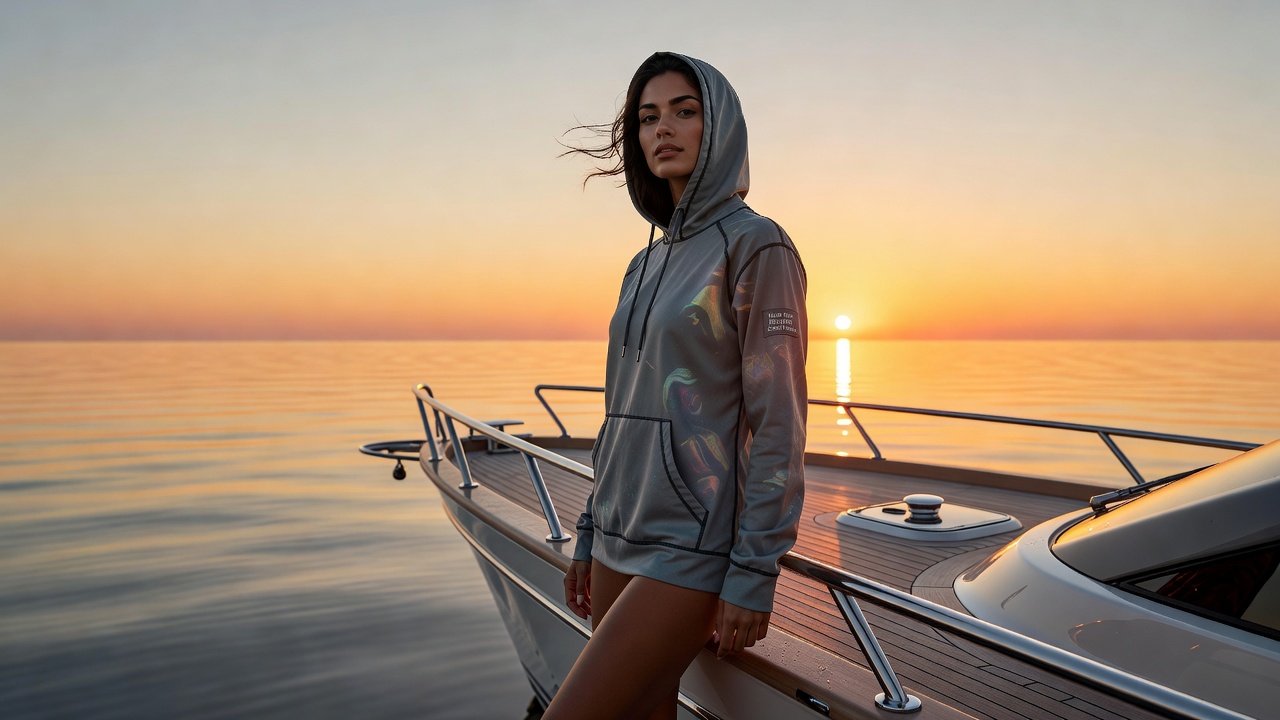
Designers balance function and aesthetics so the clothing looks appropriate in both casual and semi-formal charter settings. Neutral colors inspired by sea and sky allow easy mixing and matching. Subtle branding avoids loud logos that may not suit every client’s preference.
Accessories such as belts and bags complete the wardrobe using the same recycled materials. The cohesive look supports a polished appearance without requiring multiple separate purchases. Guests can maintain a consistent style throughout their trip.
Looking Ahead to Future Developments
Research continues into new fibers and improved recycling techniques that will expand options for maritime apparel. Brands are exploring bio-based alternatives that complement existing recycled plastic lines. Charter operators may soon offer curated sustainable wardrobes as part of premium packages.
As awareness grows, more clients will prioritize these choices when planning voyages. The shift supports both individual comfort and collective responsibility toward the seas that make yachting possible.