The Wild East: Navigating the Dramatic Caves of Cala Luna, Sardinia
Setting Course for Sardinia's Wild East
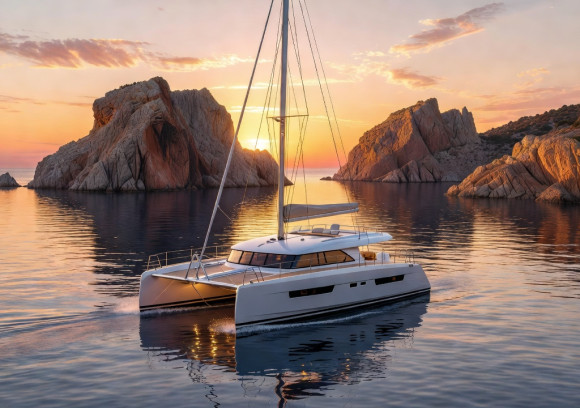
The eastern coastline of Sardinia holds a different rhythm from the polished marinas of the north. Here the Gulf of Orosei stretches in quiet isolation, its limestone cliffs rising straight from the sea. A catamaran charter lets you move at your own pace, dropping anchor where larger vessels cannot reach.
First Views of the Gulf of Orosei
After leaving the busy anchorages behind, the landscape changes quickly. Towering cliffs replace gentle hills. The water turns deeper shades of blue and green. Early morning departures reveal the coast in soft light, with cave openings appearing as dark arches against pale rock.
Navigation here rewards patience. Charts show the entrances clearly, yet local knowledge helps with shifting winds and hidden shallows. A twin-hull vessel offers stability when the breeze picks up along the exposed shoreline.
Approaching Cala Luna
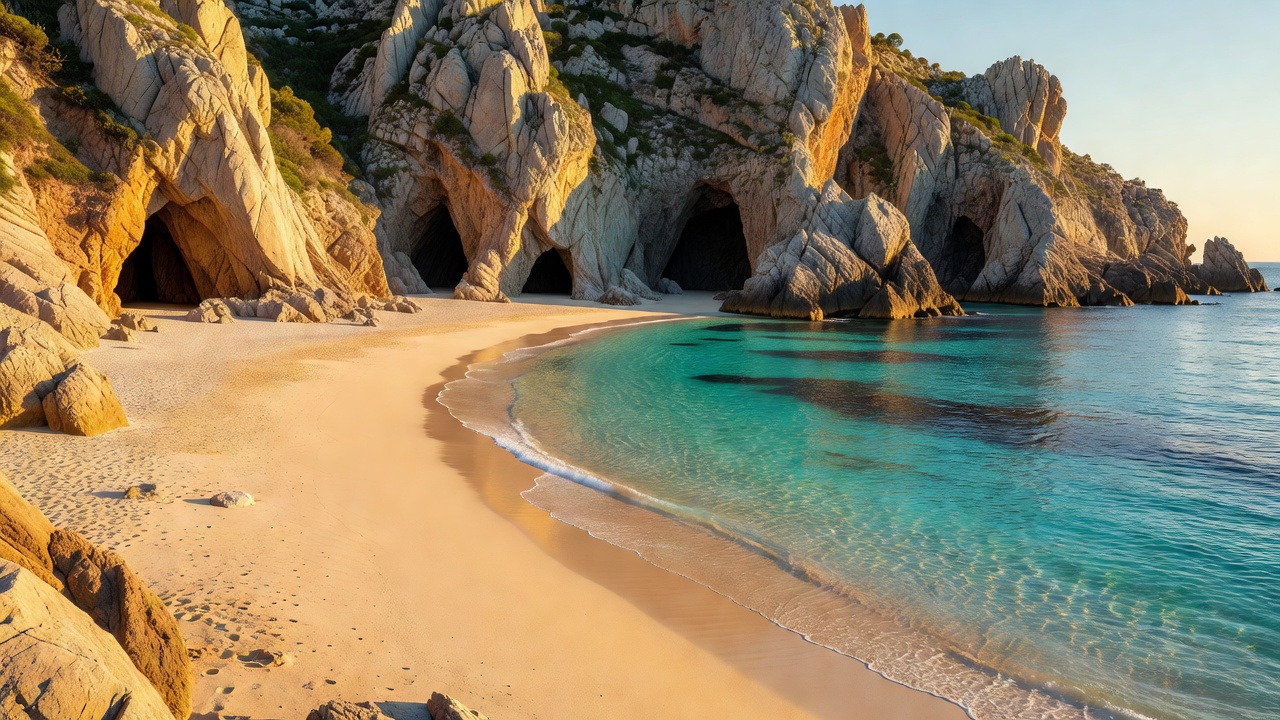
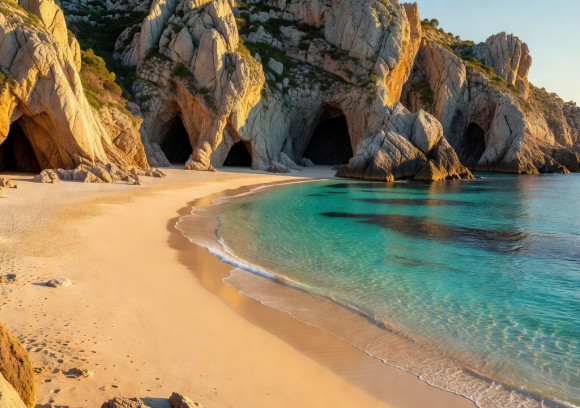
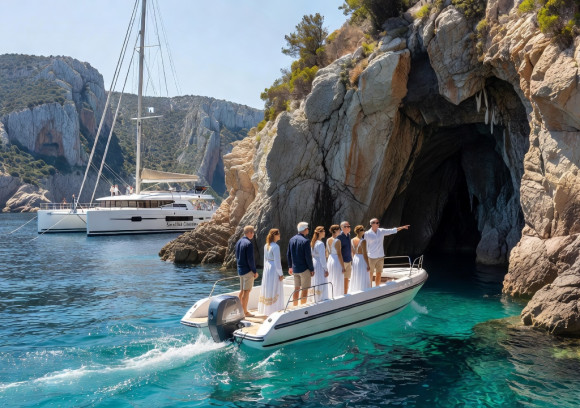
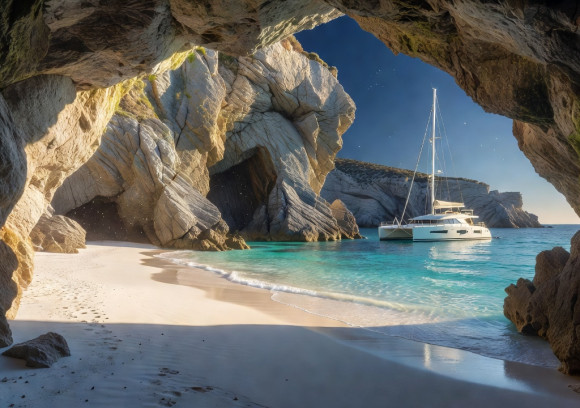
Cala Luna sits at the end of a narrow valley. The beach curves in a perfect crescent, framed by two massive cave systems. One opens directly onto the sand while the other requires a short swim or tender ride. Both reward visitors with cool interiors and echoing chambers.
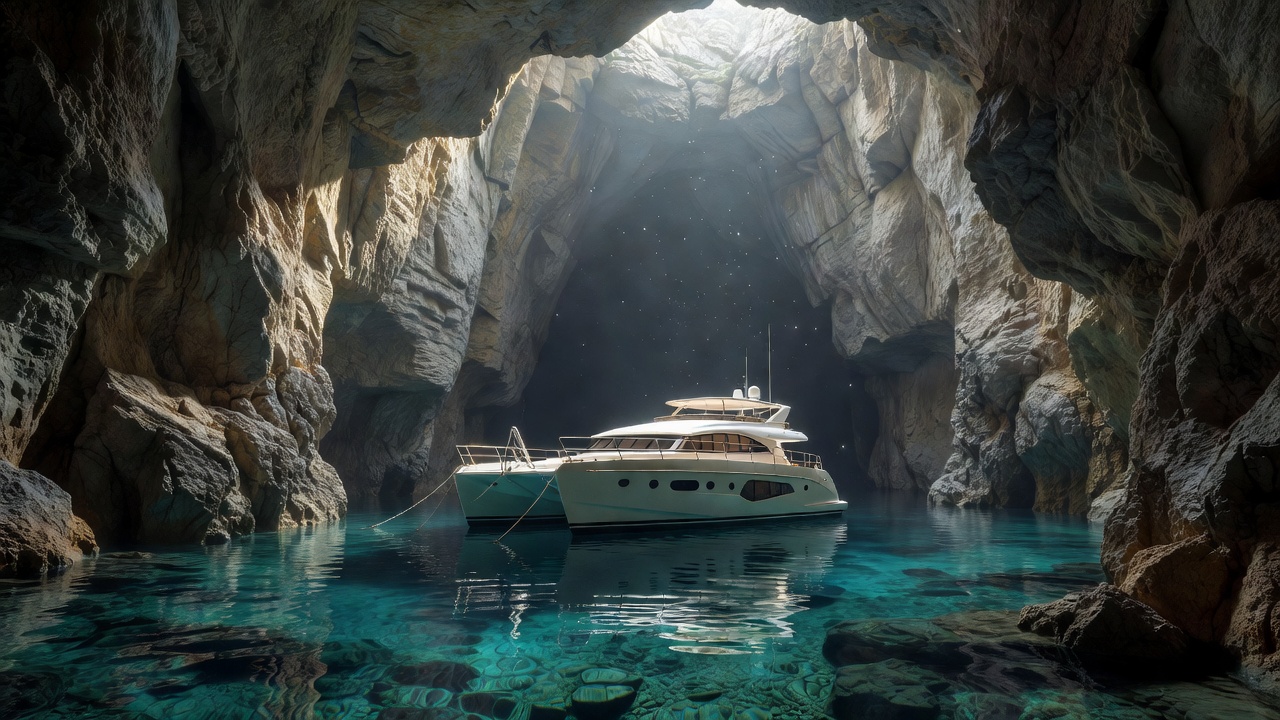
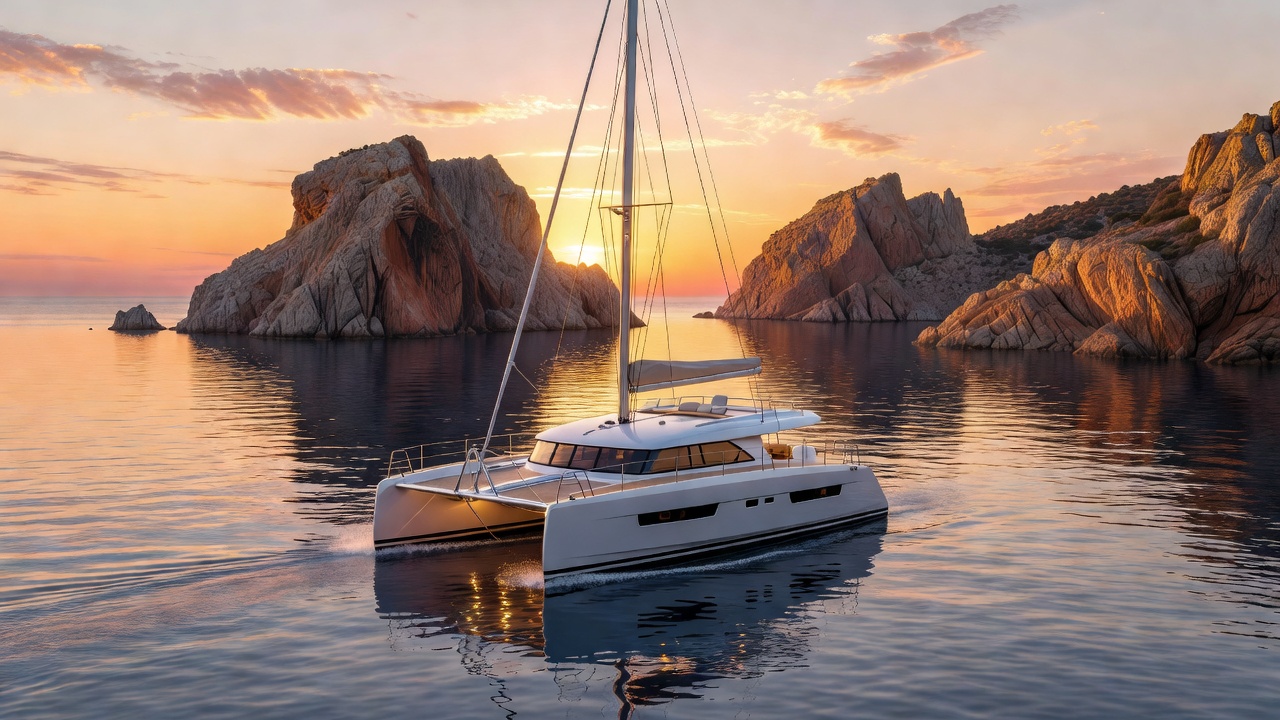
Catamarans anchor safely outside the surf line. From the deck the scale of the cliffs becomes clear. The caves were carved over centuries by winter storms and constant wave action.
Inside the Cathedral Caves
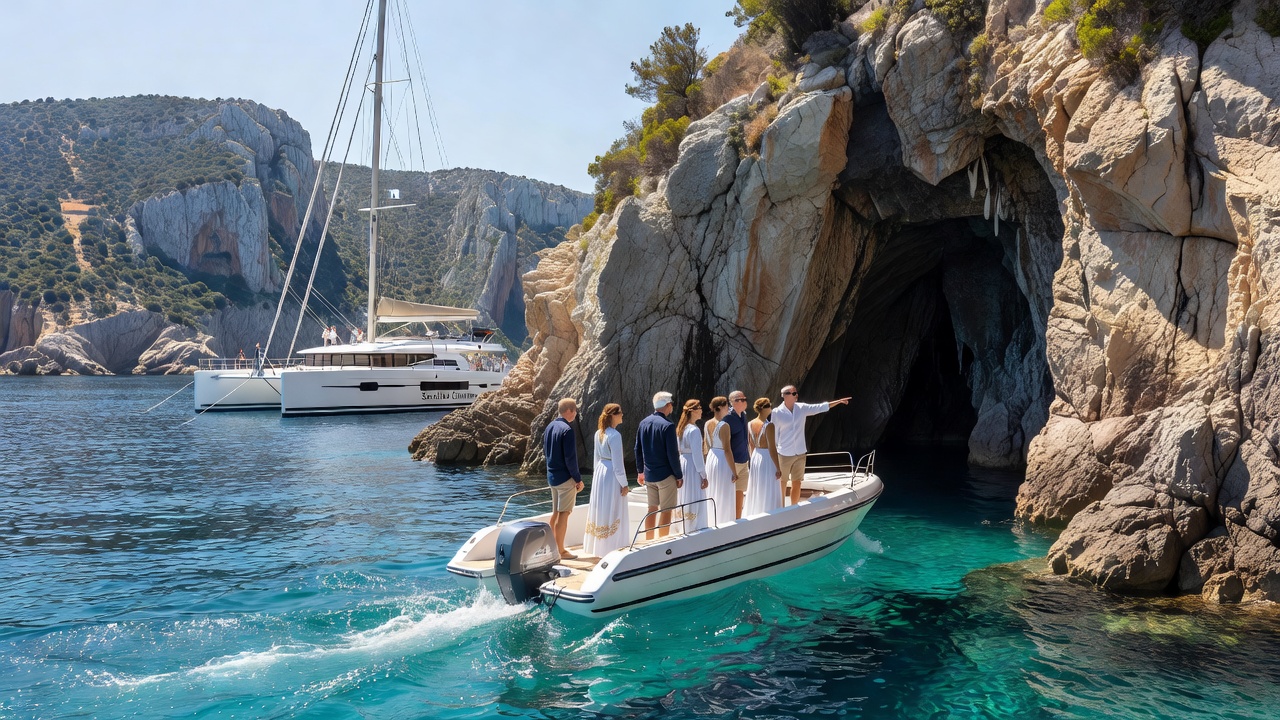
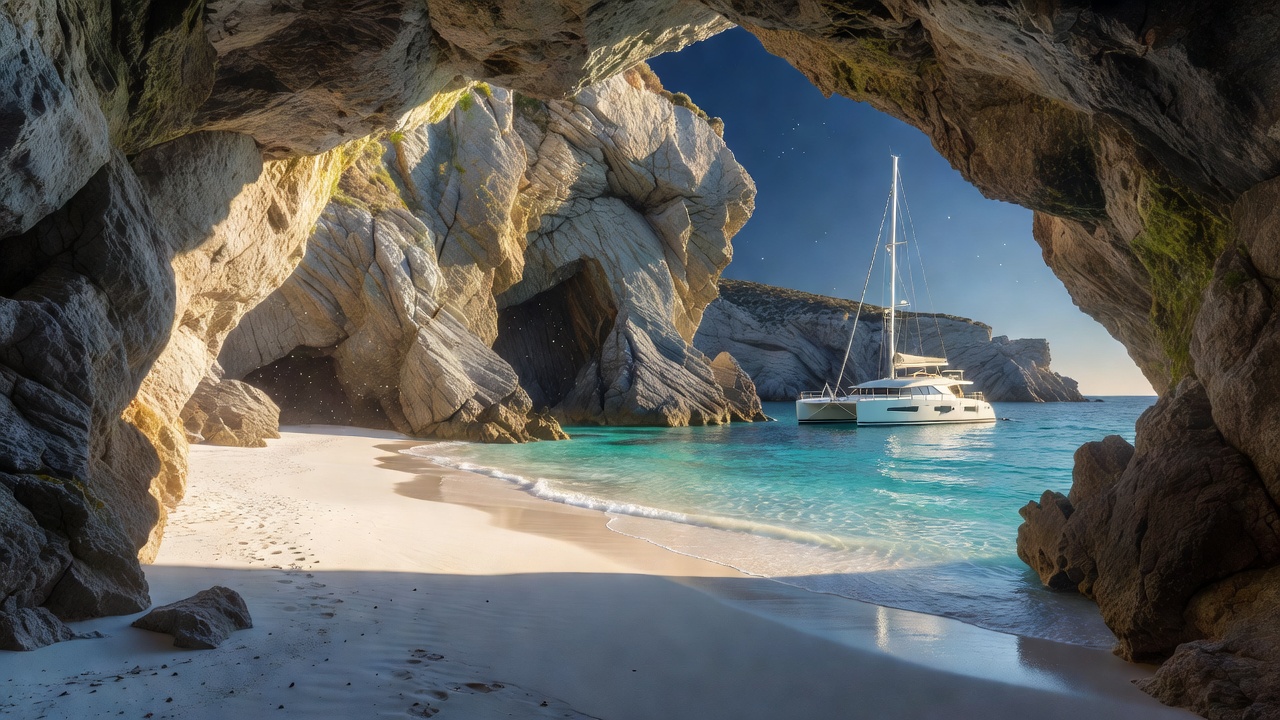
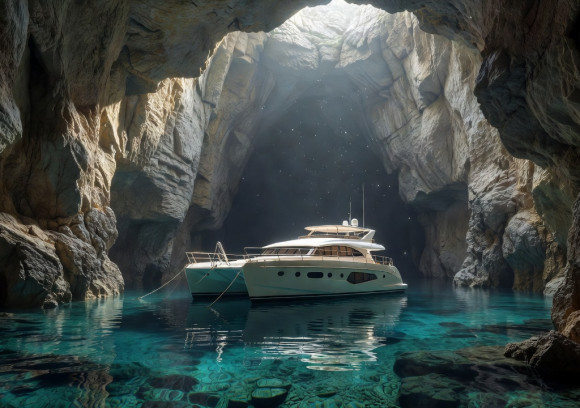
Step inside and the temperature drops. Light reflects off the water onto the vaulted ceilings. Some chambers stretch high enough for small boats to enter at low tide. Photographers often wait for the midday sun to illuminate the interior walls.
Sound travels differently here. Voices carry across the water and return as soft echoes. The experience feels removed from the usual Mediterranean bustle.
Practical Charter Considerations
Most week-long charters begin from ports such as Arbatax or Cala Gonone. Fuel planning matters because the nearest reliable marina lies hours away. Water makers on modern catamarans reduce the need for frequent stops.
- Check tide tables before entering shallow cave mouths.
- Carry extra fenders for rocky shorelines.
- Pack snorkel gear for the clear waters near the entrances.
Wildlife Along the Coast
Dolphins sometimes follow the hulls in the morning. Griffon vultures circle the higher cliffs. Underwater, the caves shelter schools of small fish that dart between the rock walls. Evening brings the sound of goats on the slopes above the beach.
These encounters remain unscripted. The absence of large crowds preserves the natural behavior of the local species.
Best Windows for 2026
Late spring and early autumn offer the steadiest conditions. June brings longer days and warmer water without the peak-season crowds. September often delivers clear skies and lighter winds ideal for relaxed sailing.
Advance bookings for catamarans increase each year. Planning six months ahead secures better vessels and preferred dates.
Leaving a Light Footprint
Respect for the environment keeps these sites pristine. Anchoring on sand rather than seagrass protects the seabed. Removing all waste prevents pollution inside the caves. Local operators provide guidance on permitted zones.
Many crews now use electric tenders for short trips to shore, reducing engine noise in the enclosed spaces.
The Gulf of Orosei rewards those who travel slowly and observe closely. A catamaran charter turns the journey into the destination itself.